
If you’re a motorsport lover who spends weekends at the track, your race suit is more than just clothing—it’s your shield. Whether you’re driving a Formula car or a weekend track beast, your safety gear deserves the same attention as your car’s tires or brakes. So, how often should you replace your car race suit? Let’s dig in with a friendly and practical breakdown from MotoSpeeds—your trusted name in performance and protection.
Understanding Why Race Suit Lifespan Matters
Your race suit’s main job is to protect you from fire, friction, and extreme heat. Over time, these protective layers wear out. Think of it like your favorite pair of jeans—comfortable, but after too many washes, they lose their strength. The same happens with racing suits, only here, the stakes are higher.
At MotoSpeeds, we often tell racers that the “life” of a suit depends on how often and how hard you race. Weekend hobbyist? You might get 4–5 years. Professional racer? Expect around 2–3 years before it needs replacement.
How to Tell When It’s Time for a New Suit
Here are some signs your current suit may be waving a checkered flag:
Visible Wear and Tear:
Look for faded patches, frayed seams, or thinning fabric. Once the outer layer starts showing wear, it’s no longer offering full protection.Loose Stitching or Broken Zippers:
These aren’t just cosmetic issues. Weak seams can split during a crash, and zippers that jam could delay your exit from the car—something you never want in an emergency.Loss of Comfort and Fit:
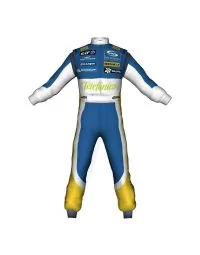
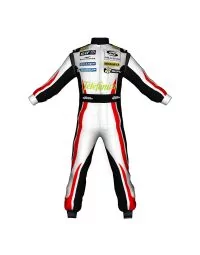
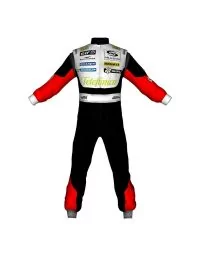
A loose or tight suit can restrict movement or expose skin. If you’ve had weight changes or upgraded your seat setup, a refit—or a new custom suit like the —might be the better option.Expired Certification Labels:
Most suits come certified under FIA or SFI standards. These labels often expire after five years, meaning even if the suit looks fine, it may not meet safety regulations anymore.
The Role of Maintenance in Extending Suit Life
Just like your car, your race suit benefits from regular care. Here’s how to get the most out of it:
Air it out after every race. Moisture and sweat degrade the fire-retardant fibers.
Avoid machine washing. Use mild detergent and hand-wash instead.
Store it properly. Hang it in a cool, dry place—no direct sunlight or damp garages.
Treating your suit well won’t make it immortal, but it can easily add an extra season or two of use.
Real-World Example: The Weekend Racer
Take John, a weekend track enthusiast from California. He races once a month and maintains his MotoSpeeds suit carefully. After four years, his suit still looked great—but when he checked the label, the SFI date had expired. Regulations required a new one before the next event. He upgraded to a custom-fit suit with breathable panels and noticed an instant difference—lighter, cooler, and more comfortable.
Lesson? Even if your suit looks perfect, certification and hidden wear can tell another story.
Professional Racers: The 2-Year Rule
Pro drivers push their suits to the limits—sweat, heat, and frequent washing all speed up wear. Many teams, including top-level drivers, replace suits every two seasons or even annually. Safety comes first when seconds and sparks fly.
If you race professionally, make it a habit to inspect your suit before each season. And always keep a backup in your kit bag. You can explore fresh designs and fire-rated options at
Why Custom Race Suits Are Worth It
Standard suits fit most people—but not everyone. A made-to-measure suit from MotoSpeeds ensures every panel sits just right, maximizing comfort and safety. Besides, custom suits can include your racing colors, team logos, and upgraded materials for extra durability.
When you invest in a custom piece, you also get extended usability. A proper fit means less internal wear and fewer replacements over time.
Quick Tips to Keep in Mind
Replace your race suit every 3–5 years, or sooner if damaged.
Always check certification expiry before an event.
Store it in a breathable bag, not plastic.
Never ignore fire-resistant lining damage.
Consider custom suits for long-term savings and safety.
A Lighthearted Note
Remember, your race suit isn’t a vintage leather jacket—it’s life-saving gear. If your suit’s seen more race seasons than your car’s tires, it’s time to hang it up like a trophy. Treat yourself to something fresh, safe, and stylish—you’ve earned it.
Conclusion
Replacing your car race suit isn’t just about looks; it’s about safety, comfort, and confidence. Whether you’re a hobby driver or a pro racer, knowing when to replace your suit keeps you one step ahead on the track.
When it’s time for an upgrade, trust MotoSpeeds to deliver quality craftsmanship, custom fit, and certified protection that keeps you racing strong—and looking sharp.
Explore the full collection of Auto Race Gear at MotoSpeeds and find your next favorite racing companion today.