Car racing gear comes with its own safety rules. The Auto blog explains SFI and FIA ratings and what a TPP number says about fire safety. It shows how Nomex and Proban suit fabrics differ. Other guides cover how to measure for a race suit, how gear should fit with a harness and HANS device, what a new racer needs, and when to replace a suit.
Tired of gear that doesn't fit? Read how riders found safety and comfort with Motospeeds custom sizing. Design your perfect-fit motorbike race gear today.
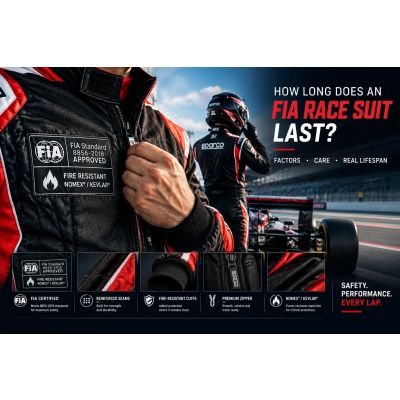
An FIA race suit can last several years if you inspect it often, follow the care label and keep it clean and dry. Your event rules may still set an expiry date. Check the label, seams, cuffs and zips...
Your type of racing shapes the gear you need. Formula 1 drivers wear multi-layer suits with FIA labels. Track day and club drivers often pick SFI suits with one or two layers. Kart drivers want light...
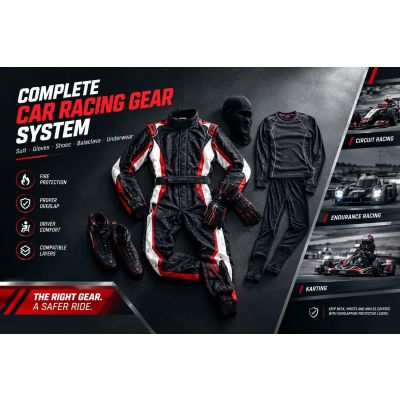
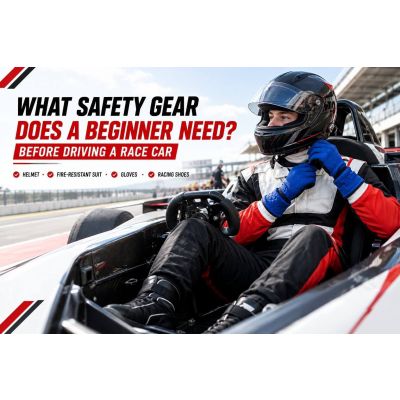
New to the track? Your first car racing gear is a set: a fire-resistant suit, gloves, shoes, a balaclava and underlayers. They slow heat and give you time to get out. Look for an SFI or FIA label and...
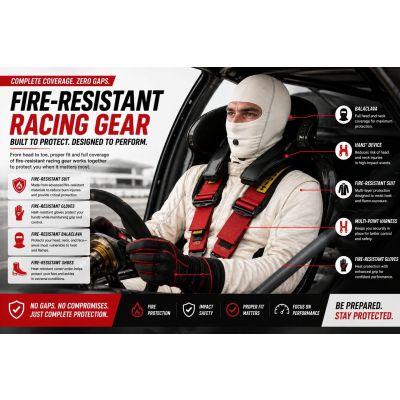
Your suit, gloves, shoes and balaclava must work with the harness and HANS device. The suit should lie flat across the shoulders and chest where the belts sit. Gloves should overlap the cuffs. Shoes...
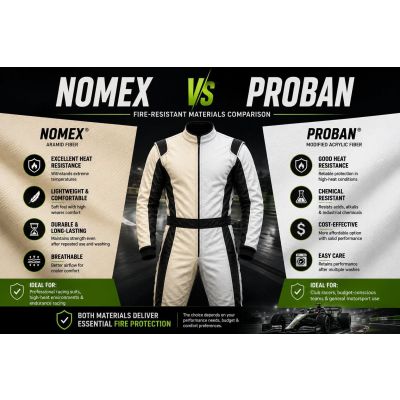
Nomex and Proban are the two most common fire-resistant suit fabrics. Nomex is a fiber that resists flame by itself, so it keeps that through many washes. Proban is a treatment on cotton, and it can...
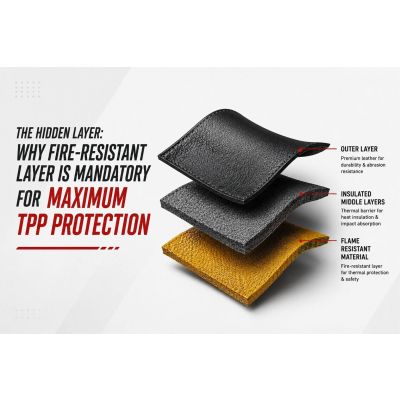
A fire-resistant layer slows the heat that reaches your skin. It gives you more time to get out if a fire starts. It does its job as part of a full set: suit, gloves, shoes, balaclava and base layer...
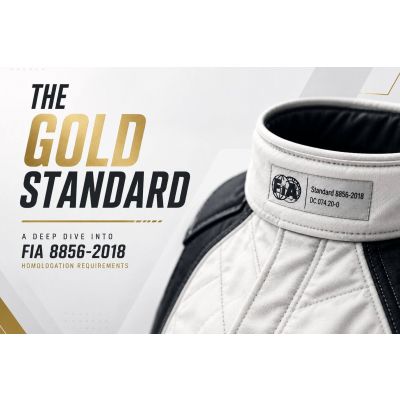
FIA 8856-2018 is a motorsport rule for fire resistant driver gear. It covers suits, gloves, shoes, balaclavas and underlayers. Gear that passes gets an FIA label sewn in. A label does not stop all...
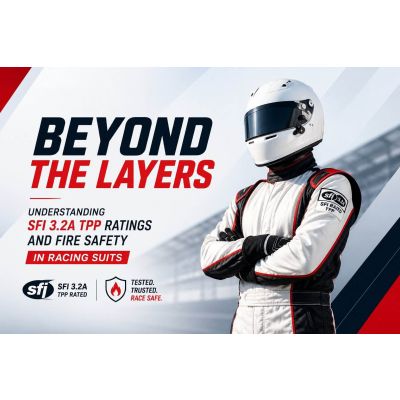
TPP stands for thermal protective performance. It shows how long a suit slows heat before it burns the skin. A higher SFI 3.2A rating means more time to get out of the car. No suit is fireproof. Fit...
Start with your event rules, since many ask for an SFI or FIA label. Measure yourself while seated, not standing. The suit should cover your wrists, ankles and neck with no gaps. It should feel snug...
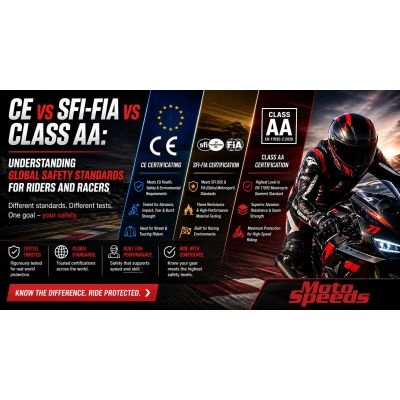
CE, SFI, FIA and Class AA are not the same test. CE is the European system, with Level 1 and Level 2 for armour and ratings for how well gear resists sliding. SFI is used mostly in North American...
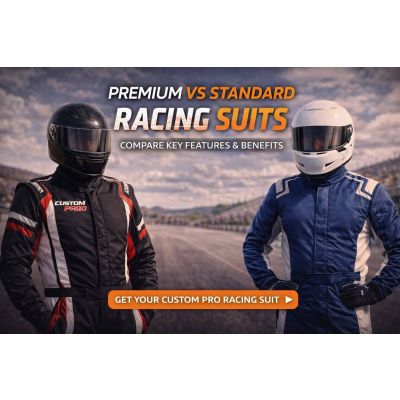
A standard racing suit meets basic safety rules at a lower cost. It suits beginners and drivers who race now and then. A custom suit is cut to your own body sizes, often with more layers of...
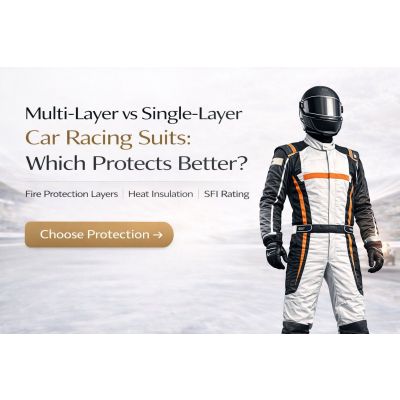
A single layer racing suit is light and breathes well, so it fits karting and low risk track days. A multi layer suit uses two or three fire resistant layers. Air trapped between them slows heat...
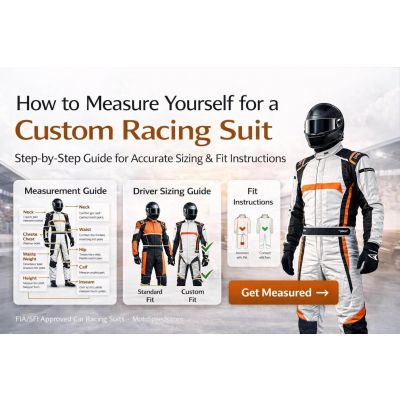
A custom racing suit only fits well if your numbers are right. Use a soft tape, wear light clothes and ask a helper. Measure your chest, waist, hips and thigh with the tape level. Then take your...
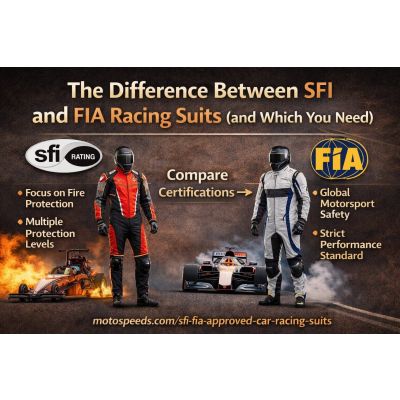
SFI and FIA are the two main racing suit standards. SFI 3.2A uses levels like /1, /5 and /15. Higher numbers mean more heat protection, measured as TPP. FIA 8856-2018 also covers abrasion, tear...