When you're preparing for a race, the fit of your car racing gear matters as much as the gear itself. A racing suit, gloves, shoes, and balaclava must work together smoothly with your harness and HANS device—the head-and-neck support system that helps protect against certain types of impact. If your racing gear doesn't fit properly around these safety systems, you'll face discomfort, restricted movement, and potential gaps in protection. This guide explains how to choose and fit car racing gear that works well with a harness and HANS device, so you can focus on driving safely and confidently.
Quick Safety Summary
Car racing gear is designed to help reduce burn risk through fire-resistant materials and to support comfort and movement in the cockpit. When wearing a HANS device and harness, your racing suit, gloves, shoes, and balaclava must fit without bunching, pinching, or creating gaps that expose skin. Proper fit means your suit sits smoothly over your shoulders and chest where the harness sits, your gloves overlap your cuffs, and your shoes cover your ankles without restricting pedal movement. Certification labels, gear condition, and correct layering all depend on fit and maintenance. Always inspect gear before use and check your event rulebook for certification requirements before competition.
Table of Contents
- Why Car Racing Gear Matters for Driver Safety
- Safety Standards, Materials, and Certification Checks
- Fit, Layers, and Comfort in the Cockpit
- Gear Fit With Harness and HANS Device
- Inspection, Maintenance, and Common Mistakes
- How MotoSpeeds Supports Car Racing Gear Buyers
- Final Safety Guide Before You Buy
Why Car Racing Gear Matters for Driver Safety
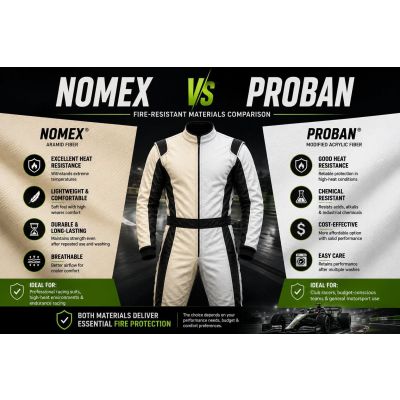
Car racing gear serves a specific purpose in motorsport. A fire-resistant racing suit, racing gloves, racing shoes, balaclava, and underlayers are designed to reduce burn risk and provide abrasion protection during high-speed driving and in emergency situations. Street clothing offers none of this protection. In a cockpit, temperatures can rise quickly, and abrasion hazards are real. Racing gear made from fire-resistant materials such as Nomex or similar aramid fabrics helps slow heat transfer and can provide extra time for driver escape. However, car racing gear does not eliminate burn risk or prevent injury—it is part of a complete safety system that includes your harness, HANS device, helmet, and the vehicle itself.
When you add a harness and HANS device to the equation, your gear must fit around these systems without gaps or bunching. A poorly fitted suit leaves skin exposed near the shoulders, chest, or neck where the harness and HANS device sit. Gaps reduce the protective benefit of your fire-resistant apparel. Bunching creates discomfort and can restrict your range of motion, which affects your ability to control the vehicle safely. This is why fit is not just about comfort—it's a core part of your safety preparation.
Safety Standards, Materials, and Certification Checks
Car racing gear is tested against defined safety standards. SFI and FIA are the most common motorsport safety certification systems in racing. These standards define testing methods, material requirements, and performance benchmarks for racing suits, gloves, shoes, and related apparel. Certification helps show that gear has been tested to a defined standard, but it does not guarantee injury prevention. Protection depends on the correct rating, fit, condition, layers, and racing environment.
Fire-resistant racing suits often use multi-layer construction with aramid fabrics. Single-layer and multi-layer designs offer different performance characteristics, and your event rules may specify which type is required. Always check your event rulebook, product label, and certification patch before competition use. Some events require specific SFI or FIA ratings, and some certifications have validity periods. Your gloves, shoes, and balaclava should also carry appropriate certification markings. Do not assume a suit is legal for every event—verify certification details and event requirements before race day.
Drivers comparing fire-resistant suits, gloves, shoes, and related safety apparel can review
to explore gear options and product details before ordering.Fit, Layers, and Comfort in the Cockpit
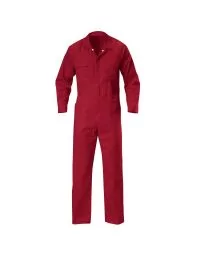
Fit is where many drivers make their first mistake. A racing suit must fit while you are seated in your car, not while standing. When you sit down, your suit should not bunch up at the chest, shoulders, or waist. Your sleeves should cover your wrists when your arms are at the steering wheel. Your pant legs should cover your ankles without bunching at the cuffs. The suit should feel snug but not tight enough to restrict breathing or movement.
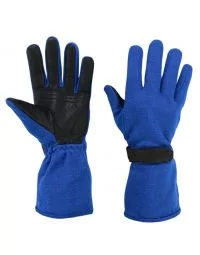
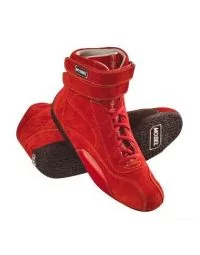
Your racing gloves must overlap your suit cuffs by at least an inch or more, depending on your event rules. This overlap closes the gap between your gloves and suit, preventing skin exposure at your wrists. Your racing shoes should cover your ankles and stay in place on your feet without slipping. If your shoes are too loose, they can shift during hard braking or cornering, reducing your control and exposing your ankle area.
Underlayers matter too. A racing balaclava should fit snugly under your helmet without bunching under your chin or at the back of your neck. Base layers (racing underwear or thermal underlayers) should be compatible with your suit and not create bulk that interferes with harness or HANS device fit. Ventilation and comfort depend on the right combination of layers for your climate and racing discipline. Too many layers create heat stress; too few leave you unprotected in a fire scenario.
Gear Fit With Harness and HANS Device
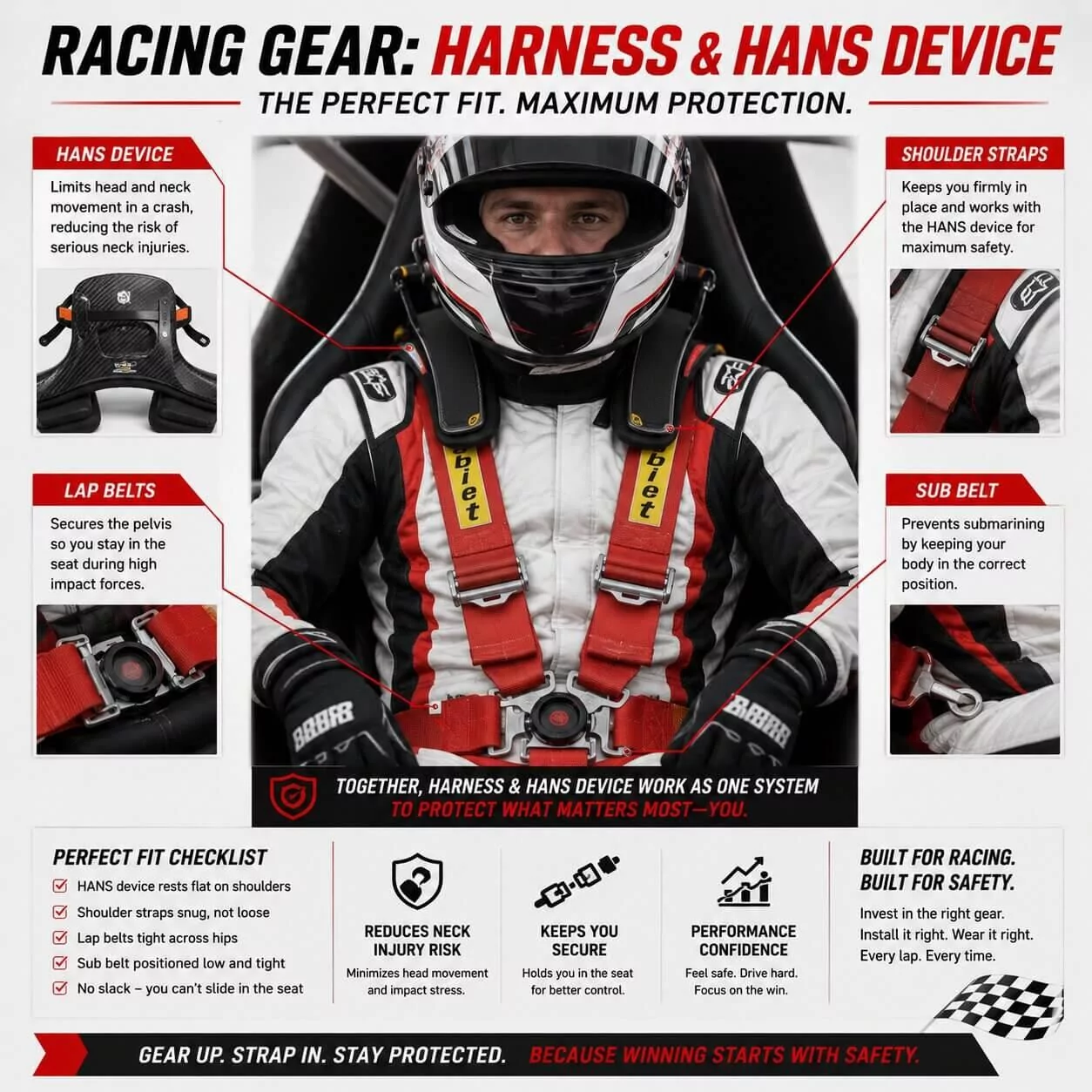
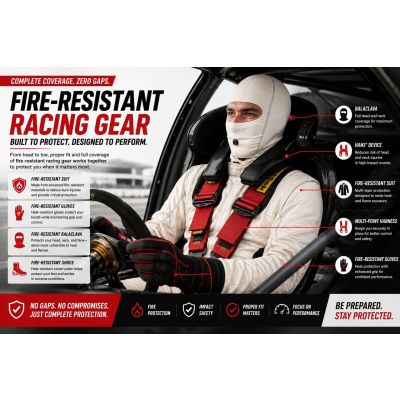
A HANS device is a head-and-neck support system that sits across your shoulders and chest. Your racing suit must fit smoothly over the HANS device without gaps or pinching. The suit should lie flat against your body where the HANS device connects, with no wrinkles or bunching that could shift during acceleration, braking, or a crash. If your suit is too large, it will bunch under the HANS device straps and create uncomfortable pressure points. If your suit is too small, it will pull away from your shoulders and neck, leaving exposed skin.
Your harness sits across your chest and shoulders as well. A multi-point or six-point harness needs room to sit comfortably over your racing suit without the suit riding up or twisting. The suit should not be so tight that the harness straps dig into your shoulders or restrict your breathing. Test your gear fit in your actual car seat, wearing your harness and HANS device, before race day. Sit in the car, grip the steering wheel, and check that your suit stays in place, your gloves overlap your cuffs, and your shoes remain secure on the pedals.
Drivers who want to review a real gear example can check
to compare fit, material, and protective feature details.Inspection, Maintenance, and Common Mistakes
Before every race, inspect your car racing gear. Check your suit for tears, worn seams, or damaged zippers. Look at your gloves for punctures or thin spots. Examine your shoes for worn soles or loose stitching. Check your balaclava for holes or loose fabric. Damaged gear should not be worn in competition—replace it if it no longer meets safety standards or event requirements. Contamination from oil, fuel, or chemicals can compromise fire-resistant properties, so clean or replace contaminated gear before use.
Follow care labels on your gear. Most racing suits can be hand-washed or machine-washed in cold water, but always check the manufacturer instructions. Store gear away from heat, direct sunlight, moisture, and harsh chemicals. Check certification labels and expiration dates if your event rules require them. Keep your gear in good condition between races, and replace it if it becomes damaged, worn, or no longer compliant with current event requirements.
Common mistakes to avoid:
- Choosing by looks only: Pick gear based on fit, certification, and material, not just color or brand name.
- Ignoring certification labels: Always verify that your suit, gloves, shoes, and balaclava carry the certification marks required by your event.
- Wearing the wrong underlayers: Incompatible base layers can create bulk that interferes with harness fit and HANS device positioning.
- Buying the wrong fit: Test gear while seated in your car with your harness and HANS device on before committing to a purchase.
- Skipping inspection: Damaged or worn gear reduces protective performance and may violate event rules.
How MotoSpeeds Supports Car Racing Gear Buyers
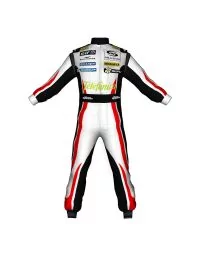
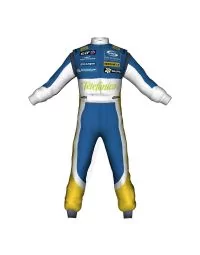
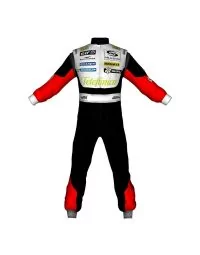
MotoSpeeds offers car racing suits, auto racing suits, fire-resistant racing apparel, racing gloves, racing shoes, balaclavas, and racing underwear for drivers who want to compare fit, materials, comfort, and protective features before ordering. The brand focuses on driver-focused fit details, custom sizing, and made-to-measure options where available. Buyers can review product details, sizing guidance, and certification information to find gear that matches their racing discipline and event requirements.
MotoSpeeds supports drivers by providing clear product documentation, fit guidance, and access to support if sizing or certification details are unclear. Always review product details, certification information, sizing guidance, and event requirements before competition use. If you have questions about fit, materials, or certification, contact MotoSpeeds support before ordering.
Final Safety Guide Before You Buy
Before you purchase car racing gear, identify your racing discipline and check your event safety requirements. Verify what certification your event requires for racing suits, gloves, shoes, and balaclavas. Choose the correct suit type and layers for your climate and racing environment. Confirm that your suit, gloves, shoes, and balaclava fit properly while you are seated in your car wearing your harness and HANS device. Check that your gloves overlap your suit cuffs, your shoes cover your ankles, and your balaclava fits under your helmet without bunching.
Inspect your gear before every race and after any incident. Review care instructions and store your gear properly between races. If you are unsure about sizing, fit, certification, or compatibility with your harness and HANS device, reach out to support or a knowledgeable retailer before buying. When you are ready to explore options, MotoSpeeds car racing gear is designed to help you find fire-resistant, well-fitting apparel that supports your safety and comfort in the cockpit.
Frequently Asked Questions
What is car racing gear designed to do?
Car racing gear is designed to reduce burn risk through fire-resistant materials and to provide abrasion protection during high-speed driving and emergency situations. Racing suits, gloves, shoes, and balaclavas help slow heat transfer and can provide extra escape time in a fire scenario. However, racing gear does not prevent injury or eliminate burn risk—it is one part of a complete safety system that includes your harness, helmet, HANS device, and vehicle.
Is fire-resistant race gear the same as fireproof gear?
No. Fire-resistant and fireproof are not the same. Fire-resistant racing gear is designed to resist ignition and slow heat transfer, but it is not fireproof. No fabric or racing suit can make fire impossible or prevent all burns. Fire-resistant materials help reduce burn risk and provide extra time for escape, but protection depends on material quality, fit, condition, layers, and racing environment. Always check product labels and certification markings to understand what your gear is designed to do.
What should I check before buying a car racing suit?
Before buying a racing suit, check your event rulebook for certification requirements. Verify that the suit carries the correct SFI or FIA certification mark. Confirm the suit fits properly while you are seated in your car wearing your harness and HANS device. Check that sleeves cover your wrists, pant legs cover your ankles, and the suit sits smoothly over your safety equipment without bunching or gaps. Review sizing guidance and care instructions. If you are unsure about fit or certification, contact support before ordering.
Do I need racing gloves, shoes, balaclava, and underlayers too?
Yes. A complete racing gear setup includes a racing suit, gloves, shoes, and balaclava. Your event rules may require all of these items. Gloves protect your hands and must overlap your suit cuffs. Shoes protect your feet and ankles. A balaclava covers your head and neck under your helmet. Underlayers (racing underwear or thermal layers) add extra fire-resistant protection and comfort. All items should carry appropriate certification and fit together without gaps or bunching.
How should car racing gear fit in the cockpit?
Car racing gear must fit while you are seated in your car, not while standing. Your suit should not bunch at the chest, shoulders, or waist. Sleeves should cover your wrists when your arms are at the steering wheel. Pant legs should cover your ankles without bunching at the cuffs. Your gloves must overlap your suit cuffs by at least an inch. Your shoes should cover your ankles and stay in place on your feet. Test fit in your actual car seat wearing your harness and HANS device before race day.