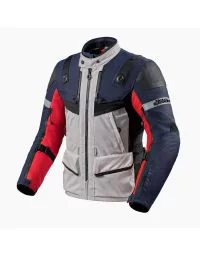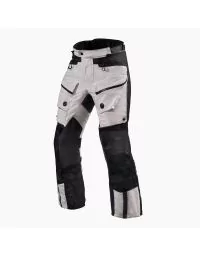
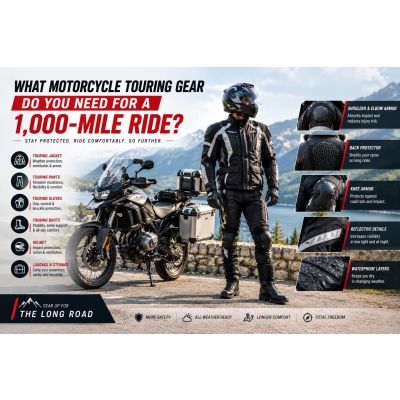
1,000-Mile Ride: What Motorcycle Touring Gear Do You Need
Introduction
Long-distance motorcycle touring demands more from your gear than casual weekend rides. Over eight, twelve, or sixteen hours in the saddle, you need clothing that protects against road hazards while keeping you comfortable, visible, and functional during fuel stops, rest breaks, and overnight stays. Touring motorcycle gear balances abrasion resistance, impact protection, weather flexibility, ventilation, visibility, storage capacity, and long-duration wearability—factors that casual riding apparel simply does not address.
Touring riders face unique challenges: extended exposure to sun and wind, changing weather across different regions, highway traffic at varying speeds, fatigue that affects concentration and reaction time, and the need to walk around in protective clothing during stops. Your touring motorcycle gear must work as hard as you do, protecting vulnerable areas during slides while remaining flexible enough for eight-hour riding days without causing pain, numbness, or excessive heat buildup.
This guide explains what touring motorcycle gear actually does, which protective features matter most, how materials like leather and Kevlar perform differently, and how to choose gear that fits your route, climate, and riding style. Whether you are planning your first multi-day tour or upgrading your current setup, understanding these choices will help you make better-informed decisions about the gear you wear.
Quick Answer
Touring motorcycle gear is protective riding apparel designed for long-distance comfort, weather flexibility, and impact/abrasion resistance. Key features include CE-rated armor for shoulders, elbows, knees, and back; abrasion-resistant materials like leather or Kevlar; reinforced seams; reflective accents for visibility; ventilation or waterproofing depending on climate; removable liners for layering; and practical fit for multi-hour rides. Leather offers proven abrasion resistance; Kevlar provides similar protection with lighter weight and easier care. Proper fit keeps armor positioned correctly and reduces fatigue. Touring gear works best when combined with appropriate gloves, boots, and weather layers for your specific route and season.
Table of Contents
- What Does Touring Motorcycle Gear Mean for Rider Safety?
- What Protection Should Touring Riders Look For?
- Leather vs Kevlar: Which Is Better for Touring?
- How Should a Touring Motorcycle Jacket or Riding Shirt Fit?
- What Should Touring Riders Look for in Motorcycle Pants and Jeans?
- Why Do Motorcycle Gloves and Boots Matter for Touring Riders?
- How Do Ventilation, Waterproofing, and Weather Features Affect Gear Choice?
- Why Are Reflective Details Important for Touring?
- Common Touring Motorcycle Gear Buying Mistakes
- How to Build a Practical Touring Motorcycle Gear Setup
- Final Touring Gear Buying Advice from MotoSpeeds
What Does Touring Motorcycle Gear Mean for Rider Safety?
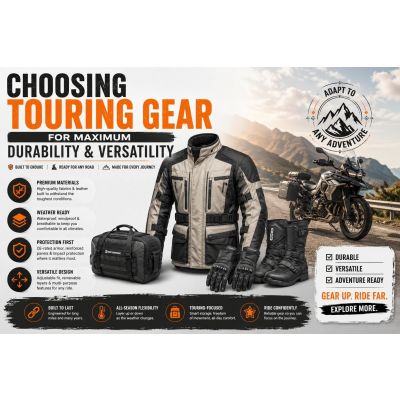
Touring motorcycle gear is protective riding apparel engineered for long-distance use. Unlike casual motorcycle clothing or street wear, touring gear includes strategically placed CE-rated armor, reinforced seams, abrasion-resistant materials, and design features that support comfort during multi-hour rides. The goal is to reduce injury risk during slides or crashes while remaining practical for extended touring, changing weather, and frequent dismounts.
Protective gear cannot prevent all injuries in a crash. What it does is reduce the severity of road rash, manage impact forces at critical zones like shoulders and elbows, and keep your skin from direct contact with asphalt. The effectiveness depends on fit, material quality, armor positioning, and the nature of the crash itself. A properly fitted touring jacket with reinforced seams and shoulder armor performs very differently from an ordinary windbreaker during a slide.
Touring gear differs from racing or track-specific apparel in several ways. Racing suits prioritize extreme abrasion protection and tight fit for aerodynamics. Touring gear balances protection with flexibility, ventilation, storage pockets, and the ability to layer for changing temperatures. A touring motorcycle jacket must work comfortably during eight-hour highway stretches and still allow you to walk around a rest stop without feeling constrained.
What Protection Should Touring Riders Look For?
Touring riders should prioritize two distinct types of protection: abrasion resistance and impact protection. These work together but are not the same thing.
Abrasion Resistance refers to how well the material withstands friction against road surfaces during a slide. Leather and Kevlar-reinforced textiles are tested under EN 17092, a European standard that classifies garments into classes AAA, AA, A, B, and C based on tear strength, seam strength, and abrasion performance. An AA-class touring jacket indicates tested performance under these criteria, but the class is a garment rating, not an impact-force measurement. Abrasion-resistant materials matter because they reduce skin loss and protect underlying tissue during slides at any speed.
Impact Protection comes from CE-rated armor inserts, typically placed at shoulders, elbows, knees, hips, and back. These protectors are tested under EN 1621, a separate standard for impact absorbers. Armor is rated Level 1 or Level 2 based on impact-energy absorption. Level 2 armor is tested at higher impact forces and typically provides greater protection, though it may be slightly thicker or less flexible than Level 1. Proper fit ensures armor stays positioned over vulnerable areas during a crash.
For touring riders, look for jackets and pants with armor pockets that accommodate CE-rated protectors at minimum. Shoulder and elbow protection matter for highway falls. Knee protection is essential in touring pants. Back protection is increasingly common in touring jackets and can reduce spinal injury risk. Check the product label or manufacturer documentation for exact armor coverage, rating, and proper positioning instructions.
Touring riders comparing protective options for long-distance use can explore our
for motorcycle gear designed around long-distance comfort, weather flexibility, and practical protection.Leather vs Kevlar: Which Is Better for Touring?
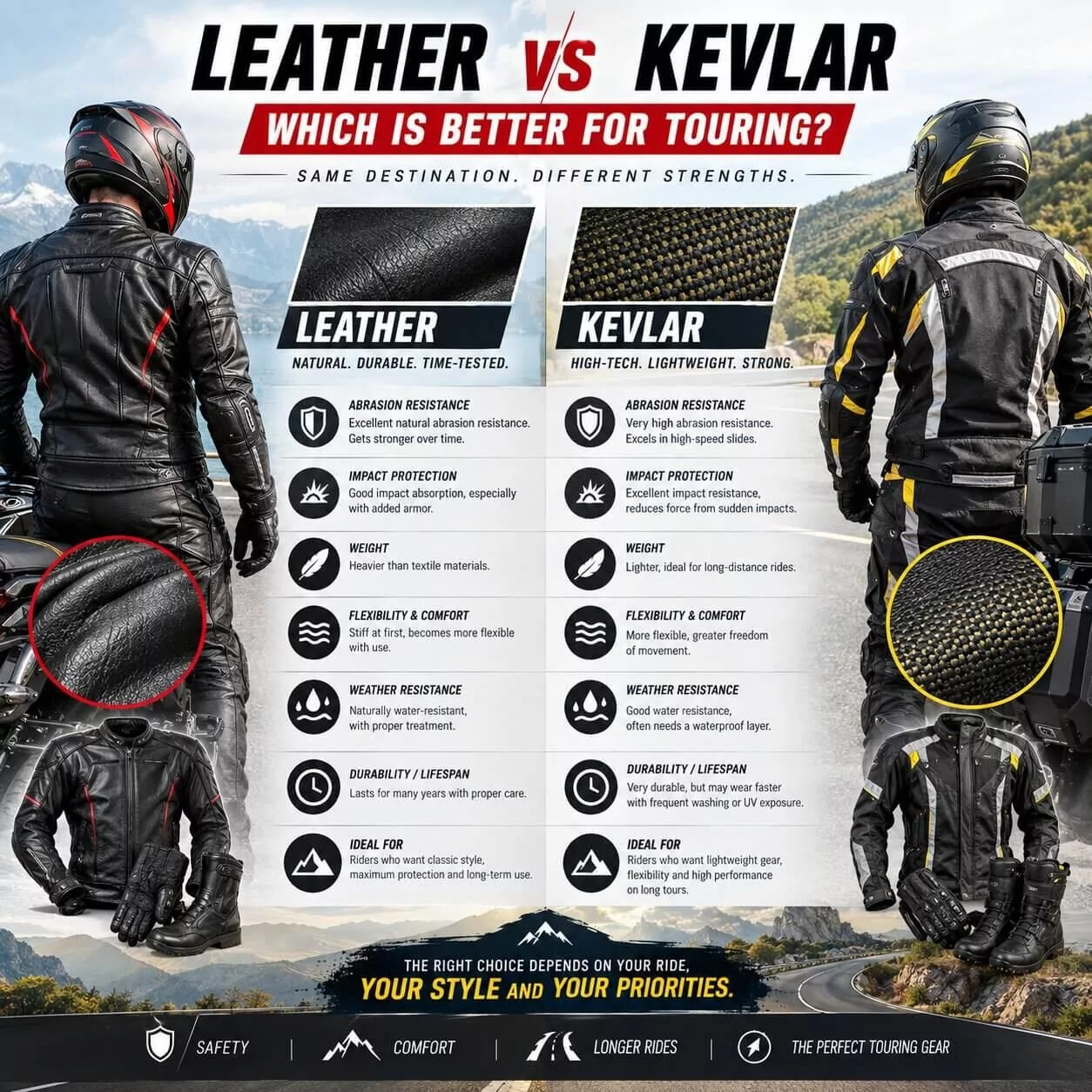
Both leather and Kevlar-reinforced textiles can provide excellent abrasion resistance for touring. Neither material is universally superior; the choice depends on your climate, maintenance preferences, and riding conditions.
Leather Advantages: Leather has a long track record in motorcycle protective apparel. It offers proven abrasion resistance, naturally repels wind, and develops character with use. A quality leather touring jacket feels premium and can last many seasons with proper care. Leather is naturally water-resistant but not waterproof; rain beads on the surface initially but will eventually penetrate if you do not treat or wax it.
Leather Disadvantages: Leather requires regular cleaning, conditioning, and treatment to maintain its water resistance and flexibility. It can become stiff in cold weather and heavy during long rides. Leather jackets are often heavier than textile alternatives, which affects comfort during eight-hour touring days. Repairs require specialist work and can be costly.
Kevlar Advantages: Kevlar-reinforced textiles offer similar abrasion resistance to leather in a lighter, more flexible package. Kevlar riding shirts and reinforced panels provide excellent protection while allowing better air circulation than solid leather. Kevlar apparel is easier to care for—most can be machine-washed—and dries quickly. For touring riders dealing with heat, humidity, or frequent weather changes, Kevlar provides practical versatility without sacrificing protection.
Kevlar Disadvantages: Kevlar textiles do not develop the same aesthetic patina as leather, and some riders prefer leather's traditional look. Kevlar apparel may require more frequent replacement than leather because textile fibers degrade over time with exposure and washing. High-quality Kevlar gear is not necessarily cheaper than leather.
For touring, the choice often depends on your route. Summer touring in hot climates favors Kevlar's lighter weight and breathability. Multi-season touring with changing weather may benefit from leather's natural water resistance and durability. Many experienced touring riders own both and choose based on the specific trip.
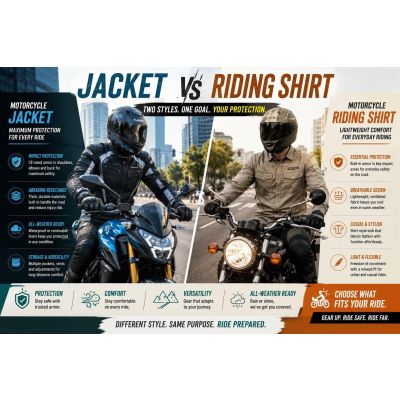
How Should a Touring Motorcycle Jacket or Riding Shirt Fit?
Fit is critical for both protection and long-distance comfort. A poorly fitted touring jacket will either restrict movement or fail to keep armor positioned correctly during a crash.
Protective Fit Requirements: Your touring jacket should fit snugly enough that shoulder armor sits directly over your shoulder joint, not sliding forward or backward when you move. Elbow armor should align with your elbow when your arm is bent at a natural riding angle. The jacket should not gap at the waist or sides, as these gaps expose unprotected skin during slides. At the same time, the jacket must allow full shoulder rotation and arm movement for steering, braking, and cornering.
Comfort for Long Rides: During an eight-hour touring day, a tight jacket becomes painful. Your touring jacket should have enough room through the chest and shoulders that you do not feel squeezed in the riding position. Stretch panels at the sides and back improve movement without sacrificing protection. Adjustable closures at the waist, cuffs, and collar let you fine-tune fit for layering and changing temperatures.
Fit Testing: Before committing to a touring jacket, sit on a motorcycle in your normal riding posture. Reach for the handlebars. Rotate your shoulders. Reach across your body. If the jacket pulls or restricts movement, it will cause fatigue and discomfort over eight hours. If armor shifts noticeably when you move, the fit is too loose.
Sizing Considerations: Standard sizing works for many riders, but touring gear is demanding enough that custom or made-to-measure options are worth considering if you have an unusual build, very long arms, or specific armor placement needs. A jacket that fits perfectly reduces fatigue and keeps you safer because you will actually wear it without discomfort.
What Should Touring Riders Look for in Motorcycle Pants and Jeans?
Touring motorcycle pants and reinforced riding jeans protect your legs during slides and provide comfort during long rides. The best choice depends on your climate and the type of touring you do.
Abrasion-Resistant Construction: Look for pants with reinforced panels on the outside of the thighs, hips, and seat—the areas most likely to contact the road during a slide. Leather touring pants offer proven abrasion resistance. Kevlar-reinforced riding jeans provide similar protection with a more casual appearance and easier maintenance. Textile touring pants with aramid reinforcement can be lighter and more ventilated than solid leather.
Armor Placement: Touring pants should have armor pockets at both knees and often at the hips. Knee protection is essential because knee injuries are common in motorcycle crashes and can be career-altering. Hip armor protects the pelvis and hip joints during side impacts. Check that armor pockets are positioned so armor sits correctly when you are in the riding position, not when standing upright.
Comfort Features: For multi-day touring, comfort matters. Look for pants with a rise that allows comfortable sitting on the motorcycle without excess bunching at the crotch. Stretch panels at the knees and inner thighs improve movement during long rides. Gusseted crotches reduce chafing during eight-hour days. Adjustable waist closures accommodate layering and allow you to adjust fit without removing the pants.
Weather Versatility: Touring routes often involve changing weather. Waterproof touring pants protect during rain. Ventilated panels or removable liners help manage heat during summer touring. The best touring pants balance protection with breathability so you can wear them comfortably across seasons without overheating or getting soaked.
Why Do Motorcycle Gloves and Boots Matter for Touring Riders?
Gloves and boots are often overlooked but are among the most important protective items for touring riders. Your hands and feet are vulnerable in crashes and take impact during falls.
Motorcycle Gloves for Touring: Touring motorcycle gloves should provide abrasion resistance across the palm and back of the hand, impact protection at the knuckles, and secure wrist closure to prevent the glove from sliding off during a crash. Long-cuff touring gloves extend protection up the forearm, which is valuable on highway tours where arm and wrist injuries are common. Gloves should fit snugly enough that you maintain throttle control without slipping, but not so tight that they cause hand fatigue during eight-hour rides. Padding on the palm reduces vibration fatigue. Waterproof or water-resistant materials keep your hands dry during unexpected rain.
Motorcycle Boots for Touring: Touring motorcycle boots provide ankle support, impact protection on the heel and shin, and abrasion resistance if you slide. Unlike ordinary hiking or work boots, motorcycle boots have reinforced areas designed to withstand road contact and include protective features like shift pads to resist gear-change wear. Good touring boots support your ankle during long rides, reducing fatigue and improving control. Grip soles prevent slipping during fuel stops or wet surfaces. Waterproof construction keeps your feet dry on wet roads or during unexpected storms.
Fit and Comfort: Gloves and boots that do not fit properly cause blisters, numbness, and fatigue—serious problems on multi-day tours. Motorcycle gloves should allow full finger movement and grip control. Boots should fit snugly without pressure points and allow enough ankle movement for the riding position. Many experienced touring riders own multiple pairs of gloves and boots to rotate, reducing wear and allowing different options for different seasons.
How Do Ventilation, Waterproofing, and Weather Features Affect Gear Choice?
Ventilation and waterproofing represent different design priorities, and touring riders must choose based on their most common conditions.
Ventilated Touring Gear: Ventilated jackets and pants have mesh panels, perforated leather, or removable sections that allow air circulation. Ventilation is essential for summer touring, hot climates, and long highway stretches where wind chill is not a factor. Ventilated gear keeps you cooler during eight-hour days and reduces sweat buildup. The trade-off is that ventilation reduces waterproofing—mesh panels let rain through. Ventilated gear works best for riders who encounter mostly dry conditions or who can add a waterproof layer when rain threatens.
Waterproof Touring Gear: Waterproof jackets and pants use sealed seams, water-resistant materials, and minimal mesh to keep rain out. Waterproof touring gear is essential for riders in wet climates or those touring during rainy seasons. The trade-off is reduced ventilation—waterproof gear can feel warm and trap sweat during long rides in warm weather. Waterproof gear is often heavier and less flexible than ventilated alternatives.
Modular and Removable Liners: Many touring jackets and pants offer removable thermal liners or waterproof layers. This approach lets you adapt the same gear to different seasons and weather conditions. In summer, ride with ventilated panels and no liner. As temperatures drop or rain threatens, add the waterproof or thermal layer. This flexibility makes modular touring gear valuable for multi-season touring and changing-weather routes.
Choosing for Your Route: Consider your most common touring conditions. Summer desert touring favors ventilation. Mountain touring with unpredictable weather benefits from waterproof construction or modular liners. Long-distance highway touring in temperate climates might prioritize ventilation with an emergency rain layer. Most experienced touring riders build a layering system rather than relying on a single jacket for all conditions.
Why Are Reflective Details Important for Touring?
Visibility matters on highways, rural roads, tunnels, and during dawn, dusk, and low-light conditions. Reflective accents and reflective stitching on touring gear improve your visibility to other drivers, especially at night or in poor light.
How Reflective Details Work: Reflective materials bounce light from headlights and streetlights back toward the source, making you visible to drivers who might not see you in normal light. Reflective stitching on seams, reflective panels on sleeves and legs, and reflective logos all contribute to visibility. The more reflective surface area, the more visible you are to approaching traffic.
Touring-Specific Visibility: Long-distance touring often involves highway riding at dawn, dusk, or night when visibility is reduced. Rural roads may lack street lighting. Tunnels and underpasses create sudden low-light conditions. Reflective touring gear makes you visible in these situations without requiring added equipment or layers. This is especially important on multi-day tours where you might encounter a wider range of lighting conditions than you expect.
Combining Visibility Features: Reflective details work best when combined with bright base colors. Black touring gear with minimal reflective accents is less visible than light gray or bright-colored gear with the same reflective materials. Many touring riders choose jackets and pants with both bright colors and generous reflective elements to maximize visibility across different lighting conditions.
Common Touring Motorcycle Gear Buying Mistakes
Experienced touring riders learn from mistakes. Here are the most common ones:
Buying Based on Price Alone: Cheap touring gear often has poor armor positioning, weak seams, or inadequate abrasion resistance. On a multi-day tour, uncomfortable or poorly protective gear affects your safety and enjoyment. Investing in quality touring apparel pays dividends across many trips.
Choosing Fit for Standing Position Instead of Riding Position: Many riders try on jackets and pants while standing upright, then find them uncomfortable or poorly fitted when sitting on the motorcycle. Always test fit in the actual riding position.
Ignoring Armor Positioning: Buying a jacket with armor pockets but never checking that armor is correctly positioned is a common mistake. Armor that shifts during a ride offers less protection. Verify armor placement before your first long tour.
Selecting Gear for One Season Only: Touring often involves changing weather. Buying only summer gear or only winter gear limits your touring flexibility. Building a layering system or choosing modular gear with removable liners expands your touring season.
Neglecting Gloves and Boots: Some riders invest in quality jackets and pants but cheap out on gloves and boots. Hands and feet are vulnerable in crashes and require the same protective consideration as your core.
Not Testing Comfort Before Committing: A touring jacket that feels fine in a shop for five minutes may be painful after eight hours of riding. Whenever possible, test gear on an actual ride before committing to a full tour.
How to Build a Practical Touring Motorcycle Gear Setup
Building an effective touring gear setup requires thinking about your specific routes, seasons, and riding style.
Start with a Core Touring Jacket: Choose a touring motorcycle jacket that fits well in the riding position and offers good abrasion resistance, armor coverage, and weather features appropriate for your most common conditions. This is your foundation. A quality touring jacket is versatile enough to work across multiple seasons with layering adjustments.
Add Touring Pants or Jeans: Select touring pants or reinforced riding jeans that match your jacket's protection level and fit your riding posture. Ensure knee armor is properly positioned. If you tour in multiple seasons, consider pants with removable liners or ventilation options.
Invest in Gloves and Boots: Do not compromise on gloves and boots. Touring motorcycle gloves should fit your hands precisely and offer the protection level you need. Touring boots should support your ankles and provide the protection and grip you expect. Quality gloves and boots reduce fatigue and improve safety across long rides.
Plan for Weather Layering: If you tour in changing seasons or climates, build a layering system. Thermal liners for cold weather, waterproof layers for rain, and ventilated bases for heat give you flexibility without requiring a different jacket for each condition.
Consider Visibility: Ensure your jacket, pants, gloves, and boots include adequate reflective details. If your gear is primarily dark, add reflective vests or accessories for night touring.
Test Before Committing: Wear your complete touring setup on several shorter rides before undertaking a multi-day tour. This lets you identify fit issues, comfort problems, or missing features before you are far from home.
Final Touring Gear Buying Advice from MotoSpeeds
Touring motorcycle gear is an investment in your safety, comfort, and enjoyment of long-distance riding. The right gear keeps you protected during slides, comfortable during eight-hour riding days, and visible to other traffic in challenging conditions. The wrong gear compromises safety through poor fit or inadequate protection, or it causes fatigue and discomfort that affects your riding decisions and enjoyment.
Quality touring gear balances protection, comfort, weather flexibility, visibility, and practicality. There is no single "best" material or design for every rider—the best choice depends on your route, climate, riding style, and personal preferences. Leather offers proven durability and traditional appeal. Kevlar provides lighter weight and easier maintenance. Ventilated gear keeps you cool; waterproof gear keeps you dry. Modular designs with removable liners offer flexibility across seasons.
Fit matters more than you might expect. A perfectly protective jacket that causes pain after four hours will be removed or avoided, defeating its purpose. A well-fitted touring jacket that you enjoy wearing will actually be worn, which is the foundation of real protection.
For riders comparing practical touring gear, the
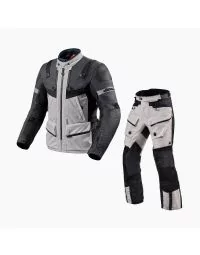
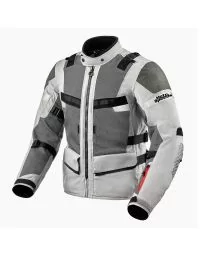
provides an example of how protective construction, fit, weather features, and long-distance usability can work together. Start with this understanding of what touring motorcycle gear does and how its features work. Then choose gear that matches your specific touring needs, test it on shorter rides, and make adjustments before undertaking longer tours. This approach helps you build a touring setup that protects you effectively while keeping you comfortable and confident on the road.Frequently Asked Questions
What is touring motorcycle gear?
Touring motorcycle gear is protective riding apparel designed for long-distance use. It includes jackets, riding shirts, pants, gloves, and boots engineered with CE-rated armor, abrasion-resistant materials, reinforced seams, and features like ventilation, waterproofing, and reflective accents. Touring gear balances protection with comfort for multi-hour rides, weather flexibility, and practical usability during fuel stops and rest breaks. Unlike racing gear, touring apparel prioritizes long-distance comfort and versatility over extreme abrasion or aerodynamic performance.
Is leather good for long-distance motorcycle touring?
Leather is an excellent choice for touring. It offers proven abrasion resistance, naturally repels wind, and develops character with use. Leather touring jackets and pants are durable and can last many seasons. The drawbacks are weight, maintenance requirements (cleaning, conditioning, and treatment), and reduced ventilation in warm weather. Leather is naturally water-resistant but not waterproof; rain will eventually penetrate without treatment. For riders in temperate or cool climates, leather is an outstanding touring choice. For hot-climate touring, lighter materials like Kevlar may be more comfortable.
Are motorcycle jeans suitable for long-distance touring?
Reinforced motorcycle riding jeans are suitable for touring if they include proper armor pockets, abrasion-resistant panels, and reinforced seams. Quality riding jeans offer protection similar to dedicated touring pants while providing a casual appearance suitable for walking around during touring stops. They are easier to maintain than leather and work well for summer touring. However, standard denim jeans without reinforcement are not adequate protective gear for touring. Always verify that riding jeans include knee armor pockets, hip protection, and abrasion-resistant construction before committing to a tour.
How should a touring motorcycle jacket fit?
A touring jacket should fit snugly enough that shoulder and elbow armor remain positioned over your joints when you move, but comfortably enough that you do not experience pain or restriction during eight-hour rides. Test fit in the actual riding position—sitting on a motorcycle with your hands on the bars. The jacket should allow full shoulder rotation, arm movement for steering, and comfortable breathing. Adjustable closures at the waist, cuffs, and collar let you fine-tune fit for layering. If a jacket feels tight in the shop, it will be painful on the road. Proper fit is essential for both protection and comfort.
Why are reflective details useful for touring?
Reflective details improve your visibility to other drivers, especially during dawn, dusk, night, and low-light conditions common on long-distance touring. Reflective stitching, patches, and accents bounce headlight and streetlight beams back toward approaching traffic, making you visible when ordinary light reflection would not. Touring often involves highway riding, rural roads without street lighting, and tunnels where visibility is reduced. Combining reflective details with bright base colors maximizes visibility across different lighting conditions and improves safety during extended tours.
Can I wear touring motorcycle gear comfortably during touring stops?
Quality touring gear is designed to be worn during riding and walking. Unlike racing suits, touring jackets and pants include practical features like usable pockets, reasonable fit for movement, and materials that look appropriate in casual settings. You can walk around fuel stops, restaurants, and rest areas in touring gear without excessive discomfort or awkwardness. However, very tight protective gear or extreme armor configurations may limit walking comfort. Choose touring gear with enough flexibility and usable design that you are willing to wear it during stops, which keeps you protected throughout your tour.
What features matter most for multi-day motorcycle touring?
For multi-day touring, prioritize fit and comfort alongside protection. Armor coverage at shoulders, elbows, knees, and back is important. Abrasion-resistant materials matter. But equally important are features that support comfort during extended saddle time: stretch panels for movement, ventilation or waterproofing appropriate for your climate, adjustable closures for layering, practical pockets, and reflective visibility. Weather flexibility through removable liners or modular designs extends your touring season. Quality gloves and boots prevent fatigue and discomfort. Long-distance comfort directly affects your safety because fatigued or uncomfortable riders make poor decisions. Build your touring setup around protection plus long-distance practicality.