10 Must-Have Features in Urban Motorcycle Jackets
City riding demands protective gear that balances safety, comfort, and practical function. Urban motorcycle jackets are not racing suits—they are designed for stop-and-go traffic, commuting, weather changes, and quick trips through town. Whether you ride a sportbike, a standard, or a cruiser, understanding the key features of urban motorcycle jackets will help you choose gear that actually protects you without sacrificing the comfort you need for daily riding. This guide breaks down the 10 essential features that separate protective urban jackets from casual fashion jackets.
Quick Answer
Urban motorcycle jackets should feature abrasion-resistant outer material, CE-rated shoulder and elbow armor, secure fit in riding position, ventilation for heat management, reflective panels for visibility, strong zippers and closures, reinforced stitching in impact zones, weather protection, functional pockets, and optional back or chest armor. Each feature serves a specific safety or comfort purpose for city riding. Proper fit is critical—armor must stay correctly positioned during a crash, and the jacket must move naturally with you at red lights and in traffic.
Table of Contents
- What Do Urban Motorcycle Jackets Features Mean for Rider Safety?
- Feature 1: Abrasion-Resistant Outer Material
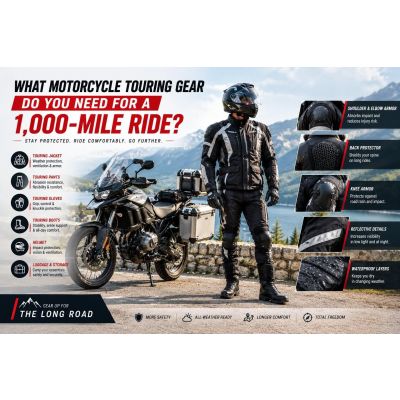
- Feature 2: CE-Rated Shoulder and Elbow Armor
- Feature 3: Secure Fit in Riding Position
- Feature 4: Ventilation for City Heat and Traffic
- Feature 5: Reflective Panels and Better Visibility
- Feature 6: Strong Zippers, Cuffs, and Closures
- Feature 7: Reinforced Stitching and Impact Zones
- Feature 8: Weather Protection for Daily Riding
- Feature 9: Functional Pockets Without Bulk
- Feature 10: Upgrade Options for Back and Chest Protection
- Common Mistakes Urban Riders Make
- Final Buying Advice from MotoSpeeds
What Do Urban Motorcycle Jackets Features Mean for Rider Safety?
Urban riding is different from track days or highway cruising. City riders face frequent low-speed falls, pavement contact, traffic visibility challenges, and weather exposure over short distances. A protective jacket for urban use must handle these specific risks without being overkill or uncomfortable for stop-and-go traffic.
The features in urban motorcycle jackets are designed to reduce abrasion risk, support impact protection in high-contact zones, keep the rider visible in traffic, manage heat during summer commutes, and provide weather protection for unpredictable riding conditions. Not every feature matters equally for every rider, but understanding what each one does helps you make a safer choice.
A well-designed urban jacket should feel natural in riding position—not restrictive, not loose. Armor must stay in place during a crash, not shift or slip. Ventilation must work for your climate and riding pace. Closures must be secure enough to stay fastened during an accident. These are not luxury features—they are safety fundamentals for city riders.
Feature 1: Abrasion-Resistant Outer Material
The outer shell of your urban motorcycle jacket is your first line of defense against pavement contact. In a low-speed slide or fall, the jacket makes contact with the road before your skin does. A jacket made from weak fabric or thin leather will tear quickly, leaving your arms, shoulders, and chest exposed.
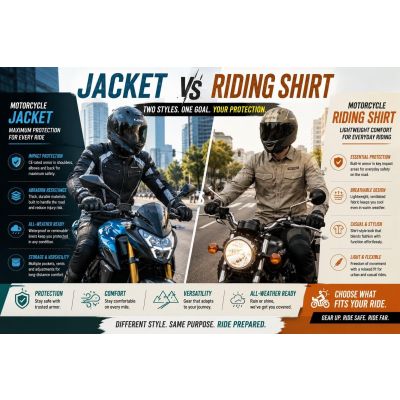
Abrasion-resistant materials include leather (typically cowhide or full-grain leather), textile blends with Cordura or Kevlar, or hybrid constructions that combine leather panels with reinforced textile. Thicker leather and multi-ply textile layers resist tearing longer than thin, single-layer materials. The goal is to keep the jacket intact long enough to protect your skin underneath.
For city riding, you do not need the thickest leather available—that is overkill for urban speeds. But you do need material that will not shred on first contact with asphalt. Check the product details or label to understand the material thickness, construction, and abrasion rating if available. Heavier leather and reinforced textile are better suited for frequent low-speed riding than thin, casual fashion leather.
Feature 2: CE-Rated Shoulder and Elbow Armor
CE armor is impact protection that meets European safety standards. CE-rated armor in the shoulders and elbows is the industry standard for protective motorcycle jackets. When you fall or slide, your shoulders and elbows often make first contact with the ground. CE armor is designed to absorb and distribute impact force.
CE armor comes in different levels. Level 1 armor is designed for lower-speed impacts. Level 2 armor is designed for higher-speed impacts and provides more protection. For urban riding at typical city speeds, Level 1 armor is adequate for most riders. Level 2 armor offers extra protection but may add weight or bulk.
Armor placement matters as much as the armor itself. Shoulder armor should cover the top and side of the shoulder where impact typically occurs. Elbow armor should sit directly over the elbow joint, not above or below it. Check that armor pockets are designed to keep armor in place during a crash—it should not shift or slip. Proper fit is essential for armor to work as intended.
Feature 3: Secure Fit in Riding Position
A jacket that fits well in standing position may gap open across your back or shoulders when you lean forward into riding position. Protective jackets must be designed and sized to fit snugly while you are on the bike, not while you are standing still.
When you sit on the bike and lean forward, your torso stretches and your shoulders move forward. A properly fitting urban jacket should not pull up at the back, gap at the waist, or shift when you move. Armor should stay in place. Ventilation openings should align with your body, not gape open. Closures should remain secure without feeling restrictive.
This is why custom sizing or trying a jacket on a test bike is valuable. Standard sizing works for many riders, but body proportions vary. A jacket that fits your chest perfectly may be too long or too short in the torso. Sleeves may be too long or too short for your arm length and riding position. MotoSpeeds offers custom sizing options for riders who need a more precise fit for safety and comfort.
Feature 4: Ventilation for City Heat and Traffic
Stop-and-go traffic in summer heat is uncomfortable in a closed jacket. Ventilation is not a luxury—it is essential for wearing protective gear consistently during warm-weather commuting. A jacket with poor ventilation will make you sweat excessively, which reduces focus and comfort during your ride.
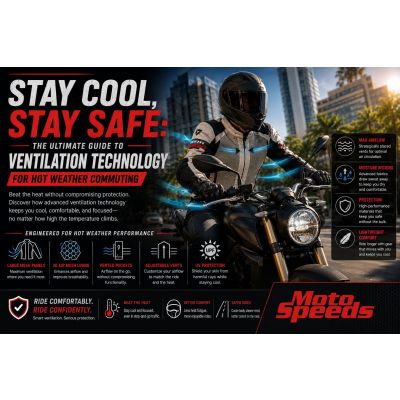
Urban jackets should have ventilation panels or mesh sections in the torso and sleeves that open and close. Zip-open vents allow you to adjust airflow based on speed and temperature. Mesh panels under the arms or across the back provide passive airflow while the jacket stays protective. Some jackets use perforated leather or textile with breathable liners underneath to balance ventilation with abrasion protection.
For city riding, you need ventilation that works at low speeds and during traffic stops. Highway-speed ventilation is less critical for urban use. Test the vents by opening and closing them while wearing the jacket. Make sure they stay open when you want them open and close securely when needed. Functional ventilation keeps you comfortable enough to wear protective gear every ride.
Feature 5: Reflective Panels and Better Visibility
Urban riding means sharing the road with cars, trucks, and drivers who may not be watching for motorcycles. Reflective panels on your jacket make you more visible to other road users, especially in low-light conditions such as dawn, dusk, or night riding.
Reflective materials bounce light from headlights and streetlights back toward the source, making you stand out in darkness. Reflective panels on the shoulders, sleeves, back, and chest are standard on protective urban jackets. Some jackets also include reflective piping or trim along seams and edges.
Reflective panels should be positioned where they will be visible from multiple angles—not just from behind. Shoulder and sleeve reflectives help drivers see you from the side. Back and chest reflectives help with front and rear visibility. The goal is to make you noticeable in traffic without making the jacket look overly technical or uncomfortable for casual riding.
Feature 6: Strong Zippers, Cuffs, and Closures
During a crash or slide, your jacket will experience stress. Zippers must stay closed so the jacket does not flap open or slip off. Cuffs must stay secure around your wrists so the jacket does not ride up and expose your forearms. Waist closures must hold the jacket in place without being so tight they restrict breathing or movement.
Quality zippers are heavier and more durable than cheap alternatives. YKK or similar industrial-grade zippers are standard on protective gear. Dual zippers allow you to open the jacket from the bottom up for ventilation while keeping the top closed for protection. Cuff closures should be adjustable—velcro, snap, or elastic—to fit different wrist sizes and riding positions. Waist adjustment should allow you to cinch the jacket snugly without choking off circulation.
Test zippers by opening and closing them several times. They should move smoothly without catching or jamming. Check that cuffs stay fastened during arm movement. Waist closures should be easy to adjust but secure enough to stay in place during a crash. Weak closures are a common failure point in budget jackets.
Feature 7: Reinforced Stitching and Impact Zones
Stitching holds the jacket together and keeps armor in place. Standard single-stitching is adequate for casual wear but may fail under crash stress. Protective jackets use double-stitching, triple-stitching, or reinforced seams in high-stress areas such as armholes, waist, and cuffs.
Impact zones—areas where your body is most likely to make contact during a crash—should have reinforced construction. Shoulder seams, elbow seams, and back panels often use stronger thread and tighter stitch patterns. Some jackets add extra material or padding in these zones for additional protection.
You can inspect stitching by looking at the seams inside and outside the jacket. Reinforced stitching appears as multiple parallel lines rather than a single thread. Gaps or loose stitches are signs of weak construction. Check seams around armor pockets to ensure armor will not shift if stitching fails partially. Quality stitching is a sign of a jacket built to handle crashes.
Feature 8: Weather Protection for Daily Riding
Urban riders face unpredictable weather. A protective jacket should handle light rain, wind, and temperature changes without requiring a separate rain jacket. Water-resistant or waterproof outer materials and sealed seams keep moisture out. Liners or removable thermal layers help manage temperature in cool or cold weather.
Waterproofing comes in different levels. Water-resistant materials shed light rain and spray but may not handle heavy downpour. Waterproof materials and sealed seams provide more protection in sustained rain. Check the product details to understand the water resistance level and care requirements. Some waterproof finishes require regular maintenance to remain effective.
Removable liners or thermal layers allow you to adjust the jacket for different seasons. A summer jacket with mesh ventilation may not be warm enough for fall or spring riding. Jackets with liner pockets or attachment points let you add insulation when needed. This flexibility extends the usable season for your jacket and reduces the need to buy multiple jackets.
Feature 9: Functional Pockets Without Bulk
Urban riders need pockets for keys, phone, wallet, and small items. Poorly designed pockets can shift, dig into your sides, or create bulges that ruin the jacket fit. Functional pockets should be positioned away from armor zones, secure enough to hold items during riding, and not interfere with jacket fit or comfort.
Interior pockets are safer than external pockets because items stay secure and hidden. Zippered pockets are more secure than open pockets. Pockets positioned on the sides or lower torso are less likely to interfere with shoulder and elbow movement. Avoid jackets with excessive pockets or bulky pocket designs that make the jacket uncomfortable to wear.
Test pockets by placing items in them and moving your arms through a riding position. Items should not shift or fall out. Pockets should not create pressure points or dig into your ribs. The jacket should feel balanced and comfortable with items inside. Functional pockets add practical value without compromising safety or fit.
Feature 10: Upgrade Options for Back and Chest Protection
Shoulder and elbow armor are standard in urban jackets. Back and chest protection are optional upgrades that provide additional coverage in high-impact zones. Back protectors support the spine and ribs. Chest protectors support the sternum and ribs. These upgrades are valuable for riders who want extra protection or who have experienced crashes before.
Back protectors come as removable inserts that slide into a back protector pocket. Chest protectors are built into the jacket or worn as separate armor under the jacket. Not all riders need or want back and chest protection for city riding, but they are available for those who prefer additional coverage.
If you choose back or chest armor, make sure the pocket or attachment point is designed to keep the armor centered and in place. Misaligned armor is less effective. Check the product details for compatibility and fit. Some custom-sized jackets allow you to add back protection during the sizing process.
Common Mistakes Urban Riders Make
Many riders choose jackets based on style or price without checking protection features. A cheap fashion jacket may look like a motorcycle jacket but lack abrasion-resistant material, proper armor, or secure closures. It will fail in a crash.
Other riders buy jackets that fit well standing still but are too tight or too loose in riding position. A jacket that gaps at the back or bunches at the waist will not protect effectively. Always test fit in riding position or choose a brand that sizes for riding position specifically.
Some riders buy jackets without trying on armor fit. Armor that does not fit properly or does not stay in place during movement is less effective. Check that armor sits directly over vulnerable joints and does not shift when you move your arms.
Riders sometimes ignore ventilation and then stop wearing protective gear in summer because it is too hot. A jacket with poor airflow becomes a liability instead of protection. Choose a jacket with functional ventilation for your climate.
Finally, many riders neglect to inspect their jacket after a crash or slide. Even if the jacket looks intact, internal armor or stitching may be damaged. Damaged gear may need inspection, repair, or replacement before it can be trusted for protection again.
Final Buying Advice from MotoSpeeds
Urban motorcycle jackets are an investment in your safety and comfort. The right jacket will protect you in a crash, keep you comfortable in traffic, and work with your riding style for years. The wrong jacket will fail when you need it most.
Start by defining your riding use. Do you commute daily? Ride mostly in summer or year-round? Ride at night? Ride in rain? Your answers will guide which features matter most for your needs. A daily commuter in a cold climate needs different features than a weekend rider in mild weather.
Riders who want better protection for city and road use can explore
for gear designed around safety, fit, and everyday riding comfort.Check the material, armor, fit, ventilation, and closures before buying. Do not assume a jacket is protective just because it looks like a motorcycle jacket. Read product details. Check armor certification. Ask about sizing if you are between sizes. Many riders benefit from custom sizing to ensure armor placement and fit are correct for their body proportions.
For riders comparing real protective gear,
is a useful example of how armor placement, reinforced construction, and fit work together.Remember that protective gear helps reduce risk but does not remove all crash danger. Proper fit, correct armor positioning, and honest assessment of your riding style all matter. A high-quality protective jacket is one part of safer riding—rider behavior, awareness, and training matter equally.
Take time to find a jacket that fits your body, your climate, and your riding style. Wear it on every ride. Inspect it regularly for damage. Replace it if it becomes damaged or worn. Your jacket is your most important piece of protective gear for urban riding.
Frequently Asked Questions
What is the difference between CE Level 1 and Level 2 armor?
CE Level 1 armor is designed for lower-speed impacts and is adequate for most urban riding. Level 2 armor is designed for higher-speed impacts and provides more protection but may add weight or bulk. For city riding at typical speeds, Level 1 armor meets safety standards. Level 2 offers extra protection if you prefer it, but both are protective when properly fitted.
Do I need a waterproof jacket or is water-resistant enough?
Water-resistant jackets shed light rain and spray but may not handle heavy downpour. Waterproof jackets with sealed seams stay dry in sustained rain. For daily urban commuting where you might encounter unexpected rain, waterproof or highly water-resistant is more practical. Check the product details to understand the level of water protection offered.
How do I know if my jacket fits correctly in riding position?
A properly fitting jacket should not gap at the back, pull up at the waist, or shift when you lean forward. Armor should stay in place. Sleeves should reach your wrists without being too long. Test the fit by sitting on a bike or in a riding posture. Standard sizing works for many riders, but custom sizing ensures better fit for riders with different body proportions.
Can I wear a casual leather jacket instead of a protective motorcycle jacket?
Casual fashion leather jackets lack the armor, reinforced stitching, and abrasion-resistant construction of protective motorcycle jackets. They will not protect effectively in a crash. Protective jackets have CE-rated armor, reinforced seams, and materials designed to withstand pavement contact. Fashion jackets are not designed for crash protection and should not be used as protective gear.
How often should I replace my motorcycle jacket?
A well-maintained jacket can last several years. Replace it sooner if the outer material becomes torn or worn, if armor becomes damaged, if stitching fails, or if the jacket no longer fits properly. After a crash or significant slide, inspect the jacket for internal damage. Damaged armor or stitching may require repair or replacement before the jacket can be trusted for protection again.
What is the best material for an urban motorcycle jacket?
Both leather and textile have advantages. Leather is durable and abrasion-resistant but can be stiff and less ventilated. Textile with Cordura or Kevlar is lighter, more flexible, and often more ventilated but may not last as long as thick leather. Hybrid jackets combine leather panels with textile for balance. The best material depends on your climate, riding style, and comfort preference. Check the product details for material specifications and durability ratings.
Do reflective panels really make a difference in traffic?
Reflective panels bounce light from headlights and streetlights, making you more visible to other road users in low-light conditions. They are especially valuable for dawn, dusk, and night riding in urban traffic. While visibility depends on many factors including driver attention and road lighting, reflective gear can help other drivers notice you earlier, which may reduce collision risk.
SEO Metadata
Meta Title: 10 Must-Have Features in Urban Motorcycle Jackets
Meta Description: Learn the 10 essential features in urban motorcycle jackets for city riding safety. Understand CE armor, abrasion resistance, fit, ventilation, and protection.
Short Content: Discover the 10 must-have features in urban motorcycle jackets designed for city riding, commuting safety, and daily protection.
Meta Keywords: urban motorcycle jackets features, motorcycle jacket safety features, CE armor jacket, abrasion resistant jacket, reflective motorcycle jacket, motorcycle commuting gear, protective jacket, motorcycle ventilation, weather resistant jacket, motorcycle jacket fit
Suggested URL Key: 10-must-have-features-urban-motorcycle-jackets
Suggested Image Alt Text: Urban motorcycle jackets features showing armor placement, reflective panels, and reinforced stitching
Suggested Featured Image Concept: Flat-lay or on-model image of an urban motorcycle jacket with callouts or labels showing key features: CE armor placement on shoulders and elbows, reflective panels on back and sleeves, ventilation zips, reinforced stitching, secure cuffs and waist closure, and functional pockets. Image should show both protective detail and practical urban style.