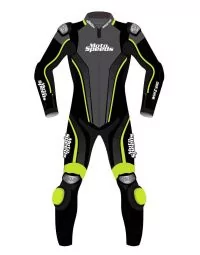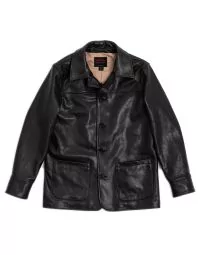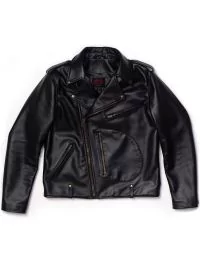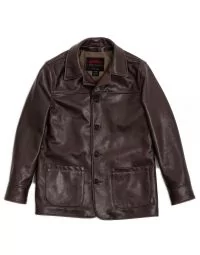
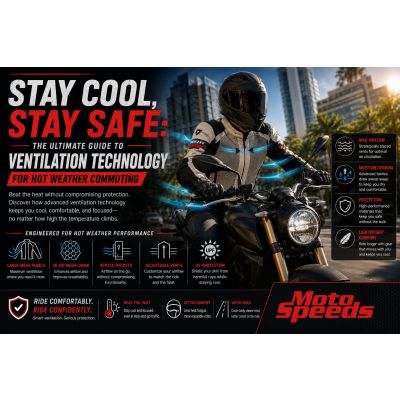
Summer riding brings unique challenges. High temperatures, sweat buildup, and the need for protective gear can feel at odds with each other. Yet staying protected during hot weather commuting is not optional—it is essential. Crashes happen regardless of season, and abrasion injuries do not hurt less in July than in January. Modern motorcycle ventilation technology solves this tension by combining airflow with safety. Ventilated leather jackets, mesh motorcycle gear, and advanced armor systems let riders stay cool without sacrificing the impact protection, abrasion resistance, and reinforced construction that matter most when things go wrong.
Quick Answer
Ventilation technology in motorcycle gear uses mesh panels, perforated leather, and strategically placed vents to increase airflow while maintaining protective coverage. Ventilated racing suits and jackets cool the rider during hot rides by allowing air to pass through the garment, reducing heat buildup. However, ventilation does not reduce the gear's ability to resist abrasion or protect against impact—modern protective gear achieves both airflow and safety through smart design. Riders should check that armor stays properly positioned and that seams, zippers, and reinforced zones remain intact for full protection, especially in ventilated designs.
Table of Contents
- What Ventilation Technology Means for Rider Safety
- Why Ventilation Matters on the Road and Track
- How Ventilation Helps During a Crash or Slide
- What Riders Should Check Before Buying Ventilated Gear
- Common Mistakes Riders Make with Ventilated Gear
- How Fit, Comfort, and Protection Work Together
- Frequently Asked Questions
- Final Thoughts and Next Steps
What Ventilation Technology Means for Rider Safety
Ventilation in motorcycle gear refers to the strategic use of mesh panels, perforated leather, and open vents to allow air circulation through the garment while riding. Unlike standard solid leather jackets, ventilated designs feature cutouts, mesh inserts, or perforated sections that let wind pass through the material. This reduces heat buildup, keeps sweat from pooling, and makes long summer rides more comfortable.
The key misconception is that ventilation weakens protection. It does not. Modern ventilated leather jackets and mesh motorcycle gear are engineered to maintain the same abrasion resistance, impact absorption, and reinforced seam strength as non-ventilated gear. The difference is airflow, not safety.
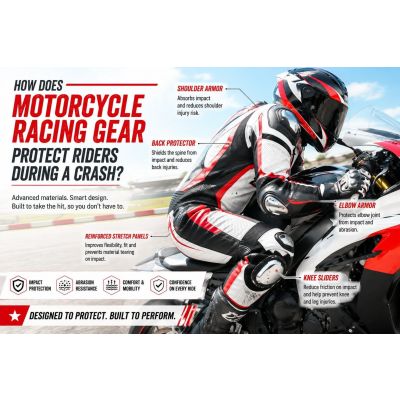
Ventilation works because protective gear does not need to be solid to be effective. A mesh panel made from abrasion-resistant synthetic material stops sliding just as well as solid leather, provided the material itself meets the required standards. The armor—the CE-rated shoulder, elbow, and back protectors—sits beneath the outer shell, whether that shell is solid or ventilated. Airflow passes through the mesh or perforations; the armor does its job regardless.
Why Ventilation Matters on the Road and Track
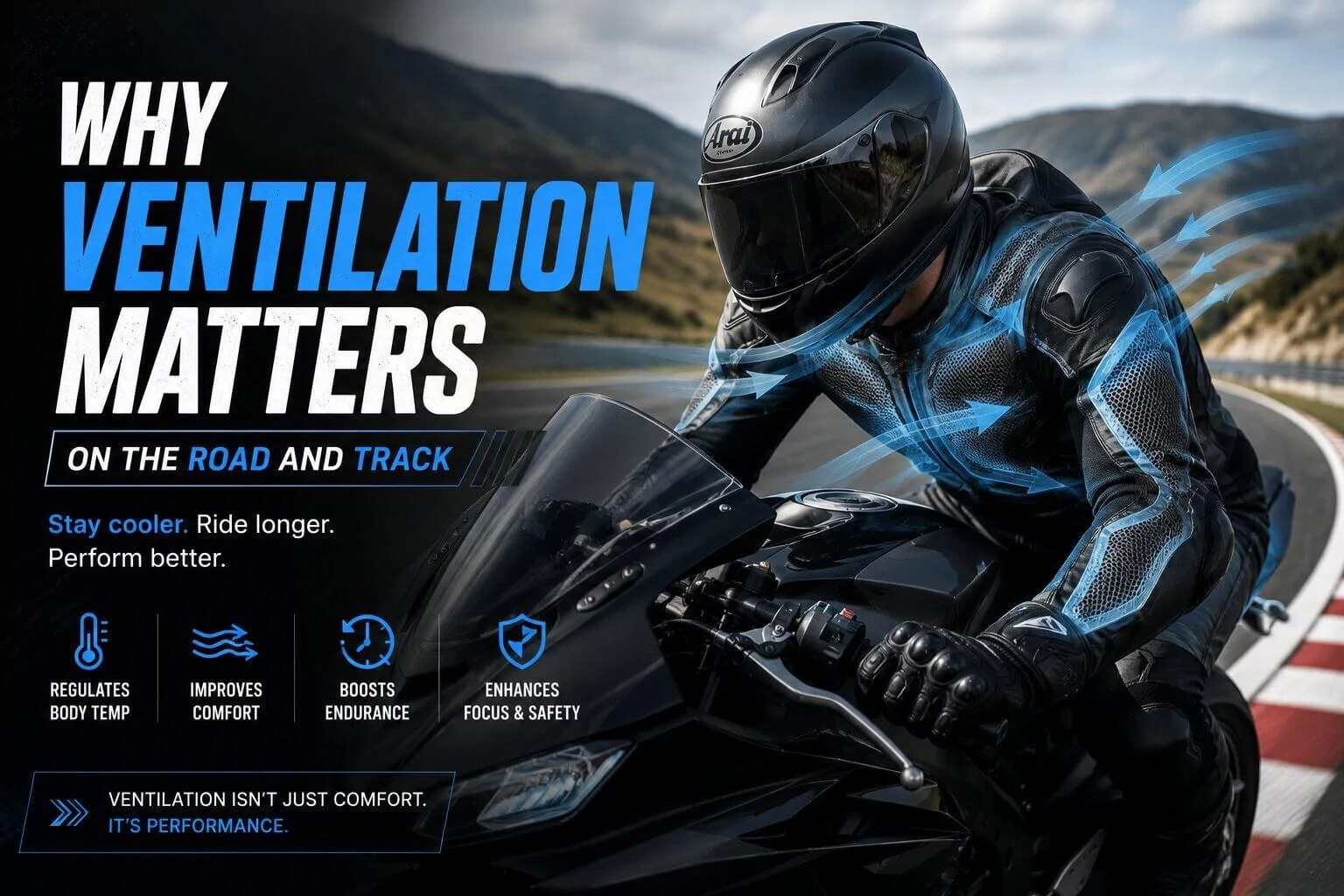
Heat management directly affects rider safety. When a rider overheats, fatigue sets in faster. Concentration drops. Reaction time slows. On a track, this means slower lap times and higher crash risk. On the street, it means delayed responses to traffic, reduced focus on hazards, and poor decision-making. Staying cool is a safety factor, not just a comfort factor.
Summer commuting presents a specific challenge. City riders often deal with slow traffic, stop-and-go riding, and minimal airflow. Even at highway speeds, peak summer temperatures can make a sealed leather suit feel unbearable. Riders facing this choice—suffer through overheating or ride in unsafe street clothes—often choose the latter. Ventilated gear removes that false choice. It lets riders stay protected and cool.
Track-day riders benefit differently. At speed, ventilation becomes less critical because wind provides natural cooling. However, ventilated suits still matter for the pit, the grid, and the time between sessions. A rider who can stay cool and alert during a track day makes better decisions, pushes harder with confidence, and rides more consistently. Sportbike riders on open roads similarly benefit from the ability to manage body temperature without peeling off protective layers.
Riders who want better protection for city and road use can explore our
for gear designed around safety, fit, and everyday riding comfort.How Ventilation Helps During a Crash or Slide
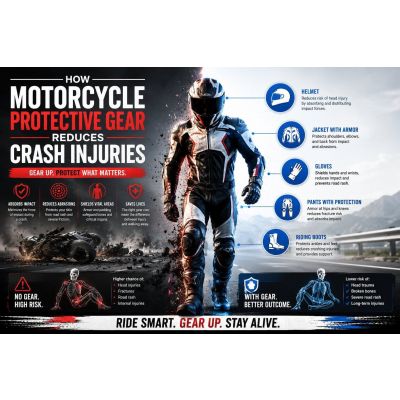
In a crash, ventilation does not change how the gear protects. The armor still absorbs impact. The outer shell still resists abrasion. The seams still hold the garment together. Ventilation simply means the crash protection comes from a design that also breathes.
What matters in a slide is the material quality and the reinforcement in high-impact zones. A ventilated racing suit with reinforced stitching, high-abrasion-resistance panels at the shoulders, elbows, hips, and knees, and properly fitted CE armor will perform the same way as a solid suit with identical materials and armor. The mesh does not fail under abrasion stress if it is rated for abrasion resistance.
The critical factor is armor placement. In ventilated gear, the armor must fit snugly and stay in place during movement and impact. Loose armor or armor that shifts during a crash loses effectiveness. Riders should verify that armor pockets are designed to keep protectors centered and secure. This matters equally in ventilated and non-ventilated gear, but ventilated designs require careful fit to ensure the mesh and armor work together.
After any crash, riders should inspect the gear for damage. Torn mesh, broken zippers, damaged armor, or separated seams all compromise protection. Damaged gear may need repair or replacement. This rule applies to all gear, regardless of ventilation.
What Riders Should Check Before Buying Ventilated Gear
Before purchasing ventilated motorcycle gear, riders should understand what they are buying and how it compares to their needs.
Material and Abrasion Resistance
Check the outer shell material. Ventilated gear uses mesh panels, perforated leather, or a mix of both. Mesh is usually made from synthetic abrasion-resistant materials such as nylon or polyester blends. Perforated leather is genuine leather with holes punched through. Both can meet abrasion resistance standards, but the specific rating depends on the material thickness, weave, and construction. Look for product details that specify the abrasion rating or certification. Thicker mesh and tighter weaves generally offer better abrasion resistance.
Armor Coverage and Certification
Verify that the gear includes CE-rated armor and that armor is placed in all critical zones: shoulders, elbows, back, knees, and hips. Check the product label or manufacturer documentation for the armor standard (EN 1621-1 for limb protectors, EN 1621-2 for back protectors) and the impact level (Level 1 or Level 2). Level 2 armor is tested for higher impact forces than Level 1, though both are protective. Confirm that armor pockets are designed to keep protectors in place during movement and impact.
Garment Classification
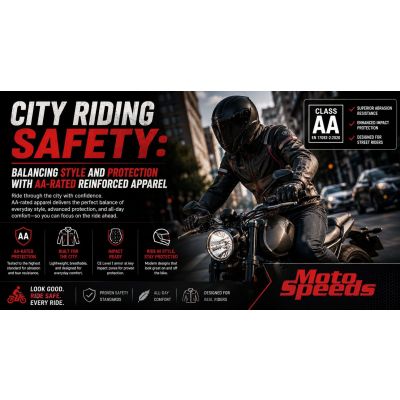
If the gear is labeled with an EN 17092 class (such as AA, A, or B), understand that this rating reflects the whole garment's abrasion resistance, tear strength, and seam strength—not impact protection. The armor provides impact protection separately. An AA-class suit indicates tested abrasion and tear performance, which is valuable, but does not replace the need for proper armor. Check the product details for the specific EN 17092 class and what it means for your riding style.
Fit and Mobility
Ventilated gear must fit correctly to work. Try the suit on in a riding position. Move your arms, twist your torso, and check that the armor stays centered. Mesh panels should not shift or ride up. Zippers should operate smoothly. Seams should feel strong and aligned. Poor fit compromises both comfort and protection. If standard sizes do not fit well, consider custom sizing to ensure the gear stays in place during riding and crashes.
Vent Placement and Design
Not all ventilation designs are equal. Some suits have large mesh panels on the chest and back; others use smaller vents on the sides. Understand where the vents are and whether they align with your typical riding position and airflow needs. A suit with vents only on the back may not cool effectively in city traffic. A suit with full-front mesh may offer more cooling but less wind protection at highway speeds. Choose vent placement that matches your riding environment.
Common Mistakes Riders Make with Ventilated Gear
Assuming Ventilation Means Less Protection
The first mistake is believing that mesh gear is weaker than solid leather. It is not, provided the materials and construction meet the same standards. A ventilated suit with reinforced seams and proper armor is as protective as a solid suit with the same armor and construction. The cooling benefit does not come at a safety cost.
Ignoring Armor Placement and Fit
Riders sometimes buy ventilated gear without checking armor placement or ensuring a tight fit. Loose armor or armor that moves during riding reduces effectiveness. In ventilated designs, the armor must be secured in pockets designed to keep it centered. Sloppy fit is a real problem, not a minor inconvenience.
Choosing Ventilation Over Abrasion Resistance
Some riders prioritize cooling so heavily that they choose gear with lower abrasion ratings. A suit that breathes beautifully but has weak seams or thin mesh offers less protection in a slide. Balance cooling with abrasion resistance. Look for gear that achieves both.
Forgetting About Wind Protection
Ventilation lets wind through—that is the point. However, at highway speeds, constant wind can cause fatigue and heat loss. Riders who spend hours on the highway may find that a fully ventilated suit is too drafty, even in summer. Consider a suit with vents in strategic zones rather than full-front mesh, or plan to layer with a wind-blocking jacket over the ventilated suit for longer rides.
Not Checking Zippers and Seams
Ventilated gear relies on quality zippers and reinforced seams to stay together. Broken zippers, torn seams, or weak stitching compromise both cooling and protection. Always inspect the construction before buying. Feel the seams, test the zippers, and check that stitching is tight and even.
How Fit, Comfort, and Protection Work Together
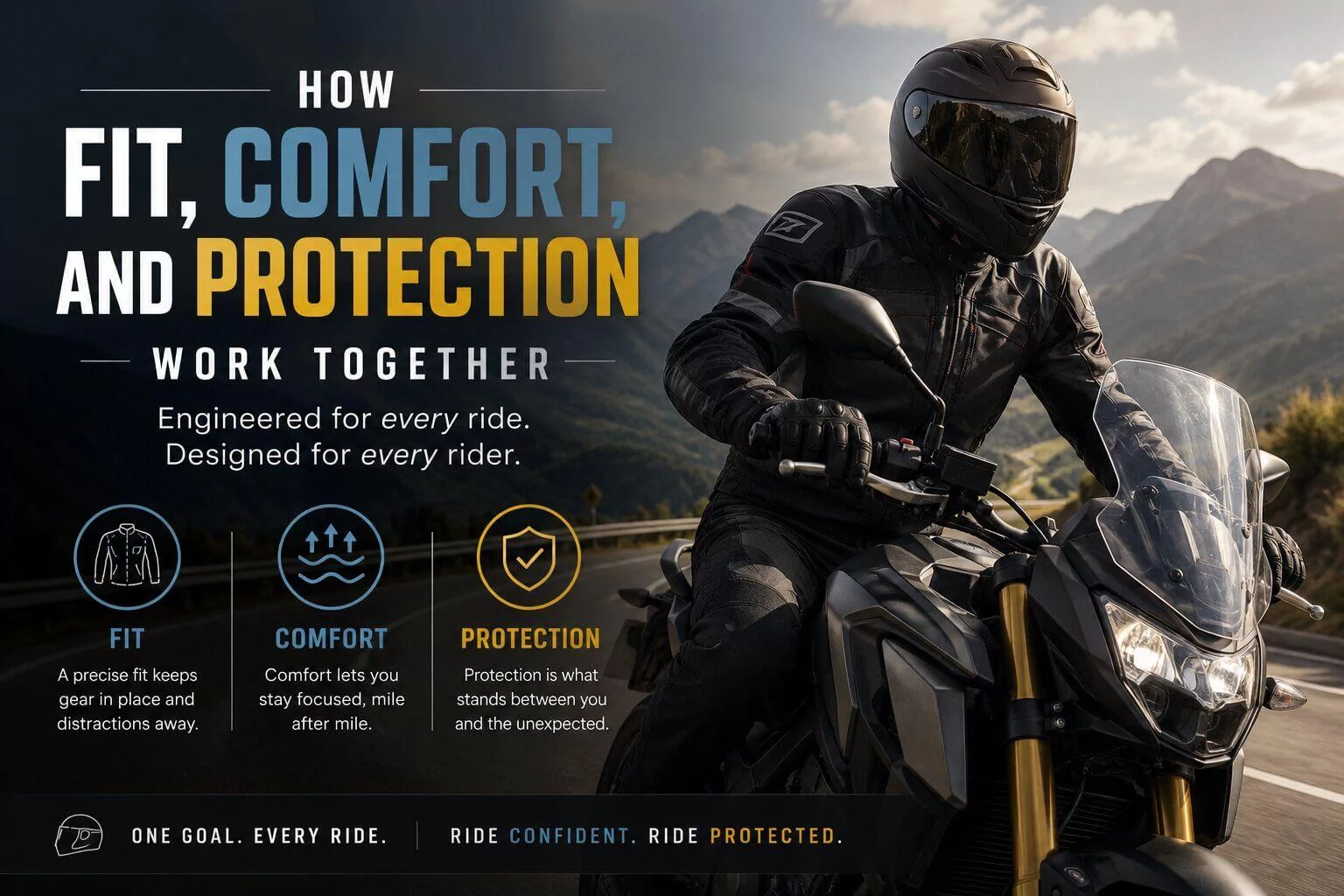
Protection is not a solo feature. It depends on fit, comfort, and rider behavior working in concert.
Fit Determines Protection
Armor only protects if it stays in the right place. A suit that is too loose allows the armor to shift during a crash. A suit that is too tight restricts movement, causes discomfort, and encourages riders to remove it or wear it unzipped. Custom sizing ensures that the armor stays centered over vulnerable zones and that the rider can move freely. For ventilated gear, fit is especially critical because the mesh and armor must work together seamlessly.
Comfort Drives Compliance
A rider who is miserable in their gear will eventually stop wearing it or wear it improperly. Ventilation improves comfort by reducing heat stress, which means riders are more likely to wear full protective gear consistently. This is a significant safety benefit. A suit that keeps the rider cool and comfortable is more likely to be worn on every ride, in every season.
Movement and Flexibility
Protective gear must allow the rider to move naturally on the bike. Restricted movement leads to fatigue, poor control, and slower reactions. Ventilated suits with stretch panels and ergonomic design support natural movement while maintaining protection. Test the suit in a riding position before buying. Can you reach the handlebars? Can you turn your head? Can you shift your weight? If movement feels restricted, the suit is not right for you.
Layering for Versatility
Ventilated gear shines in summer, but many riders want one suit for multiple seasons. Layering a ventilated suit with a wind-blocking jacket or thermal liner allows it to work in spring and fall as well. This versatility makes ventilated gear a smart investment for year-round riders who want cooling in summer without buying multiple suits.
Frequently Asked Questions
Can ventilated motorcycle gear provide the same protection as solid leather gear?
Yes, if the materials and construction meet the same standards. Ventilated gear uses mesh or perforated materials that are tested for abrasion resistance, just like solid leather. The armor—the CE-rated impact protectors—is the same in both ventilated and non-ventilated suits. What differs is airflow, not safety. A ventilated suit with reinforced seams and proper armor offers the same protection as a solid suit with identical armor and construction. The cooling benefit comes without a protection penalty.
What does the EN 17092 rating mean for ventilated gear?
EN 17092 is a standard that classifies whole garments (jackets, trousers, suits) into classes based on abrasion resistance, tear strength, and seam strength. Classes range from AAA (highest) to C (lowest). This standard applies to all materials—leather, mesh, and synthetics. An AA-class ventilated suit indicates that the mesh and seams have been tested and rated for abrasion and tear performance. However, EN 17092 does not measure impact protection. Impact protection comes from the CE-rated armor (EN 1621), which is tested separately. Check the product label for both the EN 17092 class and the armor certification.
Will ventilated gear keep me cool enough for city riding in summer?
Ventilated gear reduces heat buildup significantly, but cooling depends on airflow and speed. At highway speeds, wind provides natural cooling. In city traffic with stop-and-go riding and minimal airflow, ventilated gear helps but may not feel as cool as riding in street clothes. However, ventilated gear is far superior to solid leather in summer city riding. If you need maximum cooling in traffic, look for suits with large mesh panels on the chest and back, and consider vents on the sides. Test the suit at your local dealer or ensure the return policy allows you to verify cooling performance.
How do I ensure the armor stays in place in ventilated gear?
Proper fit is essential. The suit must fit snugly so that armor pockets keep protectors centered. Try the suit on in a riding position and move your arms, twist your torso, and shift your weight. The armor should not move or shift. If it does, the suit does not fit well. Consider custom sizing if standard sizes do not provide a secure fit. Also, check the product details to confirm that armor pockets are designed to secure protectors. Quality armor pockets have elastic or velcro straps that hold the protector in place during movement and impact.
Can I wear ventilated gear in spring and fall, or only in summer?
Ventilated gear is most comfortable in summer, but you can wear it in spring and fall by layering. A thermal liner or a wind-blocking jacket worn over the ventilated suit traps heat and reduces airflow, making it suitable for cooler temperatures. This versatility makes ventilated gear a smart investment for year-round riders. However, at very cold temperatures, a dedicated winter suit with insulation may be more practical. Plan your layering strategy based on your climate and riding schedule.
What should I do if my ventilated gear gets damaged in a crash?
Inspect the gear thoroughly. Check for torn mesh, broken zippers, damaged armor, or separated seams. Torn mesh or broken zippers compromise airflow but do not necessarily reduce protection if the armor and reinforced zones are intact. However, damaged armor or seams that have separated require repair or replacement. Many manufacturers offer repair and servicing. Contact the maker or a local leather repair specialist to assess the damage. If the armor is damaged, it may need replacement before the suit is safe to wear again.
Is mesh motorcycle gear better than perforated leather for ventilation?
Both offer ventilation, and both can meet abrasion resistance standards. Mesh is usually lighter and more breathable. Perforated leather offers a more traditional look and often feels more durable. The choice depends on your preference and specific product quality. Check the abrasion rating and material thickness for both options. A high-quality mesh suit may offer better ventilation than a thin perforated leather suit, and vice versa. Test or review both types to see which feels right for your riding style and climate.
Final Thoughts and Next Steps
Ventilation technology solves a real problem for summer riders: the need to stay cool without sacrificing protection. Modern ventilated leather jackets and mesh motorcycle gear combine airflow with the abrasion resistance, impact protection, and reinforced construction that matter in a crash. The key is understanding that ventilation and protection are not opposing forces—they are complementary when the gear is designed, fitted, and maintained correctly.
To make a safer buying decision, prioritize fit first. A suit that fits well keeps armor in place and allows natural movement. Check the abrasion rating and armor certification before buying. Understand where the vents are and whether they match your riding environment. And remember that ventilation is a cooling feature, not a safety guarantee. The armor, the reinforced seams, and the material quality are what protect you in a crash.
For riders comparing real protective gear and how armor placement, reinforced construction, and fit work together, explore our
to see how ventilation and protection combine in practice. MotoSpeeds builds ventilated racing suits and protective gear designed for riders who want to stay cool, stay comfortable, and ride with a better understanding of how ventilation technology supports safer riding decisions.