Motorcycle riders invest in protective gear to reduce injury risk during a crash or slide. Yet many riders unknowingly make mistakes that undermine their protection. From choosing the wrong fit to ignoring armor placement, these errors can mean the difference between a safer outcome and a more serious injury. Understanding the most common motorcycle gear mistakes helps you make smarter buying decisions and wear your gear more effectively on the street or track.
Quick Answer
The most common motorcycle gear mistakes include buying the wrong size, ignoring armor placement, choosing comfort over protection, neglecting reinforced seams and abrasion resistance, failing to inspect gear before riding, skipping essential items like gloves and boots, and not understanding safety ratings. Each mistake reduces how well your gear protects you during a crash. Proper fit, correct armor positioning, and choosing gear with tested abrasion and impact protection work together to support safer riding.
Table of Contents
- Why Fit and Sizing Are Critical to Protection
- How Armor Placement Affects Impact Protection
- Choosing Between Comfort and Protection
- Understanding Material Quality and Abrasion Resistance
- Pre-Ride Inspection and Maintenance Mistakes
- Incomplete Gear: The Missing Pieces
- Practical Buying Advice for Safer Gear Choices
Why Fit and Sizing Are Critical to Protection
One of the biggest mistakes riders make is buying motorcycle gear that does not fit correctly. A loose jacket shifts during a crash, leaving unprotected skin exposed. Tight gear restricts movement and makes riding uncomfortable, so riders take it off or wear it improperly. Neither scenario provides the protection you need.
Proper fit means the gear stays in place when you move on the bike and during a slide. Your shoulders, elbows, and knees should align with the armor pockets. Seams should sit at your natural joints, not above or below them. Sleeves should reach your wrists without bunching, and the waist should sit at your natural waist, not ride up when you lean forward.
Many riders buy standard sizing without trying gear on or considering custom options. Off-the-rack sizes work for some riders, but not all bodies fit into small, medium, or large categories. If you have a longer torso, shorter arms, or a larger build, standard sizes may leave gaps between your body and the armor. This is where custom sizing becomes valuable—it ensures the armor covers the right impact zones and stays in place during a crash.
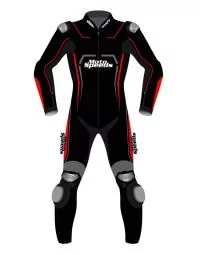
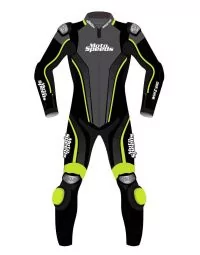
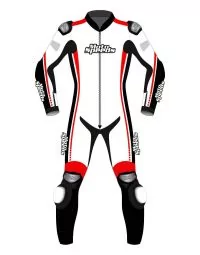
City riders, track-day riders, and sportbike riders all benefit from proper fit. A racing suit that moves with your body during aggressive cornering keeps you safer than one that pulls or twists. A street jacket that fits correctly encourages you to wear it on every ride, not just long trips.
How Armor Placement Affects Impact Protection
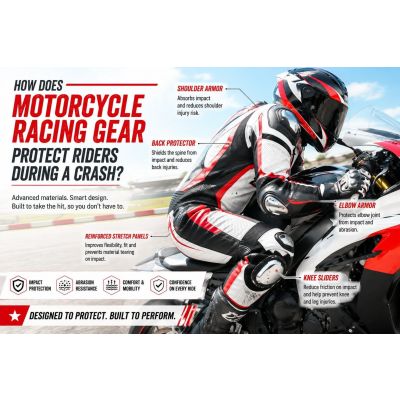
Armor only protects you if it covers the right areas and stays in the correct position. Many riders do not realize that armor can shift out of place during a crash or after repeated wear. Shoulders, elbows, knees, and hips are the primary impact zones during a slide. If the armor has moved or if your gear does not have armor in these zones, you lose critical protection.
CE-rated armor is tested under EN 1621 standards for impact performance. Level 1 armor absorbs impact energy for moderate crashes. Level 2 armor is tested at higher impact speeds and offers more protection. However, the rating only applies if the armor is positioned correctly on your body. Armor that sits too high, too low, or has shifted sideways does not protect the impact zone it is meant to cover.
Check your gear's product details or the label to see where armor is installed. Make sure the pockets align with your joints when you wear the gear. After a crash or slide, inspect the armor to see if it has moved. Some riders do not realize their armor has shifted until they review photos or video from a crash. Back protection is another area riders often overlook. A separate back protector or integrated back armor in a suit provides additional coverage during impacts that compress the spine.
Riders who wear multiple layers sometimes forget that armor placement changes with each layer. Wearing a protective jacket over a base layer or under another jacket can shift the armor out of alignment. Test your full riding setup before heading to the track or a long ride.
Choosing Between Comfort and Protection
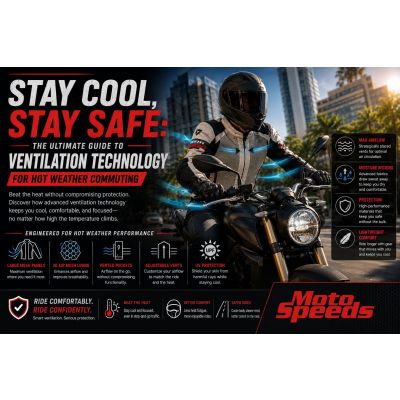
Many riders choose comfort over protection and later regret it. A lightweight mesh jacket feels great on a hot summer ride but offers less abrasion resistance than a leather suit. Thin gloves improve grip and feel but provide less impact protection than reinforced racing gloves. This trade-off is real, but it does not have to be all-or-nothing.
The mistake is not choosing comfort—it is choosing comfort without understanding what protection you are losing. A city rider who commutes in summer heat may prefer mesh gear with good ventilation. That is a valid choice if you understand that mesh gear typically has lower abrasion ratings than leather and may require more frequent replacement after a crash. A track-day rider who wants protection over comfort will choose leather or reinforced textile gear even if it feels heavier.
Modern gear design has improved this balance. Many leather suits now include stretch panels for better movement. Some protective jackets use ventilated leather or mesh inserts to improve airflow without sacrificing abrasion resistance. Gloves come in different weights and materials. Boots designed for street riding offer protection without the bulky feel of racing boots. Understanding your riding environment and your priorities helps you find gear that feels wearable and still provides meaningful protection.
The real mistake is buying gear that feels so uncomfortable you avoid wearing it. A suit that restricts your movement or feels too hot encourages you to ride in regular clothes or skip protective gear entirely. Uncomfortable gear is worse than no gear, so finding the right balance between protection and comfort for your riding style matters.
Understanding Material Quality and Abrasion Resistance
Not all leather is the same, and not all protective gear is made equally. Riders often assume that any leather jacket provides good protection, but leather quality, thickness, and construction vary widely. Thin leather, weak seams, and poor stitching offer less protection during a slide than thick, reinforced leather with strong seams.
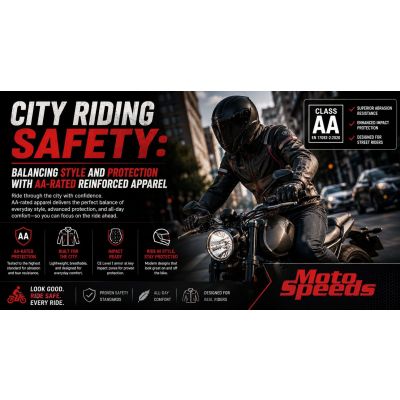
EN 17092 is the current standard that rates protective garments (jackets, trousers, suits) into classes based on abrasion resistance, tear strength, and seam strength. The classes are AAA, AA, A, B, and C, with AAA being the highest. An AA-rated suit has been tested to resist abrasion and tearing under specific conditions. However, this rating applies regardless of material—leather, textile, and mesh gear can all be tested and rated under EN 17092. The class indicates how well the material and construction resist wear, not whether the gear is leather or textile.
Many riders mistakenly believe that leather is automatically better than textile or mesh. In reality, a well-constructed textile suit with reinforced seams and an AA rating may provide better abrasion protection than a thin leather jacket with poor stitching. The material matters less than the overall construction, seam quality, and tested abrasion performance.
Check the product details or label to see the EN 17092 class rating. Look for reinforced stitching, particularly at the seams where stress concentrates during a slide. Examine the leather or textile thickness and quality. Ask the manufacturer about material sourcing and construction methods. Riders who invest in higher-rated gear and understand the standards behind it make safer choices.
Pre-Ride Inspection and Maintenance Mistakes
Many riders put on their gear without checking it first. Zippers fail, seams tear, and armor shifts out of place over time. A quick pre-ride inspection takes two minutes and can catch problems before you ride.
Check that all zippers work smoothly and close completely. Look for tears, holes, or worn spots in the leather or textile. Feel the armor pockets to make sure the armor is still in place and has not shifted. Make sure all velcro straps are intact and secure. Inspect the collar, cuffs, and waistband for damage. If you find damage, decide whether the gear is still safe to wear or needs repair or replacement.
After a crash or slide, inspect your gear carefully. Even if the damage looks minor, the impact may have damaged the armor or weakened seams. Armor that has absorbed impact may need inspection or replacement depending on the severity of the crash. Leather or textile that has been abraded may need professional repair or replacement if the damage is extensive. Do not assume your gear is fine just because it looks okay on the surface.
Store your gear properly to extend its life. Hang jackets and suits on a hanger rather than folding them. Keep them in a cool, dry place away from direct sunlight. Clean leather with appropriate leather cleaner and conditioner. Avoid storing gear in plastic bags, which can trap moisture and damage the material. Proper storage and maintenance help your gear last longer and perform better.
Incomplete Gear: The Missing Pieces
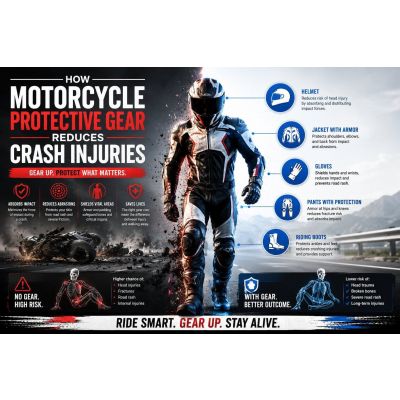
A protective jacket is important, but it is only part of the picture. Riders who skip gloves, boots, or pants are leaving major impact zones unprotected. Hands and feet are among the first things to touch the ground during a crash. Without gloves, your palms and fingers face severe abrasion and impact. Without boots, your ankles and feet are vulnerable.
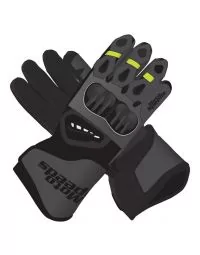
Gloves should fit snugly and cover your wrists. Look for reinforced palms, impact protection on the knuckles, and secure closures that keep them on during a slide. Many riders buy cheap gloves or use regular winter gloves, which offer little protection. Racing gloves with palm sliders and knuckle armor are designed to reduce injury during a crash.
Boots matter just as much as gloves. Street-riding boots should have reinforced ankles, oil-resistant soles, and a shift pad to protect the gear shifter area. Track-day boots need even more protection, including ankle armor and reinforced heel and toe areas. Riders who wear regular shoes or sneakers risk serious ankle and foot injuries during a crash.
Pants or trousers protect your legs during a slide. Many riders wear a protective jacket but regular jeans for pants. Denim offers almost no abrasion resistance compared to leather or reinforced textile pants. A full racing suit covers your entire body, including legs, which is ideal for track riding. For street riding, a protective jacket paired with reinforced pants or a full suit provides better coverage than a jacket alone.
Riders who want better protection for city and road use can explore our
for gear designed around safety, fit, and everyday riding comfort.Practical Buying Advice for Safer Gear Choices
Making smarter motorcycle gear choices starts with understanding what you need. A track-day rider needs different protection than a city commuter. A sportbike rider on a road course needs different armor placement than a cruiser rider on city streets. Your riding environment, speed, and risk tolerance should guide your gear choices.
Before buying, try gear on whenever possible. Check the fit in a riding position, not just standing up. Make sure the armor aligns with your joints. Test the movement and flexibility. Ask questions about material quality, construction, and safety ratings. Understand what EN 17092 class you are buying and what that means for abrasion resistance. Check for EN 1621-certified armor and know whether it is Level 1 or Level 2.
Do not assume that the most expensive gear is the best for you. Price does not always reflect protection or fit. A less expensive suit that fits perfectly and has good abrasion ratings may protect you better than an expensive suit that does not fit well. Conversely, the cheapest option is rarely the best value if the material is thin or the seams are weak.
Consider custom sizing if standard sizes do not fit you well. Custom gear costs more but ensures proper fit and armor placement. For riders who spend significant time on the bike, custom sizing is a worthwhile investment in both comfort and protection.
For riders comparing real protective gear, the
shows how armor placement, reinforced construction, and fit work together to support safer riding.Frequently Asked Questions
What does EN 17092 actually measure?
EN 17092 is a safety standard that rates protective garments (jackets, trousers, suits) based on abrasion resistance, tear strength, and seam strength. Garments are classified as AAA, AA, A, B, or C, with AAA being the highest rating. The standard applies to all materials—leather, textile, and mesh—and measures how well the material and seams resist wear during a slide. It does not measure impact protection; that is tested separately under EN 1621 for armor.
Does a higher EN 17092 class guarantee I will not get injured?
No. EN 17092 rating indicates tested abrasion and tear resistance, not injury prevention. A higher class means the gear resists sliding friction better, which reduces abrasion injuries. However, no gear rating prevents injury entirely. Proper fit, correct armor placement, your riding speed, and the angle of impact all affect whether you are injured during a crash. The rating is one factor in safer gear, not a guarantee of safety.
Should I choose comfort or protection?
You should choose gear that balances both. Gear that is too uncomfortable will discourage you from wearing it, which is worse than wearing less protective gear consistently. Modern protective gear has improved comfort without sacrificing protection. Find gear that fits well, feels wearable for your riding environment, and has good abrasion and impact ratings. If you must choose, prioritize fit and consistent wear over maximum protection in uncomfortable gear.
How often should I replace my motorcycle gear after a crash?
Inspect your gear carefully after any crash or slide. If the damage is minor (small scuffs or scratches), the gear may be safe to wear after cleaning. If the seams are torn, the armor is cracked or has shifted, or the abrasion is deep, the gear should be professionally repaired or replaced. Armor that has absorbed significant impact may need replacement depending on the severity of the crash. When in doubt, consult the manufacturer or a professional gear repair service.
What is the difference between Level 1 and Level 2 armor?
Level 1 and Level 2 are impact protection ratings under EN 1621 standard. Level 1 armor is tested at lower impact speeds and is suitable for moderate crashes. Level 2 armor is tested at higher impact speeds and offers greater impact absorption. Track-day riders and racers often choose Level 2 armor for higher-speed riding. Street riders may find Level 1 adequate, but Level 2 offers more protection if you ride at higher speeds or want extra safety margin.
Why does gear fit matter if the armor is the same?
Armor only protects you if it stays in the correct position during a crash. Loose gear shifts during impact, leaving your body unprotected in areas the armor is meant to cover. Tight gear restricts movement and discourages consistent wear. Proper fit keeps the armor aligned with your joints and impact zones, ensures you wear the gear comfortably on every ride, and provides the protection the gear was designed to offer.
Can I wear regular clothes under my protective gear?
Yes, you can wear regular clothes under protective gear. However, the layer underneath does not add protection. It only affects comfort and temperature. Tight-fitting base layers help keep armor in place. Loose clothing can bunch up under your gear and create pressure points. For long rides, moisture-wicking base layers improve comfort. The protection comes entirely from the outer gear, not what you wear underneath.
Conclusion
Understanding the most common motorcycle gear mistakes helps you make safer, more informed choices. Proper fit keeps armor in place during a crash. Understanding abrasion resistance and impact protection ratings helps you choose gear that performs when you need it. Balancing comfort and protection ensures you wear your gear consistently. Inspecting your gear before every ride catches problems early. Choosing complete gear that includes gloves, boots, and pants protects your entire body, not just your torso.
These lessons apply whether you ride on city streets, long highways, or the track. A sportbike rider, a track-day enthusiast, and a street commuter all benefit from understanding how fit, material quality, armor placement, and safety standards work together. Making smarter motorcycle gear choices reduces injury risk and supports more confident, aware riding. Take time to find gear that fits well, understand the safety features you are buying, and wear it on every ride.