When you're shopping for protective motorcycle gear, you'll notice that premium motorcycle leather costs more than standard options. But what actually makes the difference? Understanding the real distinctions between quality leather gear and basic alternatives helps you make a safer, smarter buying decision—whether you're riding street bikes, track days, or sportbikes.
Premium motorcycle leather isn't just about brand names or aesthetics. It's about construction, abrasion resistance, fit, armor compatibility, and how the gear performs when you need it most. This guide breaks down what sets premium leather apart and why those differences matter for your safety and comfort on the road or track.
Quick Answer
Premium motorcycle leather differs in leather quality, construction methods, abrasion resistance, armor integration, fit precision, and durability. Higher-grade leather resists abrasion longer during slides, reinforced stitching holds seams together under stress, and better armor placement protects impact zones. Premium gear also offers custom sizing, stretch panels for movement, and longer-lasting finishes. These features reduce risk during crashes and improve comfort during regular riding, though fit and riding behavior still matter most for protection.

Table of Contents
- What Premium Motorcycle Leather Means for Rider Safety
- Leather Grades and Abrasion Resistance
- How Premium Armor Placement and Integration Works
- Construction Quality and Reinforced Stitching
- How Fit, Comfort, and Protection Work Together
- When Should Riders Upgrade to Premium Gear?
- Final Buying Advice from MotoSpeeds
What Premium Motorcycle Leather Means for Rider Safety
Premium motorcycle leather is engineered specifically for crash protection. During a slide or impact, your gear is the only barrier between your skin and the road surface. Standard leather wears through quickly. Premium leather is designed to resist abrasion longer, giving your skin more time and distance before the material breaks down.
Abrasion resistance is measured under safety standards like EN 17092, which classifies garments into categories based on how long leather resists wearing away during testing. Premium gear typically achieves higher ratings, meaning thicker leather, tighter weaves, or specialized treatment that extends abrasion protection.
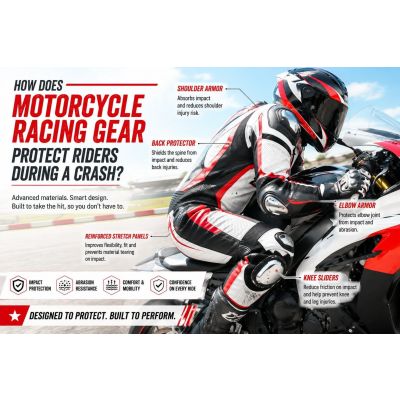
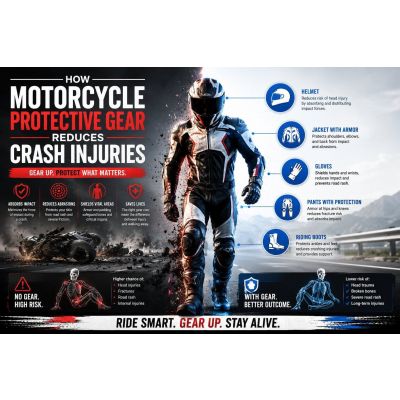
But abrasion resistance alone isn't enough. Premium gear also integrates impact armor—separate protective pads certified under EN 1621—in key zones like shoulders, elbows, knees, and hips. Armor rated Level 1 or Level 2 helps absorb and distribute impact force, reducing injury risk in crash scenarios.
The combination of durable leather, strategic armor placement, and reinforced construction is what separates premium gear from basic protective apparel. It doesn't make riding risk-free, but it does help reduce injury risk when crashes happen.
Leather Grades and Abrasion Resistance
Not all leather is created equal. Premium motorcycle leather is typically sourced from hides that meet strict durability standards. Leather thickness, density, and treatment all affect how long it lasts during a slide.
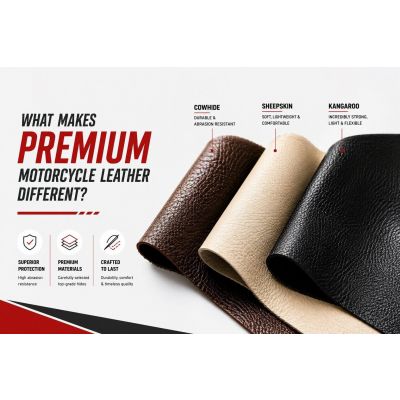
Full-grain leather—the outer layer of the hide with natural markings intact—is generally more durable than split or bonded leather. Premium brands source thicker, denser full-grain hides and often apply specialized finishes that improve abrasion resistance without sacrificing flexibility.
When you compare a budget leather jacket to a premium racing suit, you're often looking at differences in hide quality, thickness, and treatment. Premium leather feels different to the touch—it's usually more supple yet more resilient. It also ages better, developing character over time rather than cracking or peeling.
Check the product label or manufacturer documentation for exact leather specifications. Premium brands usually highlight their leather sourcing and treatment methods because it's a key selling point. If a product doesn't mention leather quality, that's often a sign it's not a premium option.
How Premium Armor Placement and Integration Works
Armor placement is critical. If protective pads shift during a crash, they can't protect the zones they're designed for. Premium gear uses multiple strategies to keep armor in place: internal pockets that hold pads securely, backing panels that prevent sliding, and designs that account for how your body moves on the bike.
Premium armor is also typically thicker and rated higher. Level 2 armor provides more impact protection than Level 1, though it may be slightly bulkier. Premium brands engineer armor integration so you get strong protection without excessive bulk or loss of movement.
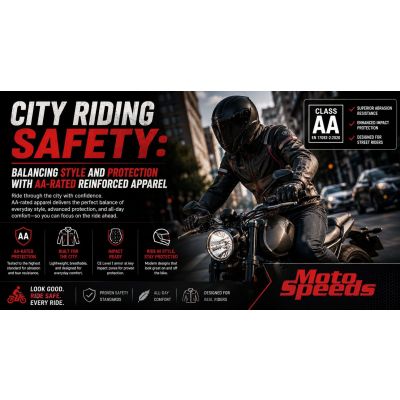
Street riding and track riding have different armor needs. Track gear often features more extensive armor and reinforced panels on high-impact zones. City riding gear may prioritize comfort and visibility while still offering solid protection in common crash areas like shoulders, elbows, and knees.
Riders who want to compare related MotoSpeeds protective gear can explore
for options built around fit, protection, and riding use.Construction Quality and Reinforced Stitching
Seam strength matters in a crash. When your gear slides across asphalt, the seams are under enormous stress. If stitching fails, the leather separates and protection is lost.
Premium gear uses reinforced stitching techniques: multiple thread passes, stronger thread materials, and seam designs that distribute stress across wider areas. You can often see the difference by looking at the seams—premium gear has thicker, more carefully placed stitching than budget alternatives.
The stitching also needs to hold up during normal wear. Riders flex, move, and stretch gear constantly. Poor stitching fails quickly, even without a crash. Premium construction uses thread that resists fraying and seam designs that don't bunch or pull under movement.
Stretch panels in premium gear are also better constructed. These panels use lighter, more flexible materials in areas like armpits, sides, and inner thighs—zones where you need movement on the bike. Premium brands integrate stretch panels without compromising the abrasion-resistant panels in crash zones.
How Fit, Comfort, and Protection Work Together
Fit is inseparable from protection. Armor that doesn't sit correctly can't protect properly. Gear that's too loose shifts during riding. Gear that's too tight restricts movement and becomes uncomfortable, making riders less likely to wear it.
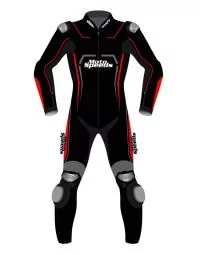
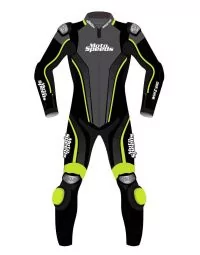
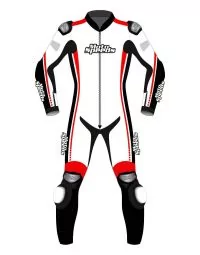
Premium brands invest in fit design. They offer multiple sizes, custom sizing options, and designs that account for different body types and riding positions. A racing suit, for example, is cut to match the posture you hold on a sportbike—arms bent forward, torso angled. Street jackets are cut for a more upright position.
Comfort matters because uncomfortable gear gets left at home. If your protective suit makes long rides painful or restricts movement so much that you can't control the bike safely, it fails its purpose. Premium gear balances protection with wearability.
Summer riding presents specific challenges. Premium lightweight leather and mesh options with reinforced panels and integrated armor help you stay protected without overheating. Winter riding requires thicker, insulated options. Premium brands offer season-specific designs rather than one-size-fits-all solutions.
Custom sizing is a premium advantage. Standard sizes work for many riders, but if you're taller, shorter, wider, or have longer arms, custom gear fits better and protects better. Proper fit means armor stays in place, seams don't strain, and movement is natural.
When Should Riders Upgrade to Premium Gear?
Not every rider needs premium gear for every ride. Your decision depends on riding type, frequency, and risk tolerance.
Track-day and club racing riders benefit most from premium gear. Higher speeds, repeated slides, and predictable crash patterns make abrasion resistance and armor placement critical. Track riders often accept less comfort for more protection because track riding is intentionally intense.
Sportbike and road racers should prioritize premium racing suits. These riders operate at higher speeds where impact forces are greater. Premium armor and reinforced construction help reduce injury risk in high-energy crashes.
Street riders and city riders can often start with quality mid-range gear. City riding happens at lower speeds with different crash patterns than track riding. A good mid-range jacket with solid armor and reinforced panels offers real protection for urban riding. As you gain experience or increase riding frequency, upgrading to premium options makes sense.
Long-distance riders benefit from premium comfort features like stretch panels, breathable linings, and custom fit. Long rides in premium gear are noticeably more comfortable, and comfort matters when you're riding for hours.
Riders upgrading from basic gear should move to premium options if they've outgrown their current gear, ride more frequently, or want better protection. If your current gear is damaged or doesn't fit well, premium gear with proper fit and protection is a worthwhile investment.
Final Buying Advice from MotoSpeeds
When comparing premium motorcycle leather, focus on these factors:
Leather quality: Look for full-grain leather, check thickness specifications, and ask about sourcing and treatment. Premium brands are transparent about leather quality.
Armor certification: Verify that armor is certified under EN 1621 and check whether it's Level 1 or Level 2. Confirm that armor covers the zones you need for your riding style.
Stitching and seams: Examine seams carefully. Premium gear has thick, even stitching with reinforced stress points. Seams should be straight and tight.
Fit options: Premium brands offer multiple sizes and custom sizing. Try gear on and move in it. Armor should stay in place when you move. Stretch panels should allow natural movement without feeling loose.
Riding-specific design: Choose gear designed for your riding type. Track suits, street jackets, and city gear have different priorities.
Durability features: Look for reinforced high-wear areas, quality zippers, and protective sliders on suits. These details extend gear life.
For riders comparing a real gear example, shows how construction, fit, and protective features can work together.
Premium motorcycle leather represents a real investment in protection and comfort. It lasts longer, protects better, and feels better to wear. But premium doesn't mean one-size-fits-all. The best premium gear is the gear that fits you properly, matches your riding style, and you'll actually wear every time you ride. Take time to find the right fit, check certifications, and understand what protection features matter for your riding.
Frequently Asked Questions
What is the main difference between premium and standard motorcycle leather?
Premium motorcycle leather uses higher-grade hides, thicker materials, and specialized treatments that resist abrasion longer during slides. Premium gear also features reinforced stitching, better armor integration, and more precise fit. Standard gear uses thinner leather, basic stitching, and minimal armor support. Premium leather performs significantly better in crash scenarios, though both can offer protection when properly fitted and maintained.
How long does premium motorcycle leather last?
Premium leather lasts longer during abrasion and resists cracking or peeling during regular use. With proper care—regular cleaning and conditioning—premium gear can remain protective for many years. However, after a crash, even premium gear should be inspected for damage. Damaged leather, torn seams, or compromised armor may need repair or replacement. Lifespan depends on riding frequency, storage, and maintenance.
Is premium leather always better for every rider?
Premium leather offers better protection and durability, but it's not necessary for every rider or every situation. City riders at lower speeds may get adequate protection from quality mid-range gear. Track riders and sportbike riders benefit most from premium options because they face higher speeds and greater impact forces. The best choice depends on your riding type, frequency, and budget.
Can I repair premium motorcycle leather after a crash?
Minor scuffs and scratches can often be cleaned and conditioned. Small tears in non-critical areas can sometimes be patched. However, significant damage—large tears, seam failure, or compromised armor—usually requires professional inspection and may need repair or replacement. After any crash, have your gear checked by a professional. Damaged gear may not protect properly even if it still looks wearable.
What does EN 17092 rating mean for motorcycle leather?
EN 17092 is a safety standard that classifies motorcycle garments into categories (AAA, AA, A, B, C) based on abrasion resistance, tear strength, and seam strength. A higher rating means the leather and seams resist wearing away longer during a slide. However, EN 17092 doesn't measure impact protection—that's covered by a separate standard, EN 1621, which rates armor. Check both ratings when comparing gear.
Does premium leather require special care?
Premium leather benefits from regular care but doesn't require extreme maintenance. Clean gear after riding, especially after exposure to salt, dirt, or moisture. Condition leather periodically to prevent cracking. Store gear in a cool, dry place away from direct heat or sunlight. Check the manufacturer's care instructions—different leather treatments may have specific recommendations. Proper care extends the life and appearance of premium gear.
Should I buy custom-sized premium gear?
Custom sizing is valuable if standard sizes don't fit you well. Proper fit is critical for protection because armor must stay in place and seams shouldn't strain. If you're significantly taller, shorter, wider, or have different proportions, custom gear fits better and protects better. Custom sizing costs more but may be worth it for riders who spend significant time on the bike or need premium protection.