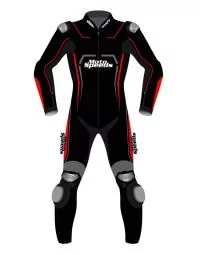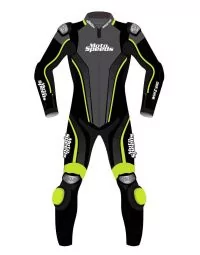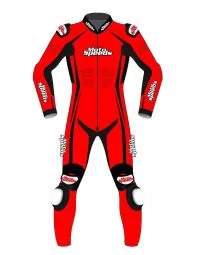
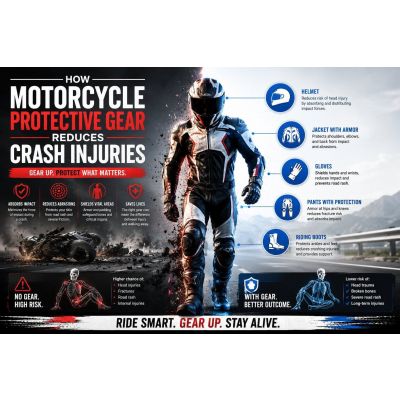
When you're riding a sportbike or heading out for a track day, the difference between walking away from a crash and suffering serious injury often comes down to one thing: what you're wearing. Motorcycle protective gear is your first line of defense when things go wrong on the road or track. Understanding how this gear actually works—and what it can and cannot do—helps you make safer buying decisions and ride with a clearer understanding of your own protection strategy. This guide explains the real safety benefits of motorcycle-protective gear, the features that matter most, and what riders should check before investing in new equipment.
Quick Answer
Motorcycle protective gear reduces injury risk by providing abrasion resistance, impact absorption, and reinforced construction in high-contact zones. Leather and textile suits rated under EN 17092 standards indicate tested durability and tear strength. Separately, CE-certified armor (EN 1621) absorbs impact force at joints and vulnerable areas. Proper fit, correct armor positioning, and full-body coverage all matter. No gear eliminates crash risk entirely, but well-chosen, properly-fitted protective gear significantly reduces the severity of common road and track injuries.
Table of Contents
- What Does Protective Gear Mean for Rider Safety?
- How It Helps During a Crash or Slide
- Abrasion Resistance vs. Impact Protection
- Why Fit and Armor Positioning Matter
- What Riders Should Check Before Buying Gear
- Common Mistakes Riders Make
- Final Buying Advice from MotoSpeeds
What Does Protective Gear Mean for Rider Safety?
Motorcycle protective gear includes leather jackets, racing suits, gloves, boots, and armor panels designed to protect your skin and joints when you slide or crash. The goal is simple: reduce the speed at which your body makes contact with the road, absorb impact energy, and prevent or reduce road rash, fractures, and soft-tissue injuries.
Protective gear works in two main ways. First, abrasion-resistant materials like thick leather or reinforced textile create a barrier between your skin and the pavement. Second, built-in or removable armor pads absorb and distribute impact force across a wider area, reducing the peak force that reaches your bones and joints. Neither approach removes all injury risk—a high-speed crash can still cause harm—but both significantly reduce the likelihood and severity of injury compared to riding unprotected or in street clothes.
Riders who want better protection for city and road use can explore our
for gear designed around safety, fit, and everyday riding comfort.How It Helps During a Crash or Slide
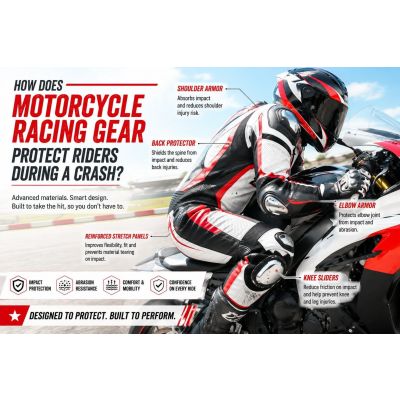
In a real-world slide or low-speed crash, your gear absorbs the first impact. A leather suit or jacket slides across the pavement, building friction and slowing your forward momentum. The leather itself resists tearing and abrasion. Underneath, armor pads compress and absorb the force of impact at your shoulders, elbows, hips, knees, and back—the zones most likely to hit hard during a slide.
On a sportbike or track bike, crashes often happen at higher speeds and steeper lean angles. In these scenarios, a full racing suit with reinforced seams, stretch panels, and CE-certified armor at all major joints becomes critical. The suit stays in place during the slide, the armor remains positioned over vulnerable areas, and the overall construction resists tearing. Street riders and city commuters face different risks: lower speeds, more varied terrain, and sudden stops. A protective jacket, gloves, and boots can prevent serious hand and arm injuries during unexpected slides or collisions.
The key is that protective gear works best when it stays on your body and stays in the right position. Loose gear can shift during a crash, leaving unprotected skin exposed. Damaged armor or torn seams may not absorb impact as designed. After any crash, even a minor one, you should inspect your gear for damage and have it serviced or replaced if needed.
Abrasion Resistance vs. Impact Protection
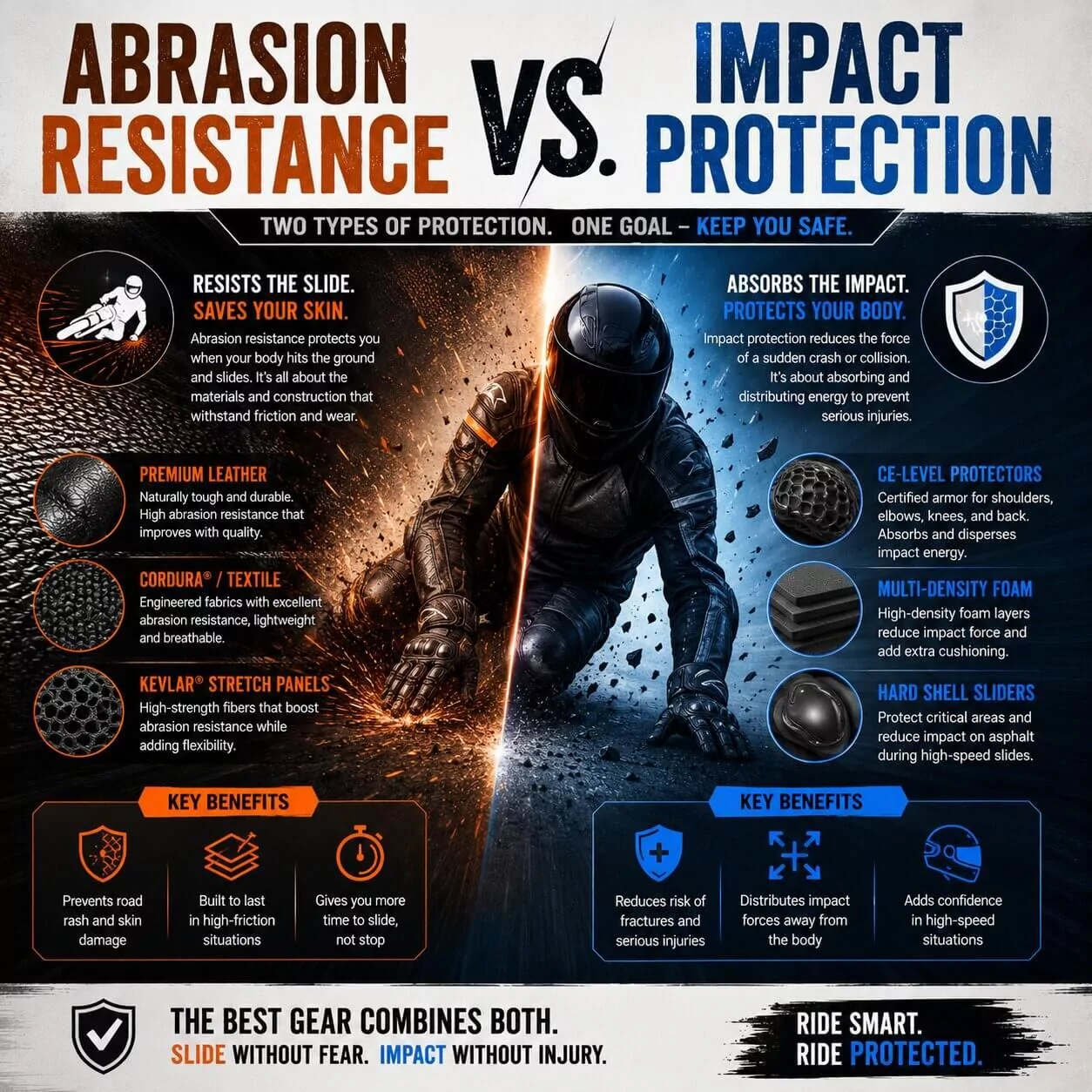
Many riders mix up abrasion resistance and impact protection. They are separate safety functions, and both matter.
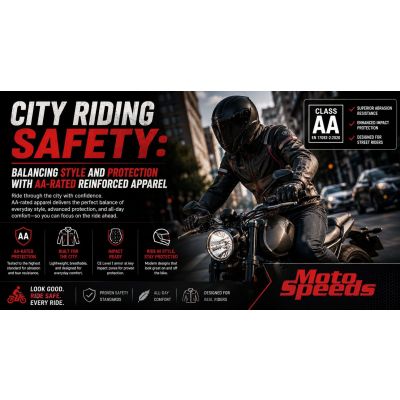
Abrasion resistance is how well a material resists tearing, puncturing, and wearing away when it scrapes against pavement. Leather thickness, textile density, and seam strength all contribute. Whole-garment ratings like EN 17092 classify jackets, trousers, and suits into classes (AAA, AA, A, B, C) based on abrasion performance and tear strength. An AA-class suit, for example, indicates tested abrasion resistance under EN 17092, meaning the leather and seams have been tested to withstand a certain amount of friction before tearing. This protects your skin from road rash.
Impact protection is how well armor pads absorb and disperse the force of a direct hit or collision. CE-certified armor is rated under EN 1621 standards as Level 1 or Level 2 based on the impact energy it can absorb. Level 2 armor is tested at higher impact speeds and absorbs more energy than Level 1. This protects your bones and joints from fractures and soft-tissue damage.
A high abrasion rating does not mean the armor is good at impact protection, and vice versa. You need both: durable material that resists road wear, plus quality armor that absorbs impact. When comparing gear, check the EN 17092 class for the garment and the EN 1621 level for the armor separately.
Why Fit and Armor Positioning Matter
The best protective gear in the world fails if it does not fit correctly. A loose jacket shifts during a crash, leaving your ribs or sides exposed. Armor that sits too high or too low misses the joint it is supposed to protect. Gloves that are too big bunch up and reduce your grip on the bike.
Proper fit means the gear moves with your body on the bike. When you are in your riding position, armor should sit directly over your shoulders, elbows, hips, knees, and back. Seams should align with your natural movement zones. Stretch panels allow you to lean and turn without the suit pulling tight or riding up. Boots should be snug enough that they do not slip down but flexible enough that you can work the shifter and brake pedal.
Custom-sized gear offers the best fit for riders outside standard sizing. A suit that is tailored to your body length, arm length, and torso width ensures armor placement is correct and the suit stays in position during a slide. Off-the-rack gear works well for many riders, but if you are very tall, short, wide, or narrow, custom sizing can be the difference between protection that works and protection that fails because the gear moves.
What Riders Should Check Before Buying Gear
Before you buy protective motorcycle gear, look for these key features:
Leather quality and thickness. Check the product details for leather type and weight. Full-grain leather is more durable than split leather. Heavier leather resists abrasion longer. Ask the manufacturer or retailer for specifics if they are not listed.
Armor coverage and certification. Look for CE-certified armor at shoulders, elbows, hips, knees, and back. Check the product label or documentation for EN 1621 ratings. Verify that armor covers the zones you need most for your riding style.
Seam construction. Reinforced stitching at high-stress zones (shoulders, elbows, hips) resists tearing better than single-stitch seams. Look for double or triple stitching in the product photos or description.
EN 17092 class rating. Check the product details or label for the garment class (AAA, AA, A, B, or C). AA and AAA classes indicate higher abrasion resistance. Lower classes (B, C) offer less protection but may suit casual city riding.
Fit options and sizing. Does the brand offer custom sizing? Can you try the gear on or return it if the fit is wrong? A protective jacket that does not fit is less protective than one that does.
Stretch panels and mobility. For track riders and sportbike riders, stretch panels at the sides, back, and knees allow better movement and comfort without sacrificing protection.
Common Mistakes Riders Make
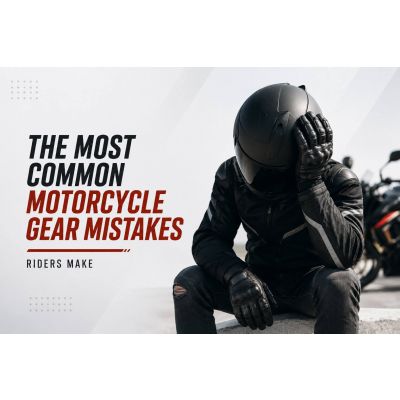
Many riders buy protective gear but do not get the full benefit because of common errors. Choosing gear based on looks rather than fit is one. A cool-looking suit that is too loose or too tight will not protect as well as one that fits your body correctly. Buying armor separately and placing it incorrectly is another. If you add armor after purchase, make sure it sits directly over the joint you want to protect, not above or below it.
Another mistake is not checking armor coverage. Some jackets have shoulder and elbow armor but no back protection. Some suits cover the back but lack hip and knee armor. You need to know what your gear covers and what it does not, so you can ride accordingly and upgrade where needed.
Finally, riders sometimes assume that one piece of gear is enough. A protective jacket is great for upper-body safety, but your legs, hips, and knees are also vulnerable in a crash. A full suit or jacket-and-pant combination offers better all-around protection than a jacket alone. For track riding, a full racing suit is the standard because it protects your entire body.
Final Buying Advice from MotoSpeeds
Choosing the right motorcycle protective gear starts with understanding your riding style and the risks you face. City riders need comfortable, wearable gear that protects high-impact zones but does not overheat in traffic. Sportbike and track-day riders need full-body coverage, high-quality armor, and a fit that keeps everything in place during aggressive riding and slides.
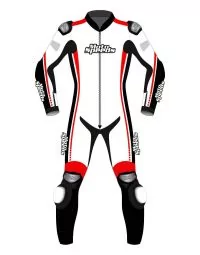
For riders comparing real protective gear, the
shows how armor placement, reinforced construction, and fit work together to reduce injury risk.Do not let cost alone drive your decision. Cheap gear that does not fit or lacks proper armor is a false economy. Invest in a suit or jacket that fits your body, covers the zones you need, and has CE-certified armor rated for impact protection. Check the EN 17092 class to understand abrasion resistance. Ask questions about leather quality, seam construction, and custom sizing options. Try the gear on if possible, or buy from a retailer with a good return policy so you can test the fit on your bike.
Protective motorcycle gear is not a style choice or an optional accessory—it is a core part of your safety strategy. Understanding how abrasion resistance, impact protection, fit, and armor placement work together helps you make smarter buying decisions and ride with a clearer understanding of what your gear can and cannot do. Ride with that knowledge, and you will be better prepared for whatever the road or track brings.
Frequently Asked Questions
What is the difference between EN 17092 and EN 1621 safety ratings?
EN 17092 rates whole garments (jackets, trousers, suits) based on abrasion resistance, tear strength, and seam durability. It classifies gear into classes AAA, AA, A, B, and C. EN 1621 rates the armor itself based on impact absorption and is divided into EN 1621-1 (limb protectors) and EN 1621-2 (back protectors). Armor is rated Level 1 or Level 2 by impact performance. Both standards matter: you need a durable garment (EN 17092) and impact-absorbing armor (EN 1621) for full protection.
Does an AA-rated motorcycle safety suit prevent all injuries?
No. An AA rating under EN 17092 indicates tested abrasion resistance and tear strength, not injury prevention. It means the leather and seams resist tearing and wear better than lower-rated gear. However, a high-speed crash can still cause injury even in AA-rated gear. The suit reduces the risk and severity of road rash and abrasion injuries, but impact injuries depend on the armor inside the suit, your speed, and the force of the impact.
What is the best motorcycle protective gear for city riding?
City riding involves lower speeds, varied terrain, and sudden stops. A protective jacket with reinforced stitching, elbow and shoulder armor, and good fit is essential. Add protective gloves and boots to cover your hands and feet, which often touch the ground first in a slide. A full suit offers more protection, but a quality jacket-and-pant combination or jacket-and-boots setup is practical for commuters who need comfortable, wearable gear. Choose materials and fits that work in your local weather and allow easy movement on the bike.
How do I know if my protective gear fits correctly?
When you are in your riding position on the bike, the suit should feel snug but not restrictive. Armor should sit directly over your shoulders, elbows, hips, knees, and back—not above or below these joints. Seams should align with your natural movement zones. The suit should not ride up your back or shift side-to-side when you move. Sleeves should reach your wrists, and pant legs should cover your ankles. If the fit is off, the gear will move during a crash and leave unprotected areas exposed. Custom sizing ensures the best fit, especially if you are outside standard sizing ranges.
Should I buy a full racing suit or separate jacket and pants?
For track-day and sportbike riders, a full racing suit is the standard because it offers continuous protection from neck to ankles without gaps. The suit stays in place during slides and aggressive riding. For street and city riders, a quality protective jacket with matching pants or a separate pant can work well and offers more flexibility for different riding situations and weather. A full suit is more protective and professional; separate pieces are more practical for everyday riding. Choose based on your riding style, local weather, and how often you ride at speed.
What should I do if my protective gear gets damaged in a crash?
Inspect all gear carefully after any crash, even a minor one. Look for torn leather, punctures, loose seams, and cracked or compressed armor. Damaged armor may not absorb impact as designed and should be replaced. Torn seams or punctures reduce abrasion resistance. Many manufacturers offer repair and servicing for damaged gear. If the damage is extensive, replacement may be safer than repair. Do not assume gear is still protective if it has been in a crash—have it checked by the manufacturer or a professional repair service before wearing it again.
Is textile mesh gear as protective as leather for motorcycle safety?
Modern textile and mesh gear can be rated under the same EN 17092 standards as leather, so an AA-rated textile jacket can have the same tested abrasion resistance as an AA-rated leather jacket. Textile gear offers advantages like better ventilation and lighter weight, making it suitable for warm-weather and summer riding. Leather offers different durability characteristics and is traditional for racing. Both can provide excellent protection if they are properly rated, well-fitted, and equipped with good armor. Choose based on your climate, riding style, and personal preference—the most important factor is that the gear fits well and has proper armor coverage.