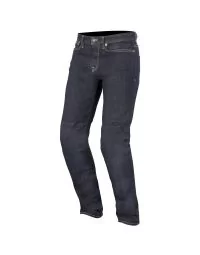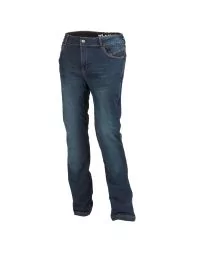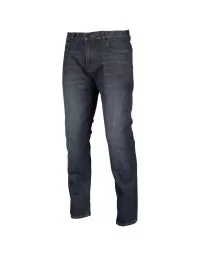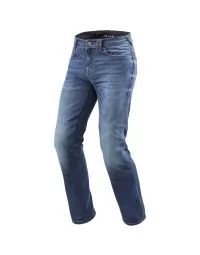
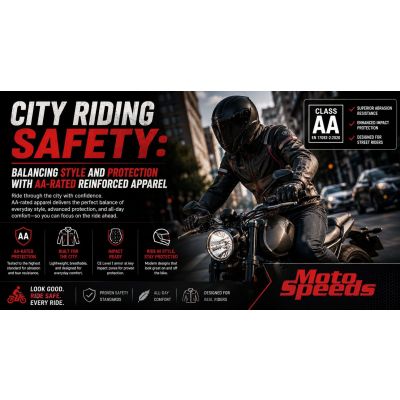
City Riding Safety: Balancing Style and Protection with AA-Rated Motorcycle Gear
Introduction
City riding demands a different kind of protection than track racing. You're navigating traffic, making quick stops, and handling slower speeds—but the risks are real. A sudden car door, a gravel patch, or a low-speed slide can still cause serious abrasion injuries, even if the impact seems minor. That's why choosing AA-rated motorcycle gear matters for urban riders. AA-rated protective apparel indicates tested abrasion resistance and tear strength under EN 17092 standards, meaning the material is engineered to withstand road contact and hold together during a slide. But protection is only part of the equation. Your gear also needs to fit well, move with you on the bike, and feel comfortable enough that you'll actually wear it every ride.
This guide explains what AA-rated motorcycle gear really does, how it compares to other protection levels, and how to choose reinforced protective clothing that works for your city riding style without sacrificing comfort or wearability.
Quick Answer
AA-rated motorcycle gear is classified under EN 17092 standards and indicates strong abrasion resistance, tear strength, and seam durability. The AA class sits in the middle of the protection spectrum (below AAA, above A). For city riders, AA-rated apparel provides a practical balance between protective performance and everyday wearability. However, the AA rating measures abrasion and tear resistance only—impact protection comes from separate armor rated under EN 1621 standards. Proper fit, correct armor placement, and your own riding behavior are equally important to how well the gear performs during a crash or slide.
Table of Contents
- What Does AA-Rated Motorcycle Gear Mean?
- Why Abrasion Resistance Matters More Than Impact in City Riding
- How Reinforced Protective Apparel Helps During a Slide
- What Riders Should Check Before Buying AA-Rated Gear
- Common Mistakes Riders Make When Choosing City Riding Gear
- How Fit, Comfort, and Protection Work Together
- When Should You Upgrade to AA-Rated Protective Wear?
- Frequently Asked Questions
- Final Buying Advice from MotoSpeeds
What Does AA-Rated Motorcycle Gear Mean?
EN 17092 is a European safety standard that classifies protective motorcycle garments—jackets, trousers, suits, and vests—into five classes: AAA, AA, A, B, and C. The class is determined by how well the material resists abrasion, how strong the seams are, and how well the fabric tears under stress. AA is the second-highest class, indicating strong performance in these areas.
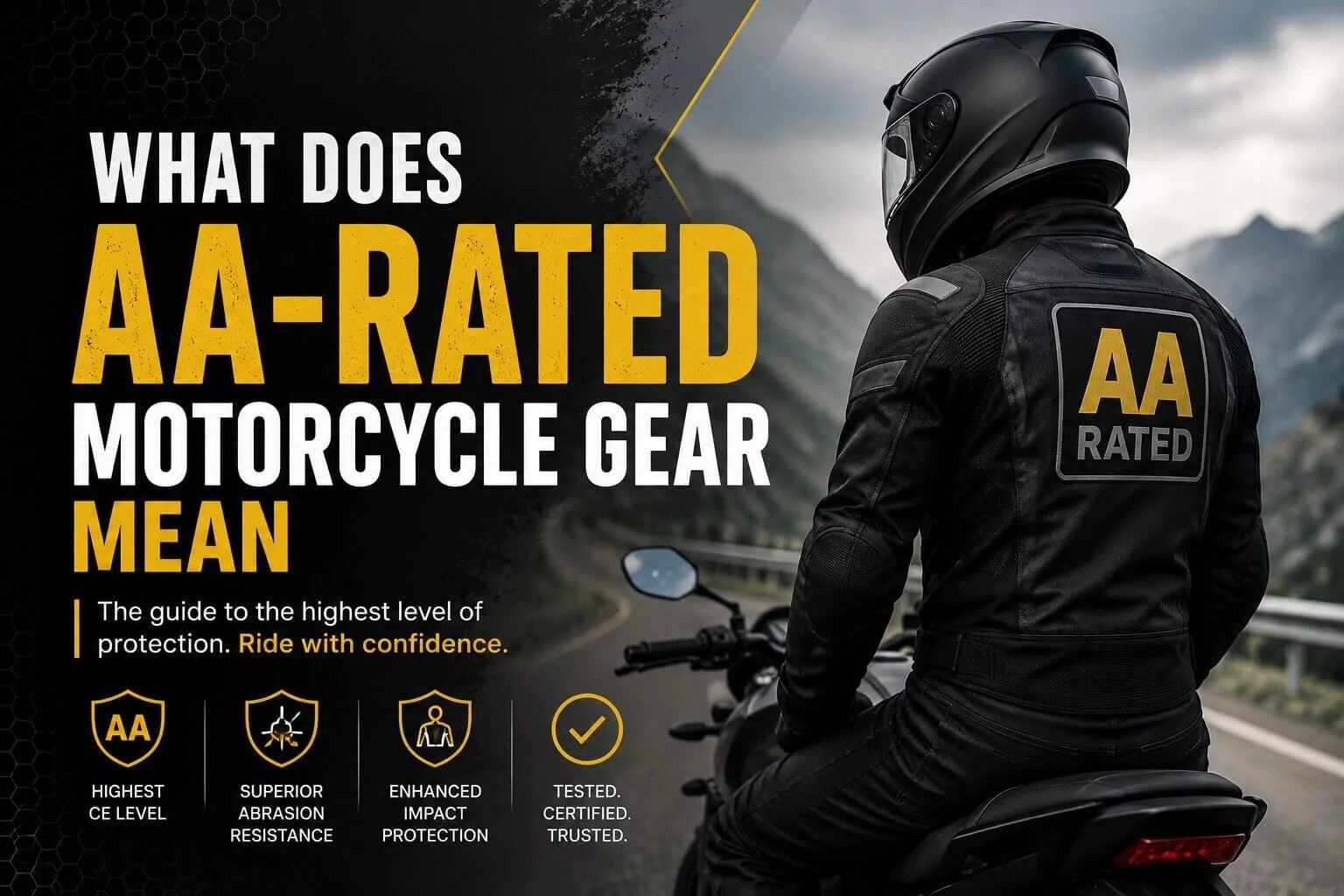
The key thing to understand is that the AA rating does not measure impact protection. It measures how long the material will last during a slide before wearing through, and how well the seams hold the garment together. Impact protection—how well the gear absorbs force from hitting the road or another object—is a separate certification provided by the armor itself, rated under EN 1621 standards (Level 1 or Level 2). Many riders confuse these two standards, thinking AA means the gear will absorb impact better. It doesn't. It means the outer material is durable and resistant to road rash.
For city riders, AA-rated apparel is practical because it offers strong abrasion protection without the extra bulk or cost of AAA-rated racing suits. Most city riding happens at lower speeds, where abrasion risk is often higher than severe impact risk. A 30 mph slide on asphalt can cause serious skin damage even if the fall wasn't a hard impact. That's where AA-rated material shines.
Why Abrasion Resistance Matters More Than Impact in City Riding
City riding is different from track riding. On a racetrack, you're dealing with high-speed impacts and controlled crashes. In the city, you're dealing with traffic, pedestrians, potholes, and unpredictable road conditions. Your crash is more likely to be a low-to-moderate speed slide than a high-impact event.
In a city crash, your body will likely slide across the pavement. During that slide, the road surface will try to wear away your gear and your skin beneath it. Abrasion resistance determines how long your gear lasts before the material breaks down and exposes you. AA-rated material resists this wear better than A-rated material, and AAA resists it even better. But for most city riders, AA is the practical sweet spot.
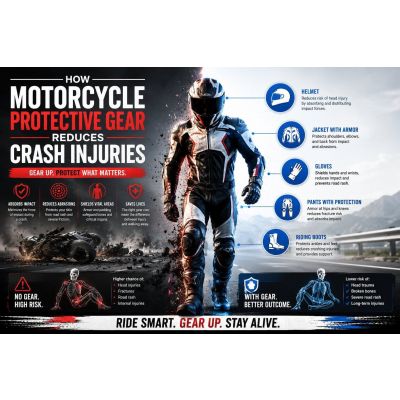
Impact protection is still important—your elbows, shoulders, knees, and back need armor to absorb force. But that armor is a separate component, certified under EN 1621, not under EN 17092. You need both: durable material (AA-rated) and protective armor (EN 1621-certified). One without the other leaves you vulnerable.
How Reinforced Protective Apparel Helps During a Slide
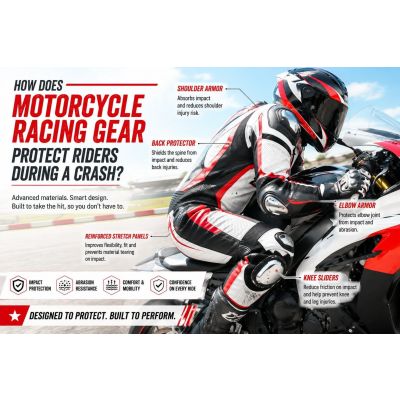
When you slide, your protective apparel works in stages. First, the outer material—typically leather or a textile blend—contacts the pavement. If that material is AA-rated, it resists tearing and wearing away, buying you time before your skin is exposed. The reinforced seams hold the garment together, preventing it from splitting apart and losing coverage. Inside, the armor absorbs impact force and protects your joints and bones.
Think of it like this: the AA rating and reinforced construction are your first line of defense against abrasion. The armor is your second line of defense against impact. Both matter, and both need to work correctly.
In city riding, you're also more likely to experience partial contact—one arm or one leg sliding, rather than your whole body. AA-rated apparel with reinforced panels in high-wear zones (elbows, knees, hips, shoulders) means those areas will hold up longer during a slide. Reinforced stitching keeps seams from splitting when the material is under stress. Sliders—removable or built-in protective caps on high-contact areas—can also extend the life of your gear and reduce damage to your body.
However, no gear prevents injury entirely. Even AA-rated apparel can wear through in a severe or prolonged slide. Armor can be damaged and may need inspection or replacement after a crash. Your riding behavior, speed, and the angle of the slide all affect how much protection you actually get.
What Riders Should Check Before Buying AA-Rated Gear
Before you buy, look for these details on the product label or manufacturer documentation:
EN 17092 Classification: Confirm the garment is labeled AA. Some gear may say "AA-rated" or show the EN 17092 mark. Check the product details or the physical label.
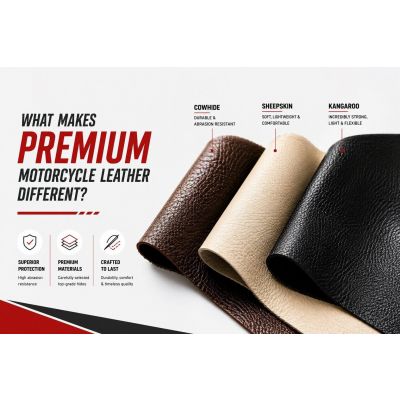
Material Composition: AA-rated gear can be made from leather, textile, or a blend. Leather is common for abrasion resistance, but high-quality textiles with reinforced weave patterns can also achieve AA. Ask what material the jacket or suit uses and whether it's designed for your climate (summer, winter, all-season).
Armor Coverage and Certification: Look for armor in the shoulders, elbows, knees, hips, and back. Each piece should be certified under EN 1621. Check whether the armor is Level 1 or Level 2. Level 2 provides higher impact protection. Confirm that armor is removable or can be serviced if damaged.
Riders who want better protection for city and road use can explore our
for gear designed around safety, fit, and everyday riding comfort.Seam Quality: Reinforced stitching is critical. Check whether seams are single-stitched or double-stitched. Double-stitching or reinforced seams are stronger and more likely to hold during a crash. Examine photos or try on the gear in person if you can.
Fit and Movement: AA-rated apparel only protects you if it fits correctly and stays in place. Armor must stay aligned with your joints. Stretch panels should allow you to move on the bike without the gear riding up or shifting. If the fit is loose or uncomfortable, you're less likely to wear it, and the protection won't work.
Care and Inspection Instructions: Ask the manufacturer how to clean, maintain, and inspect the gear. Some materials require special care. After a crash, you may need to have the gear inspected or serviced before wearing it again.
Common Mistakes Riders Make When Choosing City Riding Gear
Confusing AA Rating with Impact Protection: The biggest mistake is thinking AA means the gear will protect you from impact. It doesn't. AA measures abrasion and tear resistance. Impact protection comes from armor. You need both, and they're two separate certifications.
Buying Gear That Doesn't Fit: A jacket that's too loose will shift during a crash, leaving your joints unprotected. Gear that's too tight restricts movement and causes discomfort, so you'll skip wearing it. Proper fit is non-negotiable for protection to actually work.
Ignoring Armor Placement: Some cheaper gear has armor in only a few zones. For city riding, you want coverage on shoulders, elbows, knees, hips, and back. Armor in the wrong place won't protect you where you need it most.
Choosing Style Over Practicality: City riders often want gear that looks good and works for everyday wear. That's fine, but don't sacrifice fit or armor coverage for looks. A stylish jacket that doesn't fit or lacks proper armor is less protective than a less fashionable option that fits well and has full coverage.
Not Checking for Damage After a Crash: Even minor crashes can damage armor or seams. Gear that looks fine on the outside may have internal damage. After any crash, have your gear inspected. Damaged armor or torn seams should be repaired or the gear replaced.
How Fit, Comfort, and Protection Work Together
Fit is not a luxury—it's a safety feature. If your AA-rated jacket is too large, the armor won't stay over your elbows and shoulders where it needs to be. If it's too small, you can't move freely on the bike, and you'll be tempted to leave it off. Either way, protection fails.
Comfort matters because you're more likely to wear gear that feels good. A jacket that's hot, restrictive, or uncomfortable will sit in your closet. City riding gear needs to work for your climate and your riding style. Summer gear should breathe. Winter gear should insulate. All-season gear should balance both. Stretch panels and articulated designs allow you to move naturally on the bike without the gear fighting you.
Custom sizing is an option if standard sizes don't fit your body well. A jacket that's tailored to your measurements will fit better, move with you more naturally, and keep armor in the right place. For riders who are very tall, very short, or have an unusual build, custom sizing can be the difference between gear that protects and gear that doesn't.
When Should You Upgrade to AA-Rated Protective Wear?
If you're wearing old textile gear without reinforcement, or if your current jacket has no armor or minimal armor, upgrading to AA-rated apparel with proper armor coverage is worth considering. AA-rated gear is more durable and more protective than lower-rated gear.
If you're a beginner buying your first protective suit, AA-rated apparel is a practical starting point. It offers strong protection without the premium cost of AAA racing suits.
If you've had a crash and your current gear was damaged, use it as a reason to upgrade to better gear. After a crash, you know what protection you need and what went wrong. Use that knowledge to choose gear that addresses those gaps.
If you're moving from recreational riding to more frequent city commuting, upgrading to AA-rated gear with full armor coverage is a smart move. You're taking more risks, so your protection should increase.
You don't need to upgrade if your current gear is already AA-rated, fits well, has full armor coverage, and is in good condition. Don't buy new gear just for the sake of it. Buy when your current gear is worn out, damaged, or no longer fits your riding needs.
Frequently Asked Questions
What's the difference between AA-rated and AAA-rated motorcycle gear?
Both AA and AAA are EN 17092 classifications measuring abrasion resistance, tear strength, and seam durability. AAA is the highest class and offers the strongest protection. However, for city riding at moderate speeds, AA is usually sufficient and more affordable. AAA is more common in professional racing suits. The choice depends on your riding speed, frequency, and budget. Check the product details to see which class a specific garment is certified for.
Does AA-rated gear prevent injuries?
AA-rated gear reduces injury risk by resisting abrasion and protecting your skin during a slide. However, it does not prevent all injuries. Severe crashes, high-speed impacts, or slides at extreme angles can still cause serious injury even in AA-rated apparel. Proper fit, correct armor placement, and your own riding decisions all affect how well the gear works. Protective gear is one part of safer riding; rider awareness and skill are equally important.
Can I wear AA-rated gear in summer?
Yes, if the material is designed for summer use. Look for lightweight leather, mesh textiles, or perforated materials that are AA-rated and breathable. Summer-specific gear will have ventilation while maintaining abrasion resistance. Check the product description to confirm it's rated for warm weather. All-season gear is also available and can work year-round if you're willing to accept less breathability in summer.
How do I know if my gear is actually AA-rated?
Check the product label, hang tag, or manufacturer documentation. The label should display the EN 17092 mark and the class (AA, A, B, or C). Some brands print this on the inside of the jacket or suit. If you can't find it, contact the manufacturer or retailer and ask for the certification documentation. Don't assume a gear is AA-rated just because it looks protective or costs more.
Is AA-rated gear waterproof?
AA rating does not address waterproofing. Some AA-rated gear is waterproof, and some is not. Check the product details to see if the material is treated for water resistance or if a waterproof liner is included. Leather can be treated to resist water, and some textiles have waterproof membranes. For city riding in wet conditions, confirm that your AA-rated gear has adequate water protection before buying.
Do I need custom sizing for AA-rated gear to work?
Standard sizes work fine for most riders if you measure carefully and choose the right size. Custom sizing is beneficial if standard sizes don't fit your body well, if you're at the extremes of height or weight, or if you want the best possible fit and movement. For average-sized riders, stock sizes are usually sufficient. Try on gear in person if possible, or use detailed size charts and return policies when ordering online.
Can I replace armor in AA-rated gear?
Many AA-rated jackets and suits have removable or replaceable armor. Check the product details to see how the armor is attached and whether it can be serviced. Some armor is glued in, and some is sewn or snapped. If armor is damaged after a crash, contact the manufacturer or a qualified repair shop to see if it can be replaced. Damaged armor should be repaired or replaced before wearing the gear again.
Final Buying Advice from MotoSpeeds
City riding safety comes down to understanding what your protective gear actually does and choosing apparel that fits your body, your riding style, and your climate. AA-rated motorcycle gear indicates tested abrasion resistance and reinforced construction, making it a practical choice for urban riders who want strong protection without the cost or bulk of racing-level suits. But the rating is only part of the picture. Proper fit, correct armor placement, quality seams, and your own riding awareness all matter equally.
Before you buy, check the EN 17092 classification, confirm the armor is EN 1621-certified, measure yourself carefully, and choose material suited to your climate. After a crash, inspect your gear for damage and have it serviced if needed. Protective gear reduces injury risk, but it doesn't eliminate crash danger. Wear it consistently, maintain it properly, and combine it with defensive riding habits.
For riders ready to invest in stylish, protective apparel built for city and road riding, the
demonstrates how armor placement, reinforced construction, and fit work together to support safer city riding decisions. Explore MotoSpeeds' full range of AA-rated jackets, suits, gloves, and boots to find gear that matches your riding needs and helps you ride with a better understanding of how protection actually works.