How to Clean Nomex Gear Safely: A Step-by-Step Guide
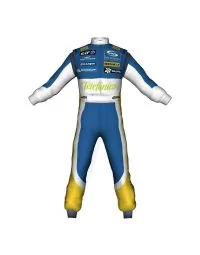
Nomex gear represents a serious investment in your riding safety. Whether you're wearing a custom racing suit on the track or fire-resistant gloves on the street, keeping your protective apparel in top condition matters for both longevity and performance. This guide explains how to clean Nomex gear safely while preserving its fire-resistant properties and structural integrity.
Nomex is a synthetic fiber engineered to resist flame and heat. Unlike natural leather, Nomex requires specific care to maintain its protective qualities. Improper cleaning can damage the material, weaken seams, or compromise the gear's ability to protect you in a crash. Understanding the right approach to Nomex care helps you extend the life of your gear and keep it performing as intended.
Quick Answer
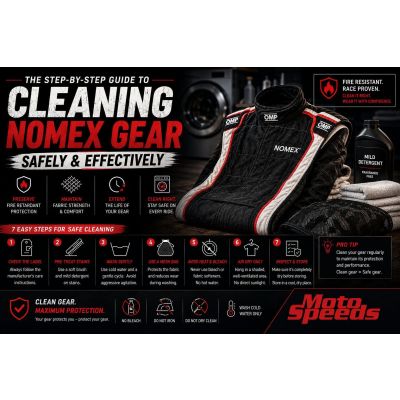
To clean Nomex gear safely, start by checking the manufacturer's care label for specific instructions. Hand wash with cool to warm water and mild detergent, avoiding bleach or harsh chemicals. Gently scrub soiled areas with a soft brush or cloth. Rinse thoroughly with clean water until all soap residue is gone. Air dry completely away from direct heat, sunlight, or high temperatures. Never machine wash, dry clean, or use a dryer unless the care label explicitly allows it. Store in a cool, dry place. Always prioritize the care label over general advice.
Table of Contents
- What Nomex Is and Why Care Matters
- What to Check Before Cleaning
- Step-by-Step Cleaning Method
- Drying and Storage
- Common Nomex Care Mistakes
- When to Repair or Replace Gear
- Frequently Asked Questions
- Final Care Advice
What Nomex Is and Why Care Matters
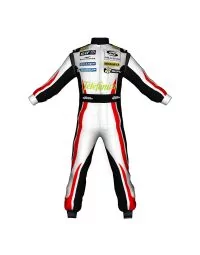
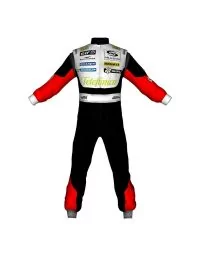
Nomex is a flame-resistant aramid fiber developed to withstand extreme heat and resist ignition. Motorcycle gear made from Nomex—including racing suits, gloves, and hoods—is designed to protect riders from fire and thermal injury during crashes or accidents. The material's fire-resistant properties are built into the fiber itself, not applied as a coating.

Unlike leather, which can be conditioned and treated, Nomex performance depends on maintaining the integrity of the fibers and the construction of the garment. Cleaning Nomex gear safely means using methods that remove dirt, sweat, and debris without damaging the material, weakening seams, or affecting its protective function.
Proper care extends gear lifespan, maintains fit and comfort, and helps ensure the protective properties remain consistent. Neglecting care can lead to premature wear, odor buildup, mold growth, and material degradation that may require earlier replacement.
What to Check Before Cleaning
Before you wash any Nomex gear, take these steps to prepare and protect your investment.
Read the Care Label First. Every Nomex garment includes a care label with specific washing instructions from the manufacturer. This label is your most reliable source of guidance. Follow it before following any general advice. The label will tell you the maximum water temperature, whether hand washing is allowed, if machine washing is permitted, and any chemicals to avoid.
Inspect for Damage. Look for tears, separated seams, broken zippers, or damaged armor pockets. If you find damage, decide whether to repair it before washing or address it after the gear dries. Washing damaged gear can worsen the problem. Minor seam separation may need stitching before washing. Broken zippers should be replaced or repaired to prevent water from entering during the wash.
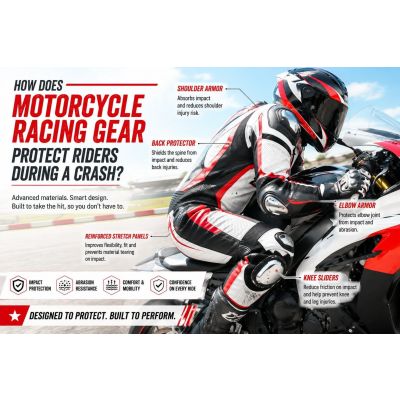
Remove Armor and Removable Components. Most Nomex racing suits have removable CE armor in the shoulders, elbows, back, and knees. Check if your gear allows armor removal. If it does, take out the armor before washing—armor typically requires separate care or cleaning. Some gloves and boots also have removable inserts. Removing these components protects them and allows more thorough cleaning of the garment.
Check Pockets and Seams. Empty all pockets of coins, keys, or debris. Inspect seams for dirt buildup, salt stains from sweat, or mud. Identifying problem areas helps you focus your cleaning effort where it's needed most.
Step-by-Step Cleaning Method
Hand washing is the safest method for Nomex gear. Follow these steps for effective cleaning without risk to the material.
Prepare Your Washing Station. Fill a sink or basin with cool to warm water—never hot water, which can damage Nomex fibers and affect fit. Add a small amount of mild detergent designed for delicate fabrics or sports gear. Avoid bleach, fabric softener, or harsh chemicals, which can weaken Nomex fibers and reduce fire resistance. Stir gently to distribute the detergent.
Submerge and Soak. Place the Nomex garment in the water and let it soak for 10 to 15 minutes. This allows the detergent to loosen dirt and sweat buildup without aggressive scrubbing. For lightly soiled gear, soaking alone may be enough. For heavily soiled areas, the soak prepares the material for gentle cleaning.
Gently Clean Soiled Areas. Use a soft brush, soft cloth, or soft sponge to gently scrub areas with visible dirt, stains, or sweat marks. Focus on collar areas, cuffs, seams, and any high-contact zones. Avoid aggressive scrubbing or stiff brushes, which can damage the Nomex fibers or create pilling. Work with the grain of the material when possible.
Rinse Thoroughly. Drain the soapy water and refill the basin with clean, cool water. Rinse the garment by gently agitating it in the fresh water. Repeat the rinse with clean water until no soap residue remains. Soap left in the material can attract dirt and reduce breathability. Thorough rinsing is essential for maintaining the feel and function of the gear.
Remove Excess Water. Gently squeeze out excess water—do not wring or twist the garment, which can damage seams and distort the fit. Lay the gear flat on a clean towel and roll it gently to absorb more water. This step prepares the gear for drying.
Drying and Storage
Air Dry Completely. Lay the Nomex gear flat or hang it in a well-ventilated area away from direct sunlight, heat sources, or high temperatures. Never use a clothes dryer, heat gun, or radiator to speed drying. High heat can damage Nomex fibers, shrink the material, and affect fit. Air drying takes longer but preserves the integrity of the gear.
If hanging, use a padded hanger to avoid stretching the shoulders. If laying flat, ensure the garment is arranged naturally without bunching or folding in ways that could create permanent creases. Turn the gear occasionally to ensure even drying.
Check Dryness Before Storage. Nomex gear must be completely dry before storing. Damp gear can develop mold, mildew, or odor. Check seams, armor pockets, and thick areas to ensure no moisture remains. This may take 24 to 48 hours depending on humidity and ventilation.
Store Properly. Once dry, store your Nomex gear in a cool, dry place away from direct sunlight, extreme temperatures, or damp conditions. A closet, gear bag, or storage container works well. Avoid plastic bags that trap moisture. If storing long-term, ensure the space is climate-controlled and well-ventilated. Proper storage prevents degradation and keeps the gear ready for your next ride.
Common Nomex Care Mistakes
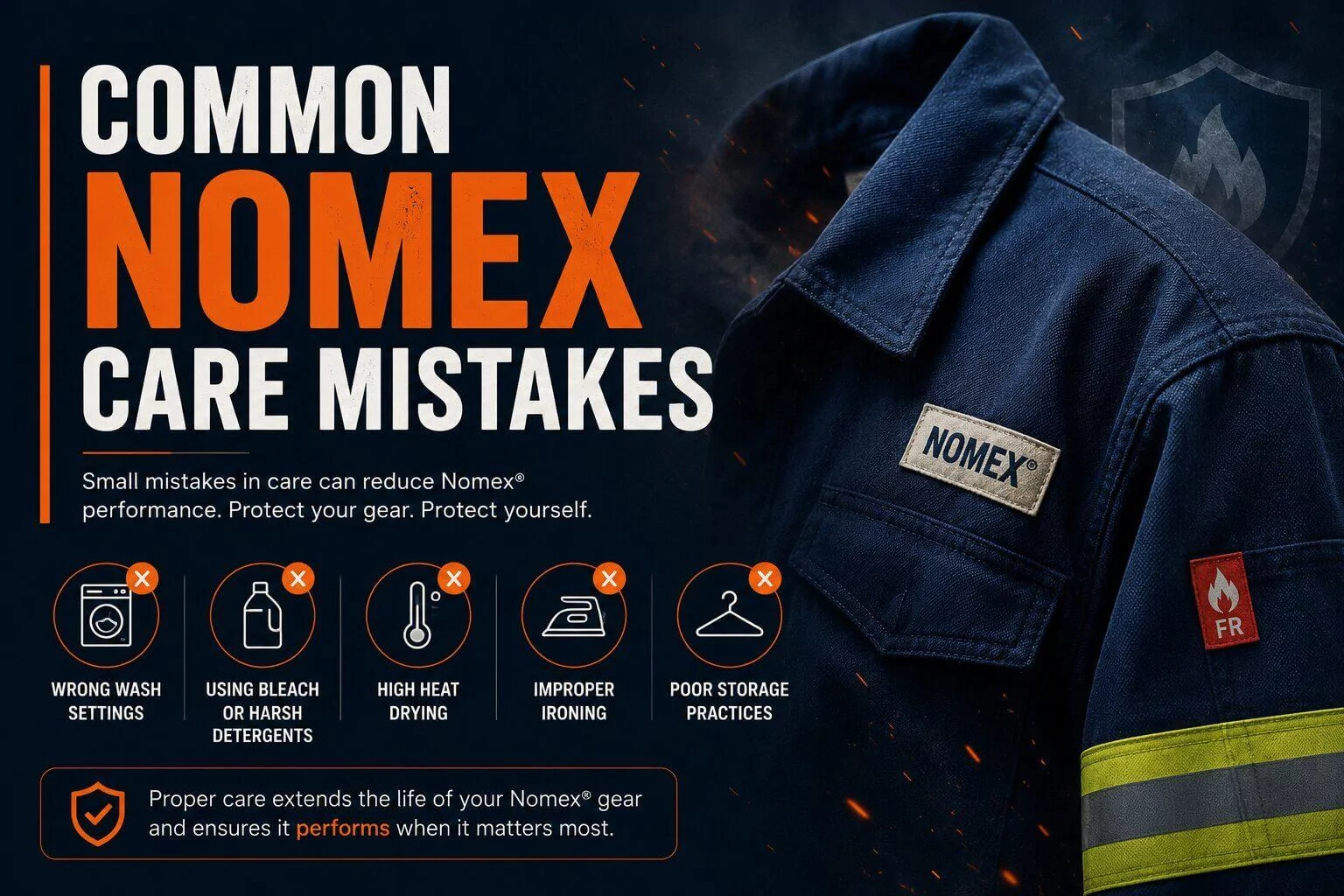
Using Hot Water. Hot water can damage Nomex fibers, cause shrinkage, and affect the fit of your gear. Always use cool to warm water. If you're unsure about the right temperature, check the care label or use room-temperature water as a safe default.
Machine Washing or Dry Cleaning. The agitation in a washing machine and the harsh chemicals in dry cleaning can damage Nomex material and seams. Unless the care label explicitly allows machine washing, hand wash only. Dry cleaning is typically not recommended for Nomex gear.
Using Bleach or Harsh Chemicals. Bleach weakens Nomex fibers and can compromise fire resistance. Fabric softeners, stain removers, and other harsh chemicals also pose risks. Stick to mild detergent designed for delicate fabrics.
Wringing or Twisting the Garment. Aggressive wringing can damage seams, distort the fit, and stress the material. Always gently squeeze out water or roll the gear in a towel instead.
Using High Heat to Dry. Dryers, radiators, direct sunlight, or heat guns can shrink Nomex, damage fibers, and create permanent damage. Air drying is the only safe method unless the care label says otherwise.
Storing Damp Gear. Storing gear before it is completely dry invites mold and mildew growth. Always ensure your Nomex gear is fully dry before putting it away.
When to Repair or Replace Gear
Proper cleaning extends the life of your Nomex gear, but protective apparel does not last forever. Understanding when to repair versus replace is part of responsible gear care.
Minor Repairs. Small tears in seams or material can often be repaired by hand stitching or by a professional gear repair service. Broken zippers can be replaced. Loose armor pockets can be re-stitched. If the damage is minor and does not affect the protective structure of the garment, repair is a reasonable option.
Damage After a Crash. If your Nomex gear has been in a crash or slide, inspect it thoroughly before continuing to wear it. Even if the damage looks minor, the impact may have compressed or damaged the armor, shifted seams, or created internal damage not visible from the outside. Damaged armor may need inspection, servicing, or replacement. If you are unsure about the extent of damage, consult the manufacturer or a professional gear repair service.
When to Replace. Replace your Nomex gear if seams are separating extensively, material is thinning or pilling significantly, armor is visibly damaged or compressed, zippers no longer function, or the fit has changed so much that the gear no longer provides proper protection or comfort. Age and wear are normal, but compromised gear reduces your protection. Replacing worn-out gear is an investment in your safety.
Riders who want better protection for track and road use can explore our to discover gear designed with safety, fit, and long-term durability in mind.
Frequently Asked Questions
Can I machine wash Nomex gear?
Machine washing is not recommended for Nomex gear unless the care label explicitly allows it. The agitation and harsh conditions of a washing machine can damage Nomex fibers, weaken seams, and compromise the protective structure of the garment. Hand washing with cool to warm water and mild detergent is the safest method. Always check your care label first—it is the most reliable guide for your specific gear.
What temperature water should I use to clean Nomex?
Use cool to warm water, not hot water. Hot water can damage Nomex fibers, cause shrinkage, and affect the fit of your gear. Room-temperature or lukewarm water is ideal. If your care label specifies a maximum temperature, follow that instruction. When in doubt, use cooler water to be safe.
Can I use fabric softener on Nomex gear?
No, avoid fabric softener. Fabric softeners can coat Nomex fibers, reduce breathability, and potentially affect fire-resistant properties. Use only mild detergent designed for delicate fabrics. Your gear will feel fine after proper rinsing without softener.
How long does Nomex gear take to air dry?
Air drying typically takes 24 to 48 hours depending on humidity, ventilation, and the thickness of the material. Lay the gear flat or hang it in a well-ventilated area away from direct sunlight and heat. Check seams and armor pockets to ensure complete dryness before storing. Patience during drying protects your gear from damage.
Can I dry clean Nomex racing suits?
Dry cleaning is typically not recommended for Nomex gear. The harsh chemicals used in dry cleaning can damage Nomex fibers and potentially affect fire-resistant properties. Hand washing with mild detergent is the preferred method. If you have questions about your specific suit, contact the manufacturer or a professional gear repair service experienced with Nomex.
What should I do if my Nomex gear has stains that won't come out?
For stubborn stains, let the gear soak longer in cool water with mild detergent before gently scrubbing the stained area with a soft brush. Repeat soaking and gentle scrubbing if needed. Avoid harsh stain removers or bleach. If stains persist after multiple cleaning attempts, accept them as part of gear wear. Stains do not affect protective function. If you are concerned about a particular stain, contact the manufacturer for advice.
How often should I clean my Nomex gear?
Clean your Nomex gear as needed based on use and visible dirt or sweat buildup. Riders who track frequently may clean gear monthly or after every few track days. Street riders may clean gear every few months. Regular inspection helps you spot when cleaning is needed. Avoid over-washing, which can accelerate wear. Balance cleanliness with the protective lifespan of your gear.
Final Care Advice
Cleaning Nomex gear safely is straightforward when you follow the care label and use gentle hand-washing methods. Cool to warm water, mild detergent, soft scrubbing, thorough rinsing, and air drying are the foundation of proper Nomex care. These steps help maintain the fire-resistant properties, fit, and longevity of your protective gear.
Remember that proper cleaning is just one part of gear care. Regular inspection for damage, correct storage in a cool dry place, and timely repair or replacement of damaged gear all contribute to keeping your protective apparel performing as designed. Nomex gear is built to protect you, and the care you give it directly affects how well it can do that job.
For riders ready to invest in high-quality Nomex gear or custom racing suits, the demonstrates how protective design, material quality, and proper fit work together to support safer riding. Explore MotoSpeeds' full selection of fire-resistant gear and learn how to care for your protective apparel for years of reliable performance on the track and road.