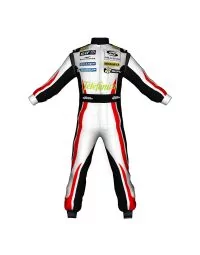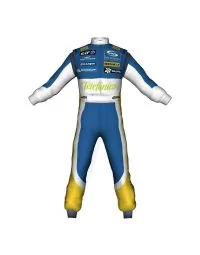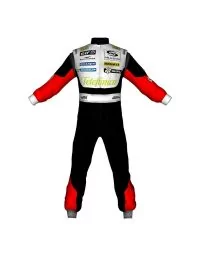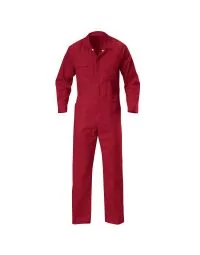
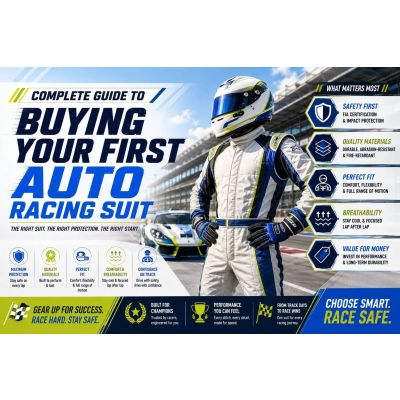
You're ready to buy your first racing suit, but you're facing a confusing choice. Should you go with a standard size or custom-made gear? What does fire-resistant actually mean? Does your suit need a specific certification label to race at your event? How tight is too tight, and how loose is too loose? Most importantly, will the suit you pick actually keep you comfortable and protected during a race weekend?
Choosing an auto racing suit buying guide matters more than many first-time buyers realize. The right suit protects your skin, meets event rules, fits your cockpit space, and lets you focus on driving instead of worrying about bunching fabric or restricted movement. A poor choice can leave you uncomfortable, non-compliant with event requirements, or exposed to unnecessary risk if an incident occurs.
This guide walks you through every decision you need to make before buying. You'll learn what separates proper racing gear from casual apparel, how to pick a suit for your racing discipline, what to check before paying, and whether standard or custom sizing makes sense for your body and budget. By the end, you'll have a clear framework for choosing gear that actually fits your needs.
Quick Buying Advice:
Start by checking your event rulebook for certification requirements (SFI or FIA labels are common). Then measure yourself carefully against the manufacturer's size chart while seated in your car, not standing in front of a mirror. Order a suit that covers your wrists, ankles, and neck without gaps, fits snugly without restricting shoulder movement or breathing, and matches your racing discipline's heat and mobility demands. Fit comes before appearance every time.
- What Should Drivers Know Before Buying an Auto Racing Suit?
- How to Choose Gear Based on Your Racing Discipline
- What Safety Features Should Buyers Check?
- How Fit and Sizing Affect Cockpit Comfort
- Which Materials and Construction Details Matter?
- Standard Size vs Custom Size: Which Should You Choose?
- Final Buying Advice from MotoSpeeds
What Should Drivers Know Before Buying an Auto Racing Suit?
An auto racing suit is not casual clothing. It is a protective layer designed to slow heat transfer, reduce skin exposure, and help support driver safety during an incident. The suit sits between your skin and the cockpit environment, so its material, fit, and condition directly affect how well it protects you and how comfortable you feel during a race.
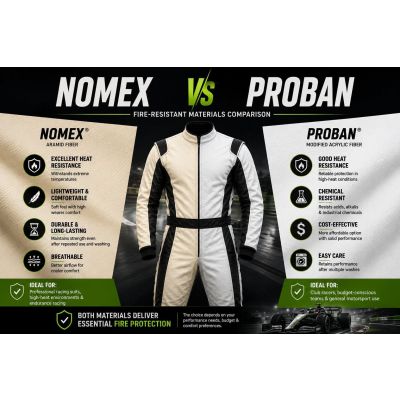
Racing suits differ from street clothing in three core ways. First, they use fire-resistant or flame-resistant materials (often aramid or Nomex fabrics) that are designed to resist ignition and slow heat transfer rather than burn quickly like cotton or polyester. Second, they are constructed with reinforced seams, covered zippers, and extended cuffs that overlap gloves and shoes to eliminate gaps where skin might be exposed. Third, they are tested and certified to defined safety standards so buyers can verify the gear has been evaluated for protective performance.
Event rules matter before you buy anything. Some racing events require specific certification labels (such as SFI or FIA ratings) and may set minimum suit thickness, layer count, or material standards. A suit that is perfect for a warm-weather track day might not meet the rules for a club racing event. Always check the event rulebook or call the race organizer before purchasing to confirm what gear is required or recommended.
Fit and protection are linked. A suit that is too loose may bunch in the cockpit, leaving skin gaps where fire-resistant coverage is reduced. A suit that is too tight may restrict your breathing or shoulder movement, which affects your ability to steer, shift, and control the car. The right fit lets you move naturally while seated, covers your entire body without gaps, and feels secure without cutting off circulation.
How to Choose Gear Based on Your Racing Discipline
Different racing disciplines create different priorities for suit choice. A drag racer facing high-speed impact risk may prioritize heavier, multi-layer construction. A karting driver in a tight, hot cockpit may prioritize lightweight, single-layer comfort. A rally driver navigating variable weather may need flexibility to layer underlayers underneath. Understanding your racing environment helps you choose gear that actually fits your needs instead of buying a one-size-fits-all suit that compromises on every front.
Track-day and circuit racing drivers often benefit from mid-weight suits that balance fire-resistant protection with reasonable cockpit comfort. You are spending hours in the car, moving between sessions, and dealing with varying track temperatures. A suit that breathes reasonably well and allows full shoulder and arm movement matters as much as the fire-resistant rating. Many circuit racers choose suits with good seam construction and reinforced high-wear areas (shoulders, elbows, seat) without adding unnecessary bulk.
Drag racing creates different demands. Acceleration forces are extreme, impact risk is high, and events are often shorter and more intense. Drag racers frequently prioritize heavier-duty construction, reinforced seams, and thicker materials that are rated for high-temperature environments. The suit may feel warmer and bulkier, but the protective benefit often outweighs the comfort trade-off for drivers facing 300+ mph speeds and high-impact scenarios.
Karting drivers work in tight cockpits with limited movement space. A suit that is too bulky will bunch against the seat, steering wheel, or cage, making driving harder and creating coverage gaps. Karting suits tend to be lighter and more form-fitting, with careful attention to sleeve length, cuff design, and torso fit. Movement and visibility matter as much as fire resistance because a suit that restricts your control is a suit that increases your risk.
Rally and off-road drivers face variable weather, longer event durations, and frequent gear adjustments. Many rally drivers choose suits that work well with layering systems, allowing them to add or remove underlayers based on temperature and conditions. Suit mobility is critical because you are shifting, turning the wheel hard, and managing terrain changes. Look for suits with good articulation through the shoulders and torso, and check that cuffs work with your glove style without creating bulk at the wrist.
What Safety Features Should Buyers Check?
Fire-resistant material is the foundation of protective racing gear. Aramid and Nomex fabrics are designed to resist ignition and slow heat transfer compared to regular clothing. However, fire-resistant does not mean fireproof or burn-proof. The material helps reduce burn risk during an incident, but protection depends on material quality, suit thickness, construction details, fit, and the severity of the exposure.
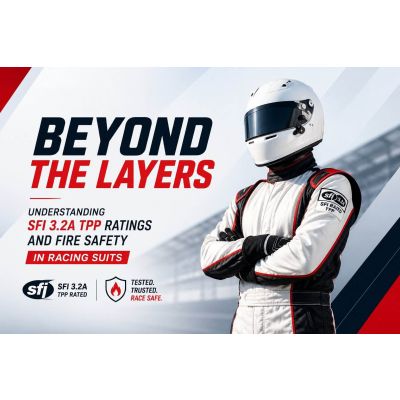
Certification labels are your proof that the suit has been tested to a defined standard. SFI (Safety Equipment Institute) and FIA (Fédération Internationale de l'Automobile) are the most common certification systems in motorsport. A certified suit has undergone testing for flame resistance, seam strength, and other protective qualities. However, certification does not guarantee injury prevention. It shows the suit meets a defined standard, but drivers must verify that the certification level matches their event requirements and understand that protection depends on fit, condition, and correct use.
Seam construction matters more than many buyers realize. Racing suits use reinforced stitching, often with double or triple seams in high-stress areas like shoulders, underarms, and the crotch. Check that seams are even, tight, and not loose or fraying. Poor seams can separate under stress or heat, reducing the suit's protective coverage. Look at the inside of the suit to confirm stitching quality, especially around armholes and leg openings.
Cuff and collar design affects how well the suit seals your skin. The suit should overlap your gloves at the wrist without gaps, overlap your shoes at the ankles, and fit snugly at the neck. Loose cuffs or collars create openings where skin is exposed. Extended cuffs that wrap around your wrist and overlap your glove cuff provide better coverage than simple elastic bands. A high collar that covers your neck and upper chest reduces exposure in the cockpit.
Zipper construction and placement matter for both fit and protection. A full-length front zipper allows easy on-and-off, but the zipper itself can be a heat conductor. Quality racing suits use covered zippers with a protective flap that blocks direct heat exposure. The zipper should run smoothly, lock securely at the top and bottom, and not snag on fabric or your skin.
Multi-layer versus single-layer construction is a key trade-off. Multi-layer suits (typically two or three layers bonded together) offer broader fire-resistant coverage and are often required for higher-temperature or higher-impact racing events. Single-layer suits are lighter, more comfortable for shorter events or warm weather, and still meet fire-resistant standards for many racing disciplines. Check your event rules to confirm the minimum layer requirement, then decide whether the added weight and bulk is worth the extra protection for your specific racing.
Condition and maintenance affect protective performance. A suit with damage, stains, or wear may have reduced fire-resistant properties. After an incident involving heat, flames, or significant impact, have the suit inspected or serviced by the manufacturer to confirm it is still safe to use. Washing, storage, and regular inspection help maintain the suit's protective qualities over time.
How Fit and Sizing Affect Cockpit Comfort
Fit is where most first-time buyers make costly mistakes. Buying a suit that looks right while standing in front of a mirror often leads to a suit that fits poorly while seated in a car. Your body position changes dramatically when you sit in a racing cockpit. Your torso compresses, your shoulders rotate forward, your legs bend, and your arms angle toward the steering wheel. A suit that feels comfortable standing up may be too tight across the back when seated, or too loose at the torso when you lean forward.
Measure yourself while seated in your actual race car, not standing at home. Sit in your normal driving position, hands on the wheel, and have someone measure key areas: shoulder width across the back, chest circumference while leaning forward, sleeve length from the shoulder seam to your wrist, torso length from shoulder to hip, and inseam length. Write these measurements down and compare them to the manufacturer's size chart. Many brands provide separate charts for seated measurements, which are far more accurate than standing measurements.
Sleeve length is critical and often overlooked. The sleeve should reach your wrist bone without pulling when your arm is extended toward the steering wheel. If the sleeve is too short, your wrist is exposed and the glove cuff may not overlap properly. If the sleeve is too long, it bunches at your hand and creates bulk at the steering wheel. Sit in your car, grip the wheel in your normal position, and measure from the shoulder seam to your wrist. That is your true sleeve length.
Torso fit affects both comfort and protection. The suit should fit snugly through the chest and ribs without restricting your breathing or shoulder movement. Lean forward as if accelerating hard, and confirm the suit does not pull across the back or ride up at the waist. A suit that is too loose will bunch against the seat, creating gaps in coverage. A suit that is too tight will restrict your movement and may be uncomfortable during a long race day.
Neck and collar fit prevents gaps where your neck and upper chest are exposed. The collar should sit high enough to cover your neck without choking you. Sit normally and turn your head side to side. The collar should not gape or slip down. If you plan to wear a balaclava (a head and neck covering), confirm the suit collar works with it without creating uncomfortable overlap or restriction.
Ankle and cuff overlap is essential for protection. When you sit in your car with your feet on the pedals, the suit pants should reach your ankle bone and overlap your racing shoe by at least an inch. Stand up and check that the inseam length is correct. Many buyers buy suits that are too long because they measure standing up, then find the pants bunch at the ankles when seated. Sit in your car, place your feet on the pedals, and measure the distance from your hip to your ankle. That is your true inseam.
A common buying mistake is choosing a size based on how it looks rather than how it fits while driving. Buyers often select a size that feels loose while standing, thinking it will be more comfortable. Then they sit in the car and find the suit bunches, restricts movement, or leaves coverage gaps. Fit while seated always wins over appearance. A suit that looks slightly snug while standing often fits perfectly while driving.
Another mistake is assuming all brands size the same way. Racing suit manufacturers use different sizing standards. A size M from one brand may fit very differently from a size M from another brand. Always use the specific manufacturer's size chart, not a generic sizing assumption. Many online retailers provide detailed sizing guides and customer reviews that mention fit details, which can help you choose correctly.
Which Materials and Construction Details Matter?
Fire-resistant materials are the core of racing suit protection. Aramid fibers (such as Nomex) and other synthetic materials resist ignition and slow heat transfer. These materials are denser and heavier than regular fabrics, which is why racing suits feel thicker and warmer than street clothing. The specific material blend, weight, and construction method affect how much protection the suit offers and how comfortable it feels during a race.
Material weight is measured in ounces per square yard or grams per square meter. Heavier materials (8–10 oz or higher) offer more fire-resistant protection but feel warmer and bulkier. Lighter materials (4–6 oz) are more comfortable for shorter events or warm weather but may not meet the requirements for all racing disciplines or events. Check your event rules to confirm the minimum material weight or certification level required, then choose a weight that balances protection and comfort for your specific racing.
Stitching and seam quality directly affect how long the suit lasts and how well it protects you. Racing suits use reinforced stitching, often with polyester or nylon thread rated for high heat. Check that seams are tight, even, and not loose or fraying. Double-stitched seams are stronger than single-stitched seams and are worth the extra cost if you plan to wear the suit multiple times. Look at the inside of the suit carefully before buying to confirm stitching quality.
Reinforced panels in high-wear areas extend suit life and improve protection. Shoulders, elbows, seat, and crotch areas experience the most stress during driving and sitting. Suits with reinforced panels in these areas last longer and maintain better protection over time. Some suits add extra layers or thicker material in these zones, while others use double-stitching or special construction techniques. Reinforcement adds cost but improves durability and long-term value.
Ventilation and breathability affect cockpit comfort during long race days. Some suits use mesh panels or perforated materials in areas like the underarms or back to improve airflow. Others use single-layer lightweight materials that naturally breathe better than multi-layer suits. If you race in warm weather or spend long hours in the car, look for suits designed with ventilation in mind. However, do not sacrifice fire-resistant protection for comfort. Confirm that any ventilation features still meet your event's certification and material requirements.
When is it worth paying more for a racing suit? Premium suits often offer better fit options (including custom sizing), higher-quality materials, reinforced construction, and longer durability. If you plan to race multiple times per season or across multiple seasons, a higher-quality suit spreads the cost across more uses and often holds up better over time. If you are buying your first suit for a single track day, a mid-range suit that meets your event's requirements and fits well may be the smarter choice. Consider your racing frequency, budget, and how long you expect to keep the suit before deciding whether to invest in premium gear.
Standard Size vs Custom Size: Which Should You Choose?
Most drivers fit standard sizes well if they measure carefully and choose the right size from the manufacturer's chart. Standard sizing is faster, cheaper, and gets you racing sooner. If your measurements fall within typical ranges (average height and proportions for your weight), a standard size usually works perfectly.
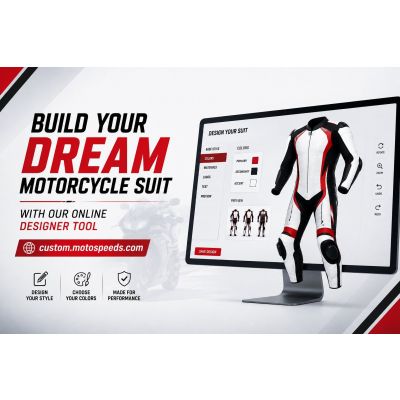
Custom sizing makes sense when your proportions fall outside standard ranges or when you have specific fit needs that standard sizes do not address. Drivers who are very tall, very short, have a long torso and short legs (or vice versa), or have broad shoulders relative to their height often struggle with standard sizing. A suit that fits your chest may be too short in the torso, or a suit that fits your torso may be too tight in the shoulders. Custom sizing lets you adjust each dimension to match your actual body and cockpit position.
Custom suits take longer to produce (typically 4–8 weeks) and cost more than standard suits (usually 30–50% premium). If you have a race event coming up in two weeks, a standard suit is your only option. If you have time to plan ahead and your proportions make standard sizing difficult, custom sizing improves fit and comfort enough to justify the wait and extra cost.
To decide between standard and custom, measure yourself carefully against the manufacturer's size chart. If your measurements fall within one size range for all dimensions (chest, sleeve, torso, inseam), order standard. If your measurements span two different sizes (for example, large chest but small sleeve length), custom sizing may be worth considering. Contact the manufacturer or a gear advisor to discuss your measurements. They can often recommend a standard size that will work well, or advise whether custom sizing is truly necessary for your proportions.
Final Buying Advice from MotoSpeeds
Your buying priorities should follow this order. First, check your event rulebook for certification requirements and confirm any suit you buy meets those standards. Second, measure yourself carefully while seated in your car and choose a size that fits your actual driving position, not your standing measurements. Third, confirm the suit covers your wrists, ankles, and neck without gaps and allows full shoulder and arm movement. Fourth, consider your racing discipline and choose materials and construction that match your heat and mobility needs. Fifth, compare durability, seam quality, and long-term value before deciding between standard and premium options.
Drivers who want to compare suits, gloves, shoes, and related motorsport apparel can explore our
for car racing gear built around fit, comfort, and safety awareness.Common inspection and maintenance practices help keep your suit in good condition. Store the suit in a cool, dry place away from direct sunlight, which can fade fire-resistant materials over time. Wash the suit according to the manufacturer's instructions (many racing suits can be hand-washed or machine-washed in cold water, but check the label first). After any incident involving heat, flames, or significant impact, inspect the suit carefully for damage. Look for burn marks, melted areas, seam separation, or discoloration. If you find damage, contact the manufacturer to discuss whether the suit can be serviced or needs replacement. A suit that has been exposed to high heat may have reduced fire-resistant properties even if the damage is not visible.
Buying your first auto racing suit buying guide means making decisions about protection, fit, certification, and comfort all at once. Start with your event requirements, then focus on fit while seated in your car. Choose materials and construction that match your racing discipline. Decide whether standard or custom sizing makes sense for your proportions and timeline. Measure carefully, order from a reputable manufacturer, and inspect the suit when it arrives to confirm fit before race day. You will spend hours in this gear, so taking time to choose well pays off in both safety and comfort.
For drivers comparing real gear details before ordering, our
shows how material, fit, and protective features work together to support your racing needs.Frequently Asked Questions
What does fire-resistant mean in a racing suit?
Fire-resistant means the material is designed to resist ignition and slow heat transfer compared to regular clothing. Fire-resistant fabrics like aramid or Nomex do not catch fire as easily as cotton or polyester, and they burn more slowly if exposed to flame. However, fire-resistant does not mean fireproof or burn-proof. The material helps reduce burn risk during an incident, but actual protection depends on material thickness, suit construction, fit, condition, and the severity of the heat exposure.
Do I need SFI or FIA certification to race?
Certification requirements depend on your specific racing event and organization. Some track days and club racing events require SFI or FIA certification labels. Others do not. Always check your event rulebook or call the race organizer before buying to confirm what certification (if any) is required. SFI and FIA certification shows the suit has been tested to a defined standard, but certification does not guarantee injury prevention. It is a verification that the gear meets specific protective requirements.
How tight should a racing suit fit?
A racing suit should fit snugly without restricting your movement or breathing. Sit in your car in your normal driving position and confirm you can move your shoulders freely, grip the steering wheel comfortably, and breathe normally. The suit should not pull across your back when you lean forward, and it should not leave gaps at your wrists, ankles, or neck. Measure yourself while seated in your car, not standing, to find the right size. A suit that feels slightly snug while standing often fits perfectly while driving.
Can I wear a racing suit under my street clothes?
Racing suits are designed to be worn as your outer layer in the cockpit, not under street clothing. Wearing a suit under other clothes adds bulk, restricts movement, and may reduce the suit's protective effectiveness if heat exposure occurs. Wear your suit directly over racing underwear or a thin base layer if needed for warmth, but not under additional clothing. If you need to travel to the track in street clothes, bring your racing suit and change at the venue.
How long does a racing suit last?
A well-maintained racing suit lasts several years with regular use. Durability depends on material quality, construction, how often you wear the suit, and how you care for it. Store the suit in a cool, dry place away from sunlight. Wash it according to the manufacturer's instructions. After any incident involving heat or impact, inspect the suit for damage and have it serviced or replaced if needed. Most drivers replace their suits every 3–5 years or after significant damage, depending on use frequency and suit condition.
Should I buy matching gloves and shoes with my suit?
Yes, coordinating your gloves, shoes, and suit is important for both protection and comfort. Your glove cuffs should overlap your suit sleeves at the wrist, and your shoe cuffs should overlap your suit pants at the ankles. If you buy a suit without checking glove and shoe compatibility, you may end up with gaps in coverage. Consider buying a complete gear set from the same brand to ensure everything works together, or measure your wrist and ankle carefully and confirm the suit overlaps your existing gloves and shoes before ordering.
Is custom sizing worth the extra cost?
Custom sizing is worth the cost if your body proportions fall outside standard size ranges or if standard sizing leaves fit gaps. If your measurements span two different sizes (for example, large chest but small arms), custom sizing improves comfort and protection. If your measurements fit neatly within one standard size, custom sizing is usually unnecessary. Custom suits take 4–8 weeks to produce, so order early if you need the suit for an upcoming event. For first-time buyers with average proportions and flexible timelines, a carefully chosen standard suit often works perfectly.