Your feet are among the most vulnerable parts of your body when you're riding a motorcycle. During a crash or slide, your boots are the only barrier between your feet, ankles, and the pavement. Understanding how motorcycle riding boots protect your feet—and what their real limitations are—helps you make safer gear choices for track days, street riding, and everyday commutes. This guide explains the protection features that matter, what standards mean, and how to choose boots that actually fit your riding style.
Quick Answer
Motorcycle riding boots are designed to protect your feet and ankles through reinforced leather, protective armor, and abrasion-resistant construction. They reduce impact force and shield against road friction during a crash or slide. However, no boot fully prevents injury. Protection depends on proper fit, armor placement, material quality, and the specific impact. Look for CE-rated armor, reinforced stitching, and quality leather when choosing boots that support safer riding decisions.
Table of Contents
- What Motorcycle Riding Boots Protect Against
- How Armor and Materials Work Together
- What Happens During a Crash or Slide
- What Riders Should Check Before Buying
- Common Mistakes Riders Make
- Why Fit, Comfort, and Protection Work Together
- When Should You Upgrade Your Boots?
- Frequently Asked Questions
What Motorcycle Riding Boots Protect Against
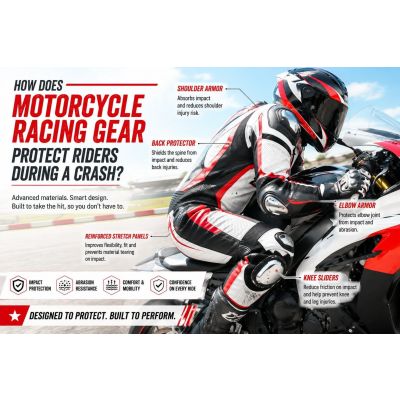
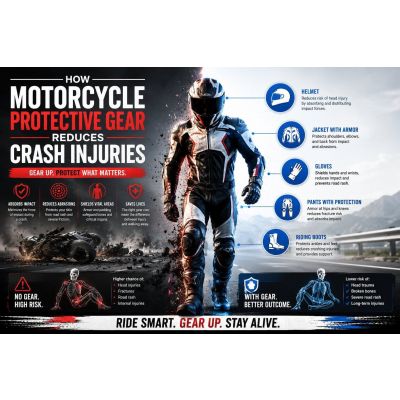
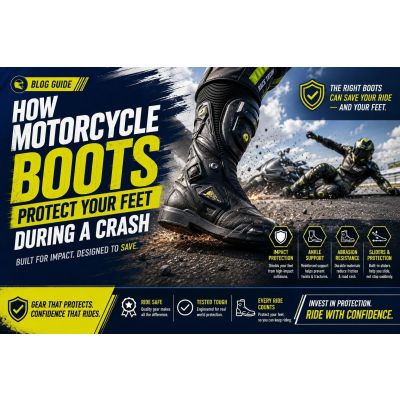
Motorcycle riding boots are built to handle three main threats during a crash: impact force, abrasion from road friction, and twisting or bending of the ankle. When you slide across pavement, your feet and ankles experience both direct impacts and grinding friction that can cause severe road rash, fractures, and ligament damage within seconds.
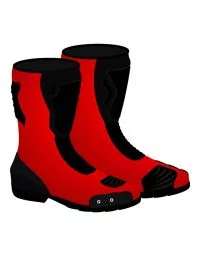
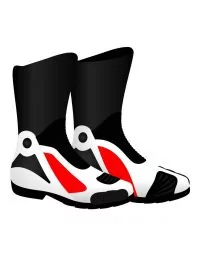
Impact protection comes from protective armor—usually foam or composite material—placed at the heel, toe, ankle, and sometimes the shin. This armor is designed to absorb and distribute impact energy rather than letting it transfer directly to your foot bones. Abrasion protection comes from the leather or textile material itself. High-quality leather resists tearing and puncture better than thin or low-grade materials, which means your skin stays protected longer during a slide.
Ankle support matters because your ankle is a common injury zone during crashes. A boot that wraps high around your ankle and has reinforced sidewalls helps prevent excessive twisting. Many protective motorcycle boots also include a shift pad on the inside, which is a reinforced area that protects your foot when you shift gears. This prevents gear shifter damage and reduces friction in an area that rubs constantly during normal riding.
How Armor and Materials Work Together
Protective motorcycle boots combine two types of defense: the material (leather or textile) and the armor (protective inserts). Neither works alone.
Leather quality directly affects how long abrasion protection lasts. Full-grain leather is denser and more resistant to tearing than split leather or thin coatings. When you examine a boot, check the leather thickness and look for reinforced areas at the heel, toe, and ankle where impacts are most likely. Many quality boots also use a double or triple-stitched construction, which keeps the sole and upper attached even if one stitch line fails during a slide.
Armor is certified separately under EN 1621 standards. EN 1621-1 covers limb protectors (the armor in your boots), and ratings are Level 1 or Level 2. Level 1 armor is tested for impact force up to a certain threshold; Level 2 is tested at a higher threshold. This does not mean Level 2 prevents injury—it means the armor is tested under more severe impact conditions. The actual protection you get depends on where the impact hits, how fast you're sliding, and whether the armor stays in place during the crash.
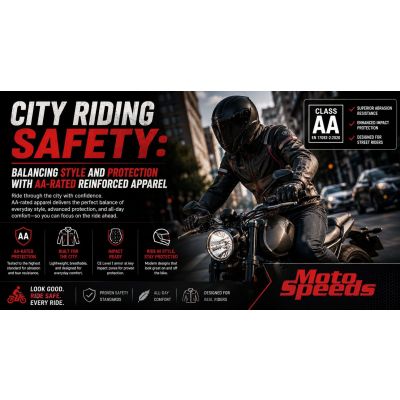
EN 17092 is a separate standard that classifies entire garments (including boots) into classes AAA, AA, A, B, and C based on abrasion resistance, tear strength, and seam strength. An AA-rated boot indicates tested abrasion and tear resistance under EN 17092. This is a material and construction rating, not an impact protection rating. Both standards matter: EN 1621 tells you about the armor; EN 17092 tells you about the material and seams.
Riders who want better protection for city and road use can explore our
for gear designed around safety, fit, and everyday riding comfort.What Happens During a Crash or Slide
During a real crash or slide, your boots face extreme conditions in a very short time. Your foot hits the pavement, your body weight transfers to that foot, and friction begins immediately. The boot's leather absorbs the first impact and friction. If the impact is severe, the armor underneath absorbs additional force. If the slide is long, the leather gradually wears away, and abrasion protection decreases as the material thins.
Your ankle is particularly at risk because it can bend sideways or twist during a crash. A boot with a high collar and reinforced ankle panels helps prevent excessive movement. However, a boot cannot prevent all ankle injuries. If the force is extreme or the angle of impact is severe, injury can still occur even with protective boots.
The shift pad protects your inner foot and ankle from the gear shifter during impact. Without it, the shifter can cut into your foot or cause a friction burn. With a shift pad, the impact is distributed and the friction is reduced.
After a crash, your boots may show visible damage: scuffs, cuts, worn leather, or cracked armor. This is normal and expected. However, damaged armor or severely worn leather may need inspection, repair, or replacement before you ride again. Check the manufacturer's care instructions and consider having your boots professionally inspected after any significant slide or impact.
What Riders Should Check Before Buying
Before you buy motorcycle riding boots, focus on five key factors: fit, armor placement, material quality, seam construction, and your riding style.
Fit is non-negotiable. Boots that are too loose will shift during a crash, moving the armor away from your foot. Boots that are too tight restrict blood flow, cause blisters, and reduce comfort on long rides. Your boot should fit snugly around your heel and midfoot with room for a thin sock. Your toes should not touch the front. When you're sitting on the bike in your normal riding position, the boot should feel stable and allow you to operate the shifter and brake pedal smoothly.
Check armor placement. Look at where the protective inserts are located. Quality boots have armor at the heel, toe, and ankle. Some also have shin protection or a reinforced toe box. Make sure the armor sits in the right place for your foot size and shape. Custom-sized boots allow armor to be positioned correctly for your individual fit, which improves protection and comfort.
Examine the material. Run your hand over the leather. It should feel dense and smooth, not thin or papery. Look for visible stitching and seams. Double or triple-stitched seams are more durable than single stitches. Check the product label or manufacturer documentation for the EN 17092 class rating and the EN 1621 armor level. This tells you the tested abrasion and impact ratings.
Consider your riding style. Track-day riders need maximum protection and may accept less everyday comfort. City riders need a balance of protection and walkability. Street riders want comfort for long rides and good protection for crash scenarios. Road racers and sportbike riders often choose full racing suits with matching boots for integrated protection. Choose boots that match your actual riding, not the riding you imagine doing.
Try before you buy if possible. Online shopping is convenient, but trying boots on in person lets you feel the fit and flex. Walk around in them. Sit on a test bike or chair in your normal riding position. Feel how they interact with your shifter and brake. This matters because a boot that feels great standing still might be uncomfortable or unstable when you're actually riding.
Common Mistakes Riders Make
Many riders buy boots based on style or price rather than protection and fit. This is one of the biggest mistakes. A stylish boot that doesn't fit properly or lacks armor coverage offers little real protection.
Another common mistake is assuming all motorcycle boots are the same. They're not. Street-style boots, touring boots, track boots, and racing boots have different armor placement, material thickness, and design priorities. A touring boot designed for comfort and long-distance riding is not the same as a track boot designed for maximum abrasion and impact protection. Choose boots matched to your actual riding.
Riders also often ignore the importance of proper fit for protection. They buy boots that are too large thinking they'll be more comfortable, or too small thinking they'll be more secure. Both are wrong. Loose boots shift during a crash, moving armor away from your foot. Tight boots cause pain and reduce blood flow. Correct fit is essential for protection to work as intended.
Finally, many riders don't inspect their boots after a crash or slide. Even if the damage looks minor, the armor inside may be cracked or the leather may be compromised. Riding in damaged protective gear reduces its effectiveness. Check your boots after any significant impact and have them inspected or repaired if needed.
Why Fit, Comfort, and Protection Work Together
Fit and protection are not separate concerns. A boot that doesn't fit properly is not protective, no matter how much armor it contains. Here's why: if your boot is loose, it shifts on your foot during a crash, moving the armor away from the impact zone. If your boot is too tight, you'll remove it or replace it with a more comfortable option that offers less protection.
Comfort also affects your riding behavior. If your boots cause pain or fatigue, you're more likely to ride distracted or make poor decisions. If your boots feel stable and supportive, you can focus on the road or track. This matters because rider behavior—smooth inputs, awareness, speed management—affects crash risk more than any single piece of gear.
Flexibility is another balance. Your boot needs to be rigid enough to protect your foot during impact, but flexible enough to allow normal pedal and shifter operation. A boot that's too stiff makes riding uncomfortable and can cause foot cramps on long rides. A boot that's too flexible offers less support and protection. Quality boots balance these concerns through strategic reinforcement and material selection.
Breathability and temperature management also matter, especially for summer riding or long track days. A boot that traps heat causes sweating, blisters, and discomfort. Many protective boots include mesh or perforated panels that improve airflow while maintaining protection. Check the boot design for your climate and riding season.
When Should You Upgrade Your Boots?
You should upgrade your motorcycle riding boots if they no longer fit properly, if the armor is damaged or degraded, if the leather is severely worn or torn, or if your riding style has changed.
If you've had a significant crash or slide, inspect your boots carefully. If the armor is cracked, compressed, or missing, it's time for new boots. If the leather is deeply scuffed, cut, or punctured, the abrasion protection is compromised. Some damage can be repaired by a leather professional, but severe damage usually means replacement is safer.
If you've gained or lost weight, or if your feet have changed shape, your old boots may no longer fit correctly. A poor fit reduces protection and comfort. New boots that fit properly are a worthwhile investment.
If you've moved from street riding to track riding, or if you're now doing longer rides, your gear priorities may have changed. Track boots need maximum abrasion and impact protection. Touring boots need comfort and durability for long distances. City boots need a balance of protection and everyday wearability. Upgrading to boots matched to your current riding makes sense.
Frequently Asked Questions
What is the difference between EN 1621 and EN 17092 for motorcycle boots?
EN 1621 is a standard for the protective armor itself (the foam or composite inserts inside the boot). It rates armor as Level 1 or Level 2 based on impact force testing. EN 17092 is a standard for the entire garment—the leather, seams, and overall construction—and rates boots as AAA, AA, A, B, or C based on abrasion and tear resistance. Both standards are important. EN 1621 tells you about impact protection; EN 17092 tells you about material durability and abrasion resistance.
Can motorcycle boots prevent all foot and ankle injuries during a crash?
No. Motorcycle boots are designed to reduce injury risk, not eliminate it. They protect against abrasion, distribute impact force, and provide ankle support. However, severe impacts, extreme angles, or very high speeds can cause injury even with protective boots. The severity of the crash, the exact angle of impact, and the speed all affect the outcome. Boots are one layer of protection; riding skill and awareness are equally important.
How do I know if my motorcycle boots fit correctly for protection?
Your boots should fit snugly around your heel and midfoot without gaps or movement. Your toes should have room but not be pressed against the front. When you're sitting on your bike in your normal riding position, the boot should feel stable and allow smooth shifter and brake operation. You should be able to walk in them comfortably but feel supported. If your boots shift on your foot, they're too loose. If they cause pain or numbness, they're too tight. Correct fit is essential for the armor to stay in the right position during a crash.
What should I look for when buying motorcycle boots for summer riding?
For summer riding, look for boots with mesh or perforated panels that improve airflow while maintaining protection. Check that the boot has CE-rated armor and reinforced leather in key impact zones. Make sure the fit is correct and the boot allows your foot to breathe without compromising abrasion resistance. Some summer boots use lighter leather or textile materials that still offer EN 17092 ratings. Read the product details and check for ventilation features that match your climate and riding duration.
Do I need custom-sized motorcycle boots, or will standard sizes work?
Standard sizes work for many riders, but custom sizing offers advantages. Custom boots are measured and built specifically for your foot shape and size, which improves fit and armor placement. If you have narrow feet, wide feet, high arches, or other unique characteristics, custom sizing ensures the armor sits exactly where it should. Custom boots also allow you to choose specific features and materials. Standard sizes are more affordable and available immediately, but custom boots provide better fit and protection for riders who need them.
What should I do with my boots after a crash or slide?
Inspect your boots carefully after any significant impact. Look for visible damage to the leather, cracks in the armor, or separation of the sole. Check the manufacturer's care instructions. Minor scuffs are normal and don't require action. Significant damage—deep cuts, cracked armor, torn seams—may require professional inspection, repair, or replacement. Some leather professionals can repair or resole boots. If the armor is damaged, replacement is usually the safest choice. Do not ride in boots with compromised protection.
Are expensive motorcycle boots always better than affordable options?
Price and quality are related but not identical. Expensive boots often use higher-quality leather, better armor, and more refined construction. However, an affordable boot with correct fit, proper armor, and good seams may offer more real protection than an expensive boot that doesn't fit well. Focus on fit, armor certification (EN 1621 and EN 17092 ratings), material quality, and your riding style rather than price alone. Read reviews from riders with similar needs and check the product specifications and certifications.
Conclusion
Motorcycle riding boots protect your feet and ankles through reinforced leather, protective armor, and thoughtful design. Understanding how these features work—and what their real limits are—helps you make safer gear choices. The best boot for you is one that fits correctly, has CE-rated armor, uses quality materials, and matches your riding style. No boot prevents all injuries, but a well-chosen boot that fits properly and is worn consistently reduces injury risk significantly.
The next step is to evaluate your current boots honestly. Do they fit correctly? Are they rated for abrasion and impact protection? Have they been damaged in a crash? If you're uncertain, consider trying on new boots that match your riding. Custom sizing is available if you need a better fit.
For riders comparing real protective gear, the
shows how armor placement, reinforced construction, and fit work together to support safer motorcycle riding decisions.