When shopping for motorcycle protective gear, you'll encounter the term "denier" more often than you might expect. But what does it actually mean for your safety on the road or track? Understanding fabric denier helps you make smarter choices about abrasion resistance, durability, and protection. Riders often confuse denier with overall safety ratings, thinking a higher number always means better crash protection. In reality, fabric denier is just one piece of the protective gear puzzle. Let's break down what denier means, why it matters for your riding style, and how to use this knowledge when comparing motorcycle jackets, suits, and protective apparel.
Quick Answer
Denier measures the weight and thickness of a textile fiber or yarn. Higher denier fabrics are thicker and generally more durable and resistant to abrasion. In motorcycle gear, denier helps indicate how well a jacket or suit may resist scraping during a slide, but denier alone does not determine overall crash protection. Armor, seam strength, and fit also matter significantly for safety.
Table of Contents
What Is Denier and Why Does It Matter?
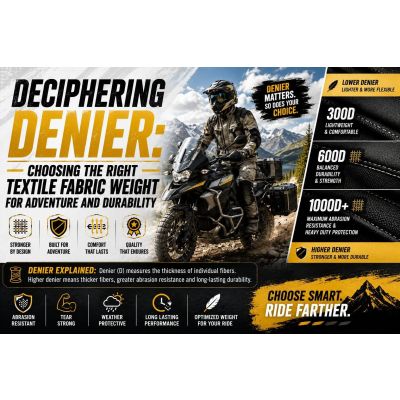
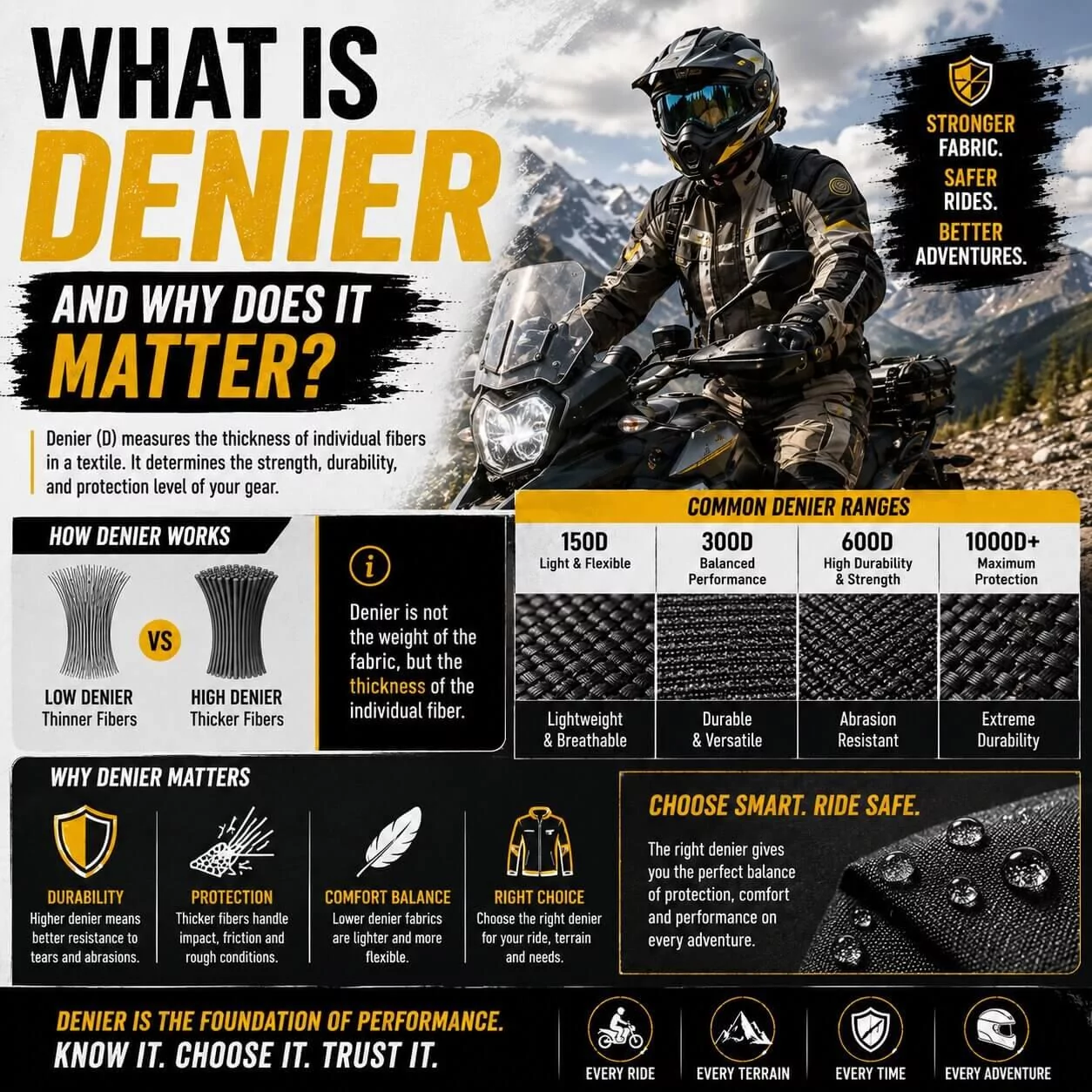
Denier is a unit of measurement that describes the weight of a fiber or yarn. Specifically, one denier equals one gram of weight per 9,000 meters of fiber. In practical terms, higher denier means thicker, heavier yarn, which creates denser and more durable fabric. A 1000-denier textile is noticeably thicker than a 200-denier fabric made from the same material.
For motorcycle riders, denier directly relates to how well a fabric resists abrasion during a slide or crash. When you slide across pavement, friction tears at the outer layers of your gear. Thicker denier fabrics take longer to wear through, giving your skin more protection time. This is why track riders and racers often prefer higher-denier textiles for their racing suits and jackets.
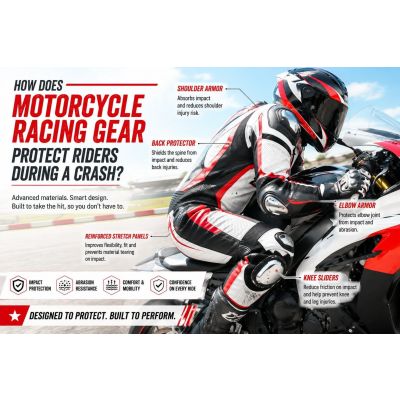
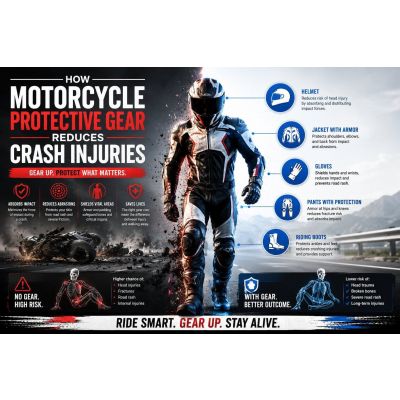
However, denier is not the same as impact protection. A very thick textile still cannot absorb the force of a high-speed collision. That job belongs to armor, which is rated separately under EN 1621 standards. Understanding the difference between these two safety features helps you build a complete protective system.
How Denier Affects Abrasion Resistance
Abrasion resistance is the fabric's ability to resist wear, tearing, and scraping when rubbed against rough surfaces. Denier plays a direct role in this performance. Thicker denier fabrics generally offer better abrasion resistance because they have more material to lose before reaching your skin.
Think of a 1200-denier textile as having more layers to burn through than a 500-denier fabric. In a low-speed slide on asphalt, the thicker fabric may protect your skin longer. In a high-speed crash, both fabrics will eventually tear, but the thicker one buys you a few extra milliseconds of protection.
Denier also works alongside other fabric qualities. A tight weave, reinforced stitching, and high-quality base material all improve abrasion resistance beyond what denier alone can deliver. A well-constructed 800-denier textile with strong seams may outperform a poorly made 1000-denier fabric with weak stitching. This is why you should always check the full construction details, not just the denier number.
Riders who want to compare related MotoSpeeds protective gear can explore
for options built around fit, protection, and riding use.Balancing Denier Weight with Comfort and Fit
Higher denier fabrics are thicker and heavier, which affects how your gear feels and performs during a ride. A 1500-denier suit will be noticeably stiffer and warmer than a 600-denier jacket. This trade-off matters more on long rides, summer riding, and city commutes where comfort directly affects how long you'll actually wear your protective gear.
Comfort is not a safety afterthought. If your protective suit is so heavy and restrictive that you avoid wearing it on short trips, you lose all its protection benefits. A lighter denier textile that you wear consistently offers more real-world safety than a heavier suit gathering dust in your closet.
Modern motorcycle gear designers balance denier with stretch panels, mesh sections, and strategic reinforcement. A suit might use 1000-denier textile on the shoulders, elbows, and hips—high-impact zones—while using 600-denier fabric on the back and sides where movement matters more. This layered approach gives you abrasion protection where you need it without sacrificing mobility or comfort.
Your riding position also affects how denier weight feels. Sportbike riders who lean hard into corners need flexible gear that moves with their body. Cruiser riders or touring riders might prefer thicker, more rigid protection. Neither choice is wrong; it depends on your actual riding style and how you'll use your gear.
Common Denier Ranges in Motorcycle Gear
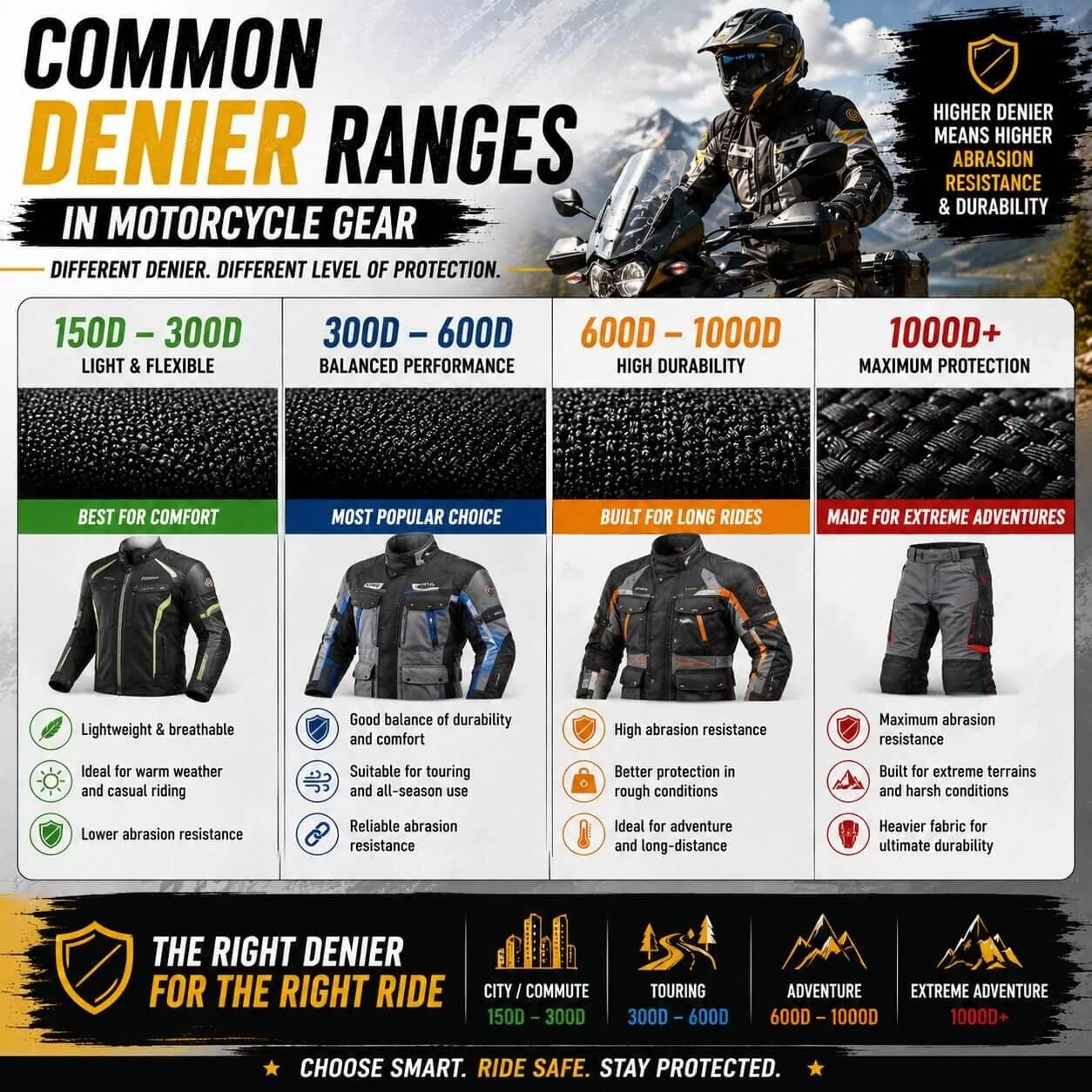
Most motorcycle protective textiles fall into a few common denier ranges. Understanding what each range typically offers helps you narrow your choices.
300–600 Denier: These lightweight fabrics are common in mesh jackets and summer gear. They offer good airflow and comfort but less abrasion resistance. They work well for city riding and casual street use where you're moving at lower speeds and want breathability.
600–1000 Denier: This mid-range is popular for all-season jackets and protective apparel. It balances abrasion protection with reasonable comfort and flexibility. Most recreational riders find this range suitable for street riding, weekend trips, and moderate-speed riding.
1000–1500+ Denier: These heavier textiles are found in racing suits, track-day gear, and high-performance protective apparel. They offer strong abrasion resistance and are designed for riders who accept the weight trade-off in exchange for maximum protection. Track riders, club racers, and sportbike enthusiasts often prefer this range.
Remember that these ranges are guidelines, not rules. A 700-denier fabric with excellent construction may protect better than a 1100-denier fabric with weak seams. Always examine the full product details, not just the denier number.
Denier vs. Official Safety Standards
Denier is a material specification. Official safety standards like EN 17092 and EN 1621 are different certification systems that test how well gear actually protects you.
EN 17092 is the European standard for motorcycle clothing. It classifies garments into categories (AAA, AA, A, B, C) based on abrasion resistance, tear strength, seam strength, and other factors. A garment earns its EN 17092 rating through lab testing, not just denier. A high-denier fabric with poor seam construction might not meet AA or AAA standards. Conversely, a well-engineered mid-denier textile with excellent stitching can achieve a strong EN 17092 rating.
EN 1621 is the standard for impact protectors (armor). It rates armor as Level 1 or Level 2 based on impact absorption performance. This standard has nothing to do with denier; it measures how well the armor protects your joints and spine. You can have the highest-denier textile ever made, but without proper armor underneath, you have no impact protection.
Smart gear shopping means checking both the denier specification and the safety certification. A racing suit might be 1200-denier with an EN 17092 AA rating and Level 2 armor in the shoulders, elbows, knees, and back. Each specification tells you something different about how the gear will protect you.
Choosing the Right Denier for Your Riding Style
City and Commute Riding: You're moving at moderate speeds in traffic, stopping frequently, and prioritizing comfort. A 600–800 denier textile jacket or suit works well. You want gear you'll actually wear every day, and lighter denier helps with that without sacrificing reasonable abrasion protection.
Street and Road Riding: You're cruising at steady speeds on highways and back roads. An 800–1000 denier suit or jacket balances protection with the comfort needed for longer rides. You have time to react to hazards, so extreme impact protection is less critical than abrasion resistance and fit.
Sportbike and Aggressive Road Riding: You're leaning hard, accelerating, and riding at higher speeds. A 1000–1200 denier suit with stretch panels and strategic reinforcement suits this style. You want maximum abrasion protection but still need mobility for your riding position.
Track Days and Racing: You're pushing limits, sliding is a real possibility, and comfort during a 20-minute race matters less than protection. A 1200–1500+ denier racing suit with Level 2 armor is the right choice. You accept the weight and stiffness because you're focused on performance and crash protection.
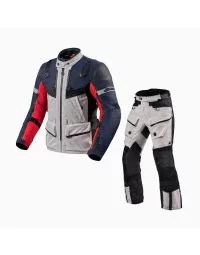
For riders comparing a real gear example,
shows how construction, fit, and protective features can work together.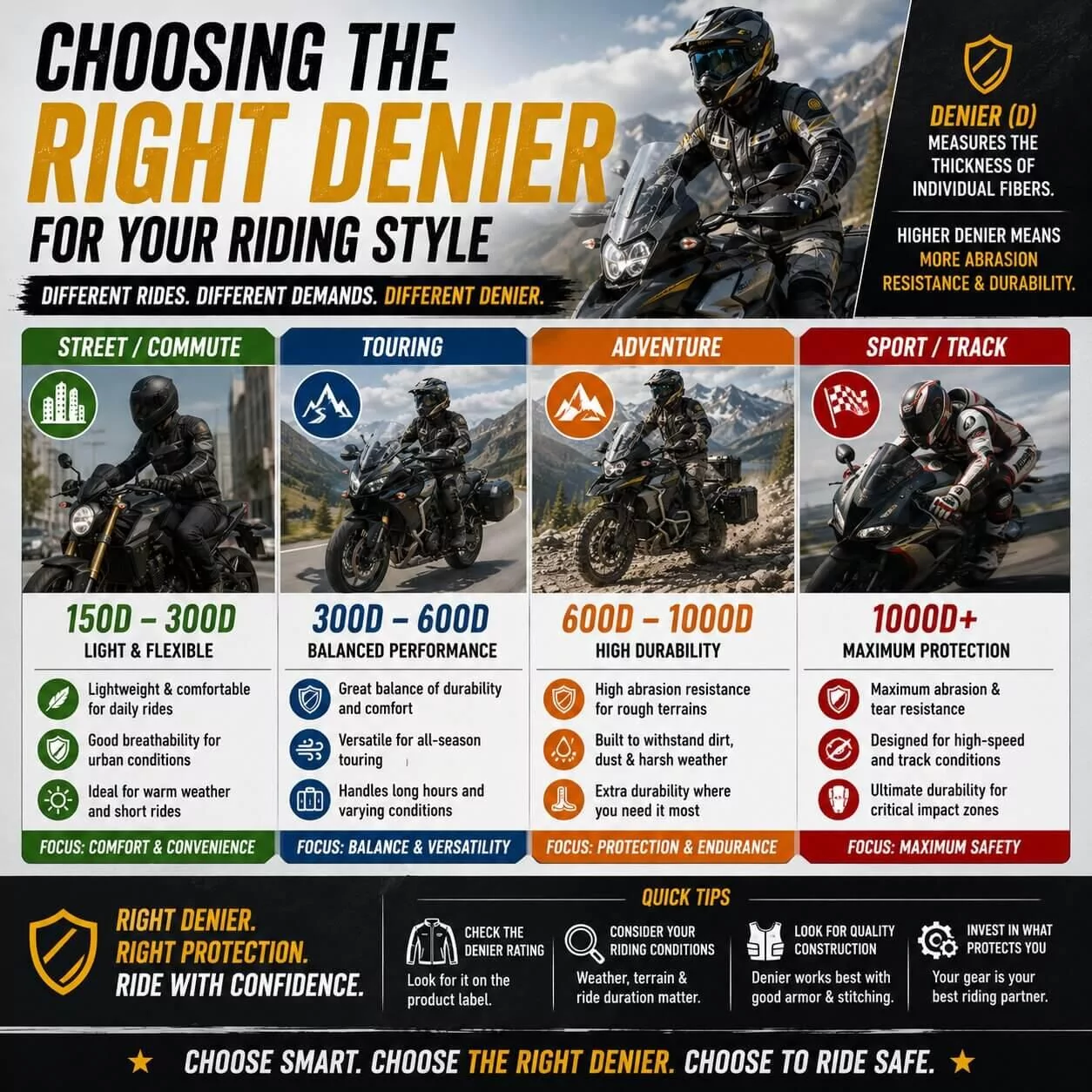
What to Check Before You Buy
When comparing motorcycle protective gear, look beyond denier alone. Check the product label or manufacturer details for these specifications:
Denier and Material: Know what you're getting. Is it 1000-denier nylon? 600-denier cordura? Different materials at the same denier weight may perform differently.
EN 17092 Rating: Look for the certification marking on the label. AAA and AA ratings indicate strong abrasion resistance and seam strength. The rating tells you more than denier alone.
Armor Specifications: Check what armor is included and where. Look for EN 1621 Level 1 or Level 2 ratings on shoulder, elbow, knee, and back protectors. Confirm that armor covers the impact zones you care about.
Seam Construction: Ask about stitching quality and reinforcement. High-denier fabric with weak seams fails faster than mid-denier fabric with excellent construction.
Fit and Movement: Try on the gear if possible. Protective features only work if the suit stays in position during a ride and doesn't restrict your movement so much that you avoid wearing it.
Damage and Repair: Ask the manufacturer about inspection and repair after a crash. Even if your gear looks fine, internal armor or fabric damage may require professional servicing or replacement.
Frequently Asked Questions
What denier should I choose for everyday commuting?
For daily commuting, a 600–900 denier textile offers a good balance of protection and comfort. You want gear you'll wear consistently, and lighter denier helps with breathability and flexibility. Make sure the suit has reinforced stitching and proper armor placement. Comfort matters because a suit you actually wear every day provides more real protection than a heavier suit you wear occasionally.
Does higher denier always mean better protection?
Higher denier offers better abrasion resistance, but it does not guarantee overall safety. A 1500-denier fabric without proper armor, seams, and fit provides less impact protection than a 900-denier suit with excellent construction and Level 2 armor. Denier is one factor in a complete protective system that also includes armor, stitching, fit, and riding behavior.
Can I use a mesh jacket for track days?
Mesh jackets typically use 300–500 denier fabric and are designed for airflow and summer riding, not track use. For track days, choose a suit with 1000+ denier textile, reinforced seams, and full armor coverage. Mesh gear offers less abrasion protection and is not suitable for high-speed sliding scenarios.
What is the difference between denier and EN 17092 ratings?
Denier measures fiber weight and thickness. EN 17092 is a safety standard that tests abrasion resistance, tear strength, seam strength, and overall garment durability. A garment's EN 17092 rating (AAA, AA, A, B, C) depends on denier plus construction quality. A high-denier fabric with poor seams might not earn a high EN 17092 rating.
Should I choose leather or textile based on denier?
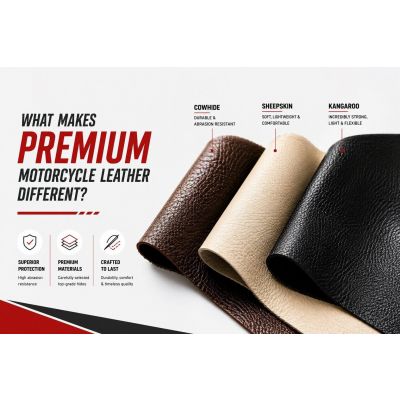
Denier applies to textile fabrics, not leather. Leather protection depends on thickness and quality, not denier. Both leather and high-denier textile can offer good abrasion resistance. Your choice depends on riding style, climate, comfort preference, and maintenance willingness. Leather requires regular conditioning; textile is often easier to care for.
Do I need armor if I buy high-denier gear?
Yes. High-denier textile protects against abrasion, but armor protects against impact force. These are separate safety functions. A 1200-denier suit without armor offers no protection to your joints and spine during a crash. Always choose gear with proper CE-certified armor in impact zones like shoulders, elbows, knees, and back.
How do I know if my gear's denier is adequate for my riding?
Consider your typical riding speed, environment, and crash risk. City riders at lower speeds can use 600–800 denier. Street riders benefit from 800–1000 denier. Track and sportbike riders should choose 1000+ denier. Check the product label, read reviews from riders with similar styles, and confirm the gear includes proper armor and strong stitching for your intended use.
Conclusion
Fabric denier is a practical tool for understanding how durable and abrasion-resistant your motorcycle gear will be. Higher denier textiles resist scraping and tearing better than lighter fabrics, which matters during a slide or crash. But denier is only one part of a complete protective system. Armor, seam quality, fit, and your riding style all contribute to real-world safety.
When shopping for protective gear, look beyond the denier number. Check the EN 17092 rating, verify armor placement and certification, examine seam construction, and make sure the suit fits your body and riding position. A thoughtfully designed mid-denier suit with excellent construction and proper armor will protect you better than a heavy-denier suit with weak seams and missing armor.
Take time to understand your own riding style and environment. Commuters, street riders, and track-day racers have different protection needs. Choose a denier range that matches your use, then verify that the full protective package—textile, armor, fit, and construction—supports the safety you need. Explore MotoSpeeds protective gear options to find a suit or jacket that combines the right denier weight, armor coverage, and fit for your riding.