Motorcycle gloves are one of the most critical pieces of protective gear riders overlook. Your hands are the first thing to hit the pavement during a slide or crash, making proper gloves selection essential for any rider—whether you're commuting through the city, touring the highway, or pushing hard on the track. A good motorcycle gloves guide helps you understand what separates casual riding gloves from real protective equipment, and how to choose gloves that match your riding style, comfort needs, and safety priorities.
Quick Answer
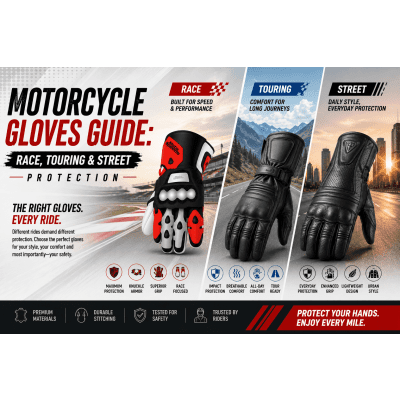
Motorcycle gloves protect your hands during slides and crashes by offering abrasion resistance, impact protection, and reinforced stitching. Quality gloves use leather or reinforced textile with CE-certified armor on impact zones like knuckles and palms. Fit matters as much as material—gloves that slip or bunch up won't protect properly. Riders should choose gloves based on their primary riding use: track gloves prioritize protection, touring gloves balance protection with comfort, and street gloves focus on visibility and everyday wearability.
Table of Contents
- What Motorcycle Gloves Mean for Rider Safety
- Why Hand Protection Matters on the Road or Track
- How Gloves Help During a Crash or Slide
- What Riders Should Check Before Buying Gloves
- Common Mistakes Riders Make When Choosing Gloves
- How Fit, Comfort, and Protection Work Together
- When Should Riders Upgrade Their Gloves?
- Final Buying Advice from MotoSpeeds
What Motorcycle Gloves Mean for Rider Safety
Your hands take the impact first in most low-speed and moderate-speed slides. Unlike your body, which is protected by a jacket or suit, your hands have no armor underneath—just skin and bone. Motorcycle gloves create a barrier between your hands and the road surface, reducing abrasion injury and protecting impact zones where fractures commonly occur.
A quality motorcycle gloves guide explains that protection comes from three main sources: the outer material (leather or textile), the construction quality (stitching and reinforcement), and the inner armor (foam or gel-based impact protectors). Together, these layers help reduce risk of road rash, broken fingers, and palm lacerations. However, no gloves fully prevents all hand injury in a crash—protection depends on impact speed, angle, slide distance, and the gloves's fit and construction.
Why Hand Protection Matters on the Road or Track
Instinctively, riders put their hands down first when losing grip or sliding. This natural reaction means your hands absorb significant force and friction. At street riding speeds, a slide lasting just a few meters can remove skin and damage soft tissue. At track speeds, the same slide can break fingers or fracture metacarpals.
City riding presents different risks. Lower speeds mean less abrasion force, but urban crashes often involve multiple impacts—sliding, hitting a curb, or catching an obstacle. Touring gloves need to balance protection with comfort for long hours in the saddle. Track gloves prioritize maximum protection because crashes happen at higher speeds where impact protection matters most.
How Gloves Help During a Crash or Slide
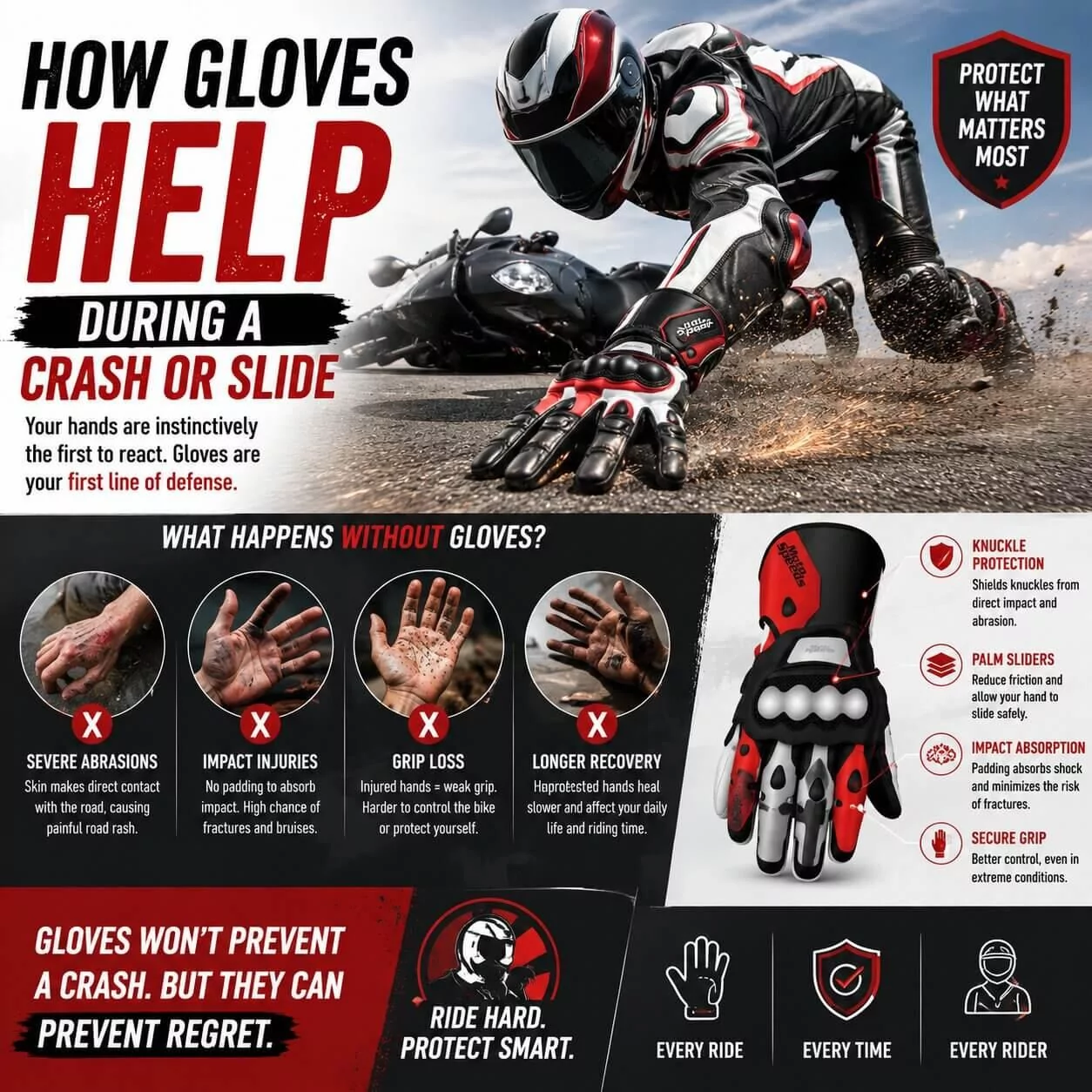
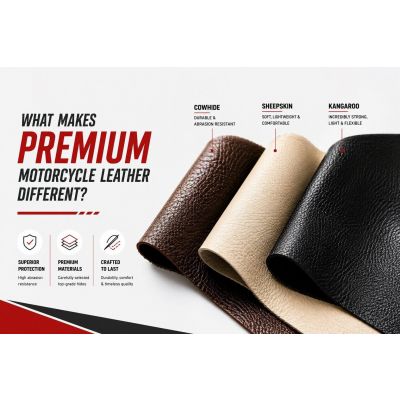
During a slide, gloves work in layers. The outer material—usually leather or reinforced textile—resists abrasion and tears. Leather offers strong abrasion resistance and durability; textile materials can offer similar protection when properly constructed with multiple layers. Reinforced stitching keeps the material from separating under stress.
Underneath, impact protectors (often CE-certified under EN 1621-1) cushion blows to knuckles, the back of the hand, and sometimes the palm. These protectors are rated Level 1 or Level 2 based on impact performance. Level 2 armor offers higher protection but may feel stiffer. Sliders on the palm and pinky side help your hand glide rather than catch, reducing rotational force on fingers and wrists.
The gloves's fit is critical. A loose gloves shifts during a crash, leaving unprotected skin exposed. A tight gloves restricts blood flow and reduces control. Proper fit keeps armor positioned correctly over impact zones and allows your hand to move naturally on the throttle and controls.
What Riders Should Check Before Buying Gloves
Before purchasing, riders should verify several key details:
Material and Construction: Check whether the gloves uses leather, textile, or a blend. Look for reinforced stitching, especially on seams and high-stress areas. Read the product description or label to understand the outer shell thickness and quality. Thicker leather or reinforced textile generally offers better abrasion resistance, but exact measurements vary by manufacturer.
Armor Certification: Look for CE certification marks on the gloves or in the product documentation. Verify that armor is rated under EN 1621-1 for limb protection. Check whether armor is Level 1 or Level 2. Confirm that armor covers knuckles, the back of the hand, and palms—the zones most exposed during a slide.
Impact Zones: Examine where the gloves places armor. Knuckle protection is standard. Palm sliders help prevent catching during slides. Some gloves add protection on the pinky side and wrist. More coverage doesn't always mean better—placement matters more than total armor quantity.
Fit and Sizing: Gloves must fit snugly without restricting movement or blood flow. Fingers should reach the fingertips without excess material. The wrist should close securely without gaps. Try on gloves with the same jacket or suit you'll wear riding, as layering affects fit. Custom sizing is available from MotoSpeeds for riders who need exact measurements.
Riding Use: Match the gloves type to your primary riding. Track gloves prioritize protection over comfort. Touring gloves add ventilation and padding for long rides. Street gloves balance protection with everyday usability, often including touchscreen compatibility or reflective panels for visibility.
Riders who want to compare related MotoSpeeds protective gear can explore for options built around fit, protection, and riding use.
Common Mistakes Riders Make When Choosing Gloves
Buying by Price Alone: Inexpensive gloves often lack proper armor, reinforced stitching, or certified impact protection. They may feel comfortable initially but offer minimal protection during a slide. Investing in quality gloves is investing in hand safety.
Choosing Style Over Fit: A gloves that looks great but doesn't fit properly won't protect effectively. Loose gloves shift during impact, leaving skin exposed. Tight gloves restrict movement and reduce control. Fit should always come first.
Ignoring Armor Placement: Some budget gloves add armor in low-impact zones or use thin, unrated protectors. Verify that armor covers actual impact zones—knuckles, back of hand, and palms. Check for CE certification and EN 1621 ratings.
Not Considering Riding Use: A heavy track gloves isn't ideal for daily city commuting, and a lightweight street gloves won't provide enough protection for track riding. Match the gloves type to your primary use.
Overlooking Maintenance: Damaged gloves or gloves with separated seams won't protect properly. Regular inspection and care extend gloves life and keep protection intact.
How Fit, Comfort, and Protection Work Together
Fit is not separate from protection—it's essential to it. A gloves that moves around on your hand during a crash leaves skin exposed where the gloves has shifted. Proper fit keeps armor positioned over impact zones and maintains the gloves's structural integrity during a slide.
Comfort affects whether you'll wear the gloves consistently. Uncomfortable gloves get left behind, and no protection is worse than any protection. Quality gloves balance protection with breathability, flexibility, and a secure fit that doesn't restrict hand movement on the throttle, brake lever, or clutch.
For street riding, comfort often means gloves that work in varied weather—not too hot in summer, not too cold in winter, and water-resistant for unexpected rain. For track riding, comfort is secondary to protection, but gloves still need to allow precise throttle and brake control.
Long-distance touring demands gloves that reduce hand fatigue and vibration. Padding on the palm and wrist can help, but the fit must remain snug to avoid bunching or slipping. Custom sizing ensures that riders with smaller or larger hands get proper protection without compromise.
When Should Riders Upgrade Their Gloves?
After a Crash: Gloves that have slid on pavement may have damaged material, separated seams, or compromised armor. After-crash inspection is important. Significant damage may mean the gloves needs repair or replacement to maintain protection.
When Changing Riding Style: A rider who moves from street riding to track days should consider upgrading to track-specific gloves with higher protection. Similarly, a track rider who adds touring should have gloves suited to longer rides and varied weather.
When Fit Changes: Hand size can change due to injury, age, or other factors. Gloves that no longer fit properly should be replaced to maintain protection and control.
When Armor Degrades: Over time, foam armor can compress or gel-based protectors can lose effectiveness. Periodic inspection helps identify when armor needs servicing or replacement.
When Seams or Material Fail: Separated seams, tears, or material breakdown reduce abrasion resistance. Damaged gloves should be inspected and repaired or replaced depending on severity.
Final Buying Advice from MotoSpeeds
Choosing the right motorcycle gloves means thinking beyond style or price. Start by identifying your primary riding use—track, touring, or street. Then prioritize fit, material quality, and armor certification. A gloves that fits well, uses reinforced construction, and carries CE-certified armor will serve you far better than a cheaper option that compromises on any of these factors.
Don't assume one gloves works for every situation. Track gloves and street gloves have different priorities. If you ride in multiple environments, consider having gloves suited to each use. Custom sizing ensures that riders with non-standard hand sizes get proper fit and protection without settling for generic options.
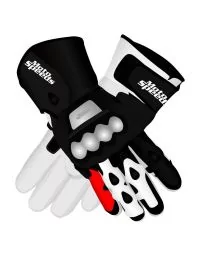
For riders comparing a real gear example,
shows how construction, fit, and protective features can work together.Remember that gloves are part of a complete protective system. A quality motorcycle gloves guide is just one piece—pairing good gloves with a protective jacket, reinforced pants, and proper boots creates comprehensive hand, arm, and body protection. Invest in gear that matches your riding speed and environment, maintain it properly, and inspect it regularly. Your hands will thank you.
Frequently Asked Questions
What makes a motorcycle gloves protective?
A protective gloves combines three elements: durable outer material (leather or reinforced textile) that resists abrasion, reinforced stitching that holds seams together under stress, and CE-certified impact armor (EN 1621-1) on knuckles, back of hand, and palms. The gloves must also fit snugly so armor stays positioned correctly. Material thickness, armor placement, and fit all contribute to protection level.
Should I choose leather or textile motorcycle gloves?
Both can offer strong protection when properly constructed. Leather provides excellent abrasion resistance and durability, and many riders prefer its feel and classic look. Reinforced textile can offer similar protection, better breathability, and easier care. The choice depends on your riding use, climate, and personal preference. What matters most is material quality, construction, and fit—not the material type alone.
What does CE certification mean for gloves?
CE certification indicates that the gloves meets European safety standards. For gloves, the relevant standard is EN 1621-1 for limb protectors. This means the armor has been tested for impact protection and rated Level 1 or Level 2. CE certification doesn't mean the gloves is perfect for every rider—it means the armor meets a specific impact standard. Always check the product label for exact certification details.
How do I know if my gloves fit properly?
Proper fit means the gloves is snug but not tight. Fingers should reach the fingertips without excess material. The wrist should close securely without gaps. You should be able to make a fist and operate controls without restriction. Try gloves with the jacket or suit you'll wear riding, as layering affects fit. If gloves shift or bunch during movement, they don't fit properly and won't protect as intended.
Can I wear the same gloves for track and street riding?
You can, but it's not ideal. Track gloves prioritize maximum protection and may feel stiff for everyday street use. Street gloves balance protection with comfort and visibility, but may not offer enough protection for high-speed track riding. If you ride in multiple environments, having gloves suited to each use is better. Many riders keep track gloves and street gloves separate.
What should I do if my gloves get damaged?
Inspect the damage carefully. Minor scuffs don't affect protection. Separated seams, torn material, or compressed armor may reduce protection and should be evaluated. After a crash, have gloves inspected to determine if repair or replacement is needed. Damaged armor or significant material loss typically means replacement is necessary to maintain adequate protection.
Do motorcycle gloves need special care?
Regular care extends gloves life. Leather gloves benefit from periodic cleaning and conditioning to maintain flexibility and water resistance. Textile gloves are often easier to clean and care for. Allow gloves to air dry naturally—never use direct heat. Check seams and material regularly for damage. Proper care keeps your gloves functional and protective for years of riding.