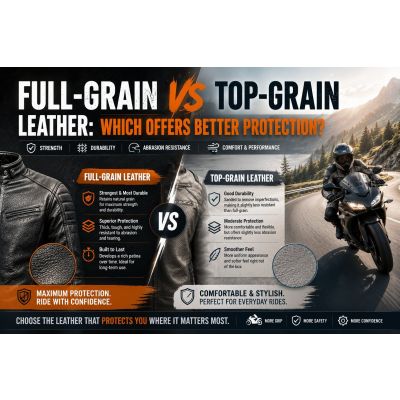
Full-Grain vs Top-Grain Leather: Which Offers Better Protection?
When you're shopping for a protective motorcycle suit, one of the first questions you'll encounter is about leather quality. Riders often hear terms like "full-grain" and "top-grain" and wonder which type truly offers better crash protection. The answer matters because your choice of leather directly affects abrasion resistance, durability, and how well your gear performs in a slide. A full-grain leather motorcycle suit is built from the strongest part of the hide, and understanding why can help you make a smarter investment in your safety.
Quick Answer
Full-grain leather offers better abrasion resistance and durability than top-grain leather because it retains the hide's natural surface and full thickness. Full-grain is less processed, stronger, and better suited for protective motorcycle gear. Top-grain leather is thinner, softer, and more comfortable for casual wear, but it's less effective at resisting road friction during a slide. For riders prioritizing crash protection on the street or track, full-grain is the superior choice. Comfort and fit still matter, but material quality is foundational to protective performance.
Table of Contents
- What Does Leather Quality Mean for Rider Safety?
- Understanding Full-Grain Leather
- Understanding Top-Grain Leather
- How Full-Grain and Top-Grain Compare in a Crash
- Fit, Comfort, and Protection Work Together
- What to Check Before Buying a Leather Suit
- Common Mistakes Riders Make When Choosing Leather Gear
What Does Leather Quality Mean for Rider Safety?
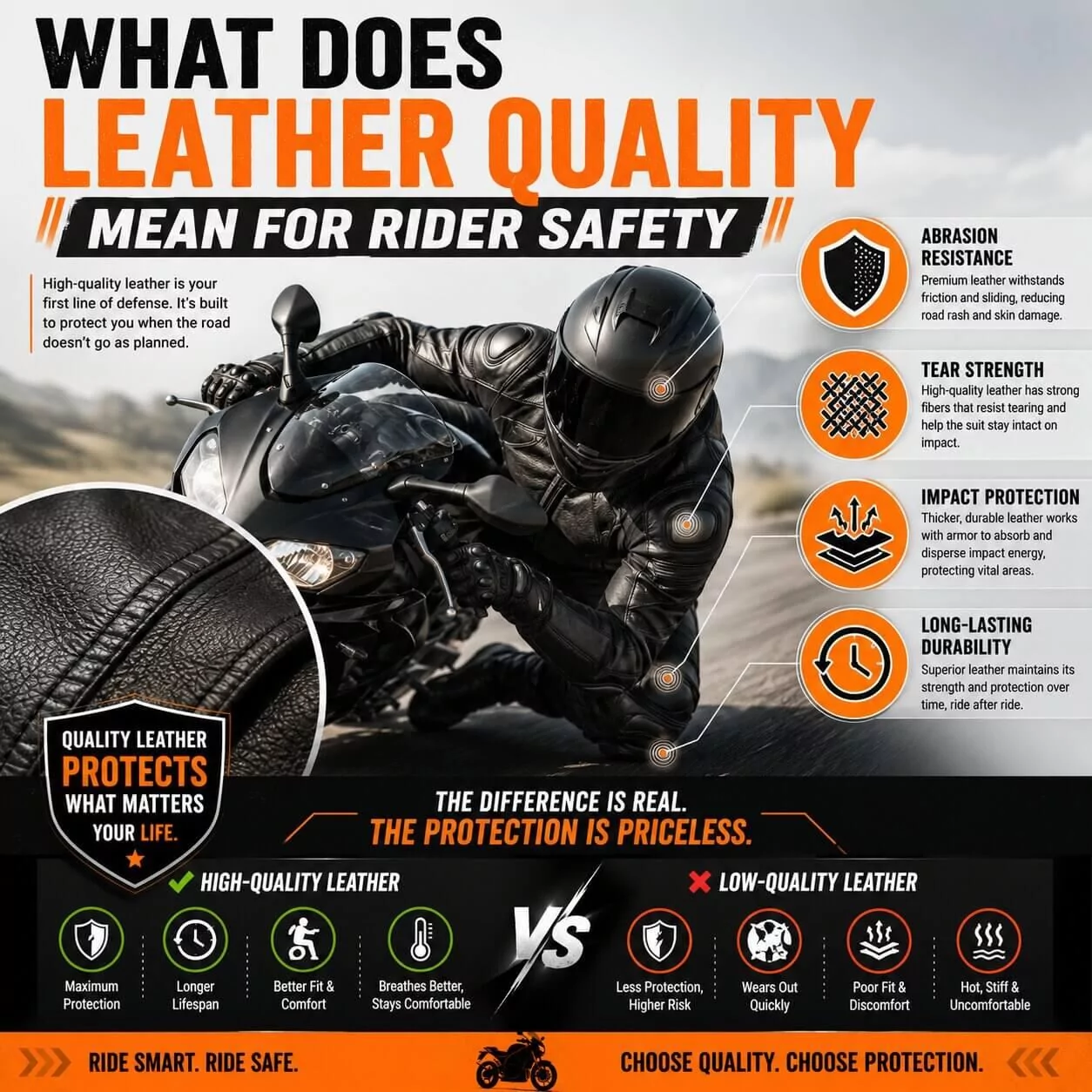
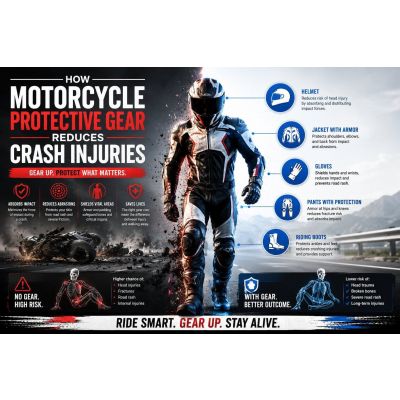
Leather is one of the most effective materials for abrasion resistance in motorcycle protective gear. When you slide across pavement during a crash, the top layers of your gear take the brunt of the friction. High-quality leather can withstand this grinding contact longer than weaker materials, giving you more time and distance before the leather breaks down and exposes the armor or padding underneath.
Not all leather is created equal. The way a hide is processed—how much of it is used, how much is sanded away, and what finishes are applied—directly affects how well it protects you. Understanding the difference between full-grain and top-grain helps you choose gear that matches your riding style and safety priorities.
Understanding Full-Grain Leather
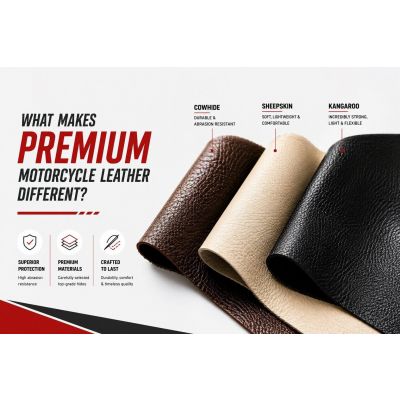
Full-grain leather is the entire hide with the natural surface intact. During processing, the hide is cleaned and treated, but the outer layer (the grain) is never sanded off or buffed away. This means you get the hide's full thickness and natural strength. Full-grain leather is denser, tougher, and more resistant to abrasion than any other leather grade.
Because full-grain retains its natural surface, it shows character marks, scars, and variations from the animal. Some riders see this as a visual downside, but it's actually proof of authenticity and strength. The natural grain also helps the leather age well. Over time, full-grain develops a patina and becomes more supple, yet it doesn't lose protective performance.
For a full-grain leather motorcycle suit, the material is naturally thicker and requires more effort to break in. This is why many full-grain suits feel stiffer when new. However, once broken in, they offer superior abrasion resistance and durability. Full-grain is the standard for professional racing suits and track-day gear because the protection benefit outweighs the initial comfort trade-off.
Understanding Top-Grain Leather
Top-grain leather is what remains after the top surface of the hide is sanded, buffed, or otherwise removed. This process strips away the natural grain and some of the hide's thickness. The remaining material is then refinished with a protective coating to create a uniform appearance.
Top-grain leather is softer, more pliable, and more comfortable right out of the box compared to full-grain. It's also more uniform in appearance because the natural variations have been sanded away. For everyday fashion leather jackets, top-grain is popular because riders don't have to wait for a break-in period.
The downside is that top-grain is thinner and weaker than full-grain. The sanding process removes material and strength. The protective coating, while useful for water resistance and aesthetics, doesn't compensate for the lost density. In a high-speed slide, top-grain leather will abrade faster than full-grain, meaning your armor and padding are exposed sooner.
How Full-Grain and Top-Grain Compare in a Crash
When a rider slides across pavement, the leather acts as the first line of defense against friction burns and abrasion. The longer the leather lasts, the better the protection. Full-grain leather, because of its density and thickness, resists this abrasion significantly longer than top-grain.
In real-world crash scenarios, riders wearing full-grain suits often report that the leather shows visible wear—scuffs, marks, and surface damage—but the armor underneath remains in place and intact. With top-grain, the leather may break through faster, exposing the protective layers beneath sooner. This doesn't mean top-grain offers no protection; it means full-grain offers more time and distance of protection before the outer layer fails.
Armor placement also matters. Even the best leather won't protect you if the armor underneath is missing or poorly positioned. Full-grain leather supports better armor retention because it's stronger and more resistant to tearing at seams and stress points.
Riders who want to compare related MotoSpeeds protective gear can explore
for options built around fit, protection, and riding use.Fit, Comfort, and Protection Work Together
Leather quality alone doesn't determine protection. Fit is equally important. A perfectly constructed full-grain suit that doesn't fit properly won't stay in place during a crash. Armor can shift, seams can strain, and the suit can bunch up, reducing its protective value.
Top-grain leather, despite being weaker, can still provide adequate protection if the suit fits well, the armor is correctly positioned, and the seams are reinforced. Many riders choose top-grain for city riding or casual street use because the comfort benefit is meaningful for shorter trips, and the crash risk is lower than on a track.
Full-grain suits are worth the break-in period if you ride regularly, do track days, or ride sportbikes at higher speeds. The durability and abrasion resistance justify the initial stiffness. For long-distance touring, street commuting, or casual weekend rides, some riders prefer top-grain because the comfort during riding hours outweighs the slightly lower crash protection.
The best choice depends on your riding use, not just on material alone. A well-fitted full-grain suit offers the most protection. A comfortable top-grain suit that fits perfectly is better than a full-grain suit that's too tight or too loose.
What to Check Before Buying a Leather Suit
When comparing leather motorcycle suits, look beyond the leather type alone. Check the product label or manufacturer documentation for these details:
Leather Grade: Look for "full-grain" or "top-grain" in the product description. Full-grain is the stronger choice for protective gear.
Seam Reinforcement: Examine photos and descriptions for reinforced stitching, double seams, or triple-stitched stress points. Seams are common failure points in a crash.
Armor Certification: Check for EN 1621 certified armor in the shoulders, elbows, knees, and back. Look for Level 1 or Level 2 ratings. Verify that the armor is removable or fixed, and that it won't shift during riding.
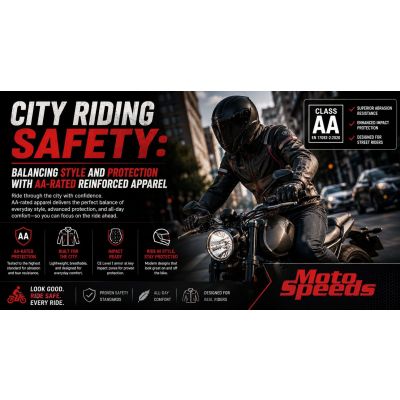
Garment Rating: Look for EN 17092 classification (AA, A, B, or C). AA is the highest abrasion and tear rating for the garment itself. This rating applies to leather, textile, and mesh materials.
Fit and Sizing: Protective gear must fit snugly without restricting movement. Many riders need custom sizing for proper protection. Check the return policy and sizing guide before purchasing.
Construction Details: Look for reinforced panels in high-impact zones (elbows, shoulders, knees, hips). Check for quality zippers, durable hardware, and attention to detail in seams and edges.
Common Mistakes Riders Make When Choosing Leather Gear
Prioritizing Comfort Over Protection: Choosing top-grain purely for comfort without considering your riding speed or frequency is a common mistake. If you ride regularly or at higher speeds, the protection benefit of full-grain outweighs the break-in period.
Assuming Full-Grain Is Always Best: Full-grain is stronger, but it's not the only factor. A poorly fitted full-grain suit or one with weak seams offers less protection than a well-constructed, properly fitted top-grain suit. Fit matters as much as material.
Ignoring Armor Quality: Buying a full-grain suit without checking the armor certification or placement is a mistake. Leather quality is only part of the equation. The armor underneath must be certified, correctly positioned, and properly secured.
Skipping the Break-In: Full-grain leather requires a break-in period. Some riders buy a full-grain suit and wear it only occasionally, never allowing the leather to soften and conform. Regular riding helps the leather mold to your body and improves both comfort and fit.
Not Checking Seams and Reinforcement: Two suits with the same leather type can have very different protective performance if one has reinforced seams and the other doesn't. Always check for triple stitching in stress zones.
Buying Based on Price Alone: A cheap full-grain suit with poor seams and weak armor isn't better than a well-made top-grain suit with certified protection. Balance material quality, construction, armor, and fit when evaluating price.
For riders comparing a real gear example,
shows how construction, fit, and protective features can work together.Conclusion
Full-grain leather offers superior abrasion resistance and durability compared to top-grain, making it the better choice for protective motorcycle gear. The natural surface and full thickness of full-grain provide longer-lasting protection during a slide, which is why it's the standard for racing suits and serious riders. However, protection is built on more than material alone—fit, armor certification, seam reinforcement, and construction quality all matter equally.
Your choice between full-grain and top-grain should reflect your riding use. Full-grain is worth the break-in period if you ride regularly, do track days, or ride at higher speeds. Top-grain can work for city riding or casual street use if the suit is well-constructed and properly fitted. Either way, prioritize fit, check the armor certification, and verify the seam quality before purchasing.
The best protective gear is the suit you'll actually wear and that fits well enough to stay in place during a crash. Explore MotoSpeeds' range of full-grain leather motorcycle suits and protective options to find the right balance of protection, comfort, and fit for your riding style. Your safety starts with choosing quality gear and maintaining it properly.
FAQs
Is full-grain leather always better than top-grain for motorcycle protection?
Full-grain leather is stronger and more abrasion-resistant than top-grain, making it the superior choice for crash protection. However, protection depends on more than material alone. A full-grain suit with poor seams, incorrect armor placement, or bad fit offers less protection than a well-constructed, properly fitted top-grain suit. Leather quality is foundational, but construction, armor certification, and fit all matter equally.
How long does full-grain leather take to break in?
Full-grain leather typically softens and conforms to your body after several rides, usually within a few weeks of regular use. The break-in time varies by leather thickness, treatment, and individual use. Wearing the suit during short rides before committing to long trips helps speed up the process. Once broken in, full-grain becomes more comfortable while maintaining its protective strength.
Can top-grain leather provide adequate crash protection?
Yes, top-grain leather can provide adequate protection if the suit is well-constructed, properly fitted, has reinforced seams, and includes certified armor. Top-grain is thinner and abrades faster than full-grain, but it still resists friction better than textile materials. For city riding, casual street use, or lower-speed riding, top-grain with good construction can be sufficient. For track days or high-speed riding, full-grain is the better choice.
What's the difference between EN 17092 and leather grade?
Leather grade (full-grain vs. top-grain) describes the material itself. EN 17092 is a safety standard that rates the entire garment's abrasion resistance, tear strength, and seam strength. A full-grain suit can be rated AA, A, B, or C under EN 17092. A top-grain suit can also be rated under the same standard. The letter grade tells you how well the finished garment resists abrasion; the leather type tells you about the material's inherent strength.
Should I choose full-grain or top-grain for summer riding?
Full-grain leather is heavier and retains more heat, making it less comfortable for summer riding. Top-grain is lighter, more breathable, and softer, making it better for hot weather. However, many full-grain suits are designed with ventilation panels, mesh liners, and stretch zones to improve summer comfort. If summer comfort is your priority, look for a well-ventilated full-grain suit with removable liners rather than switching to top-grain for protection reasons alone.
How do I know if my leather suit is full-grain or top-grain?
Check the product label, product description, or manufacturer documentation. Full-grain leather shows natural grain patterns and variations on the surface. Top-grain leather has a more uniform, processed appearance. If you're unsure, contact the manufacturer or retailer and ask for the leather grade. Reputable protective gear makers always disclose this information.
Does leather need special care to maintain protection?
Yes. Clean your leather suit regularly with a damp cloth and mild soap. Dry it naturally away from heat. Use a leather conditioner periodically to keep the material supple and prevent cracking. Store it in a cool, dry place away from direct sunlight. After a crash, inspect the leather and seams carefully. Damaged leather or torn seams may need repair or replacement to maintain protective integrity. Check the manufacturer's care instructions for specific guidance.