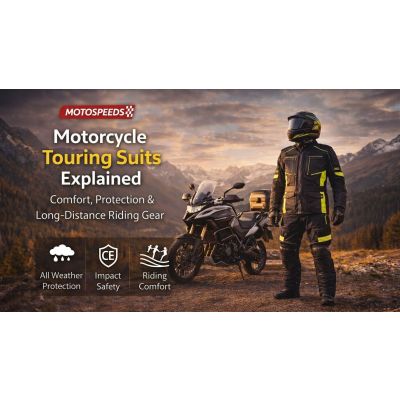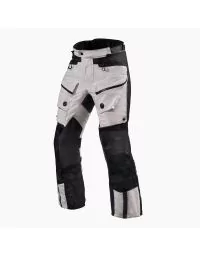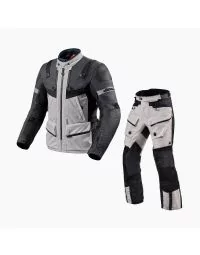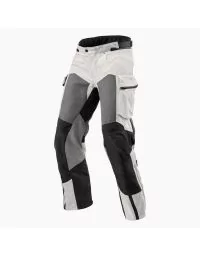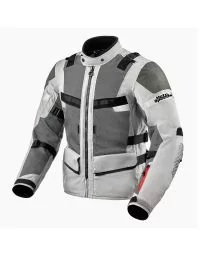
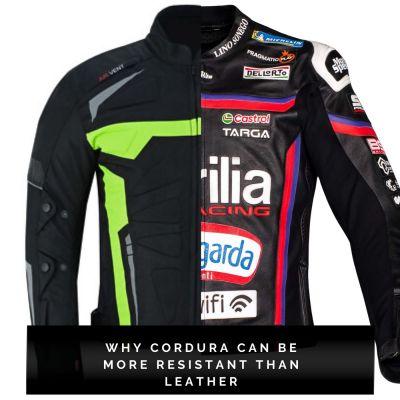
When it comes to protective riding gear, the debate between traditional leather and advanced synthetic fabrics like Cordura is ongoing. While leather has a long-standing reputation for durability and abrasion resistance, Cordura has emerged as a modern alternative that can, in some cases, outperform leather. This guide explores why Cordura may actually be more resistant and why riders and outdoor enthusiasts are increasingly turning to it.
Cordura Strengthens Riders
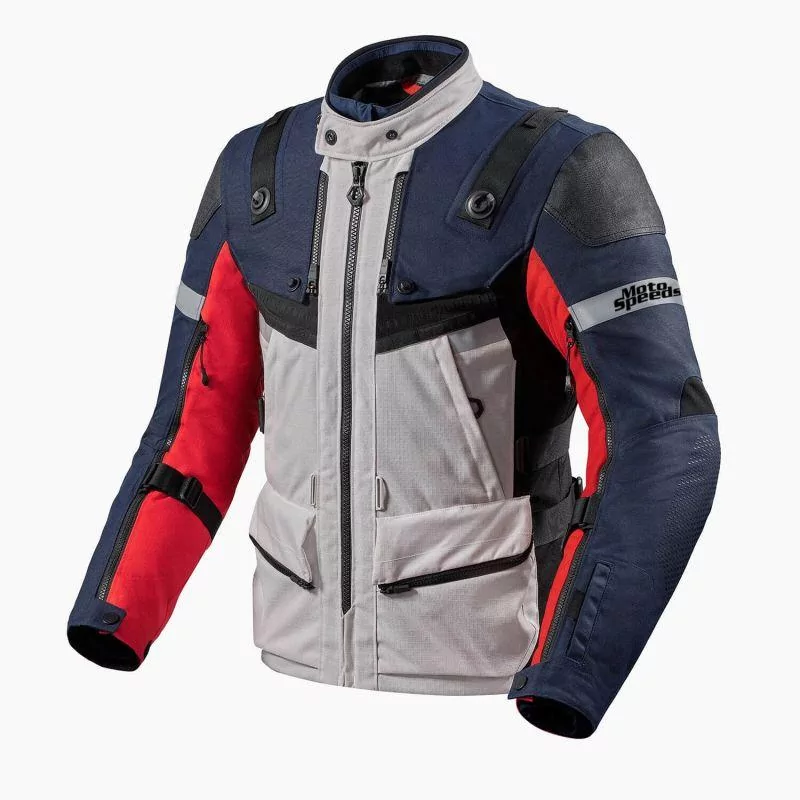
Cordura isn’t just another fabric—it’s a material engineered to empower riders with next-level protection. Built from ultra-durable nylon fibers and advanced weaving techniques, Cordura is designed to handle the toughest environments on and off the road. For riders, this means extra confidence when facing high-speed winds, long-distance touring, or unpredictable road conditions.
By choosing gear reinforced with Cordura, riders gain:
- Enhanced Protection: Its dense weave shields against abrasions and impacts.
- Lightweight Comfort: Unlike heavy leather, Cordura keeps mobility intact.
- Weather Defense: Rain, wind, and even heat are less of a concern with .
In short, Cordura doesn’t just cover you—it strengthens your ability to ride longer, safer, and with greater confidence.
Leather’s Strengths and Limitations
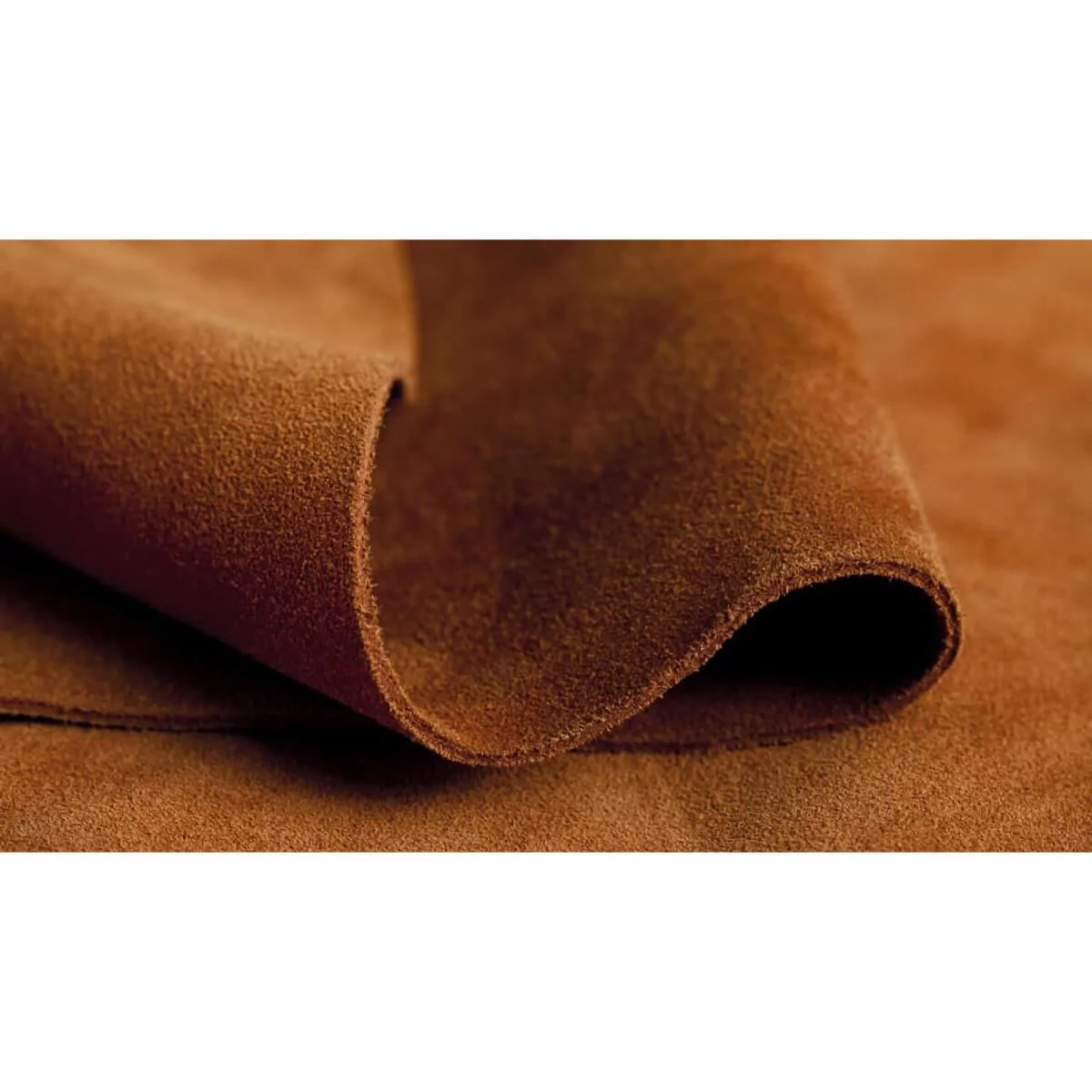
Leather, particularly cowhide and kangaroo hide, has long been the gold standard in protective motorcycle gear. It offers excellent abrasion resistance and can mold to the body over time, giving riders both comfort and protection. However, leather comes with some drawbacks:
- Weight: Leather can be heavy, which may reduce comfort during long rides.
- Water Resistance: Leather absorbs water, requiring regular treatment to prevent stiffness or cracking.
- Breathability: It can get hot and uncomfortable in warm climates.
- Maintenance: To maintain its protective properties, leather requires conditioning and care.
How Cordura Outperforms Leather
Advances in textile engineering have allowed Cordura to rival and sometimes surpass leather in certain performance areas. Here’s how:
1. Abrasion Resistance
Cordura is woven with extremely strong nylon fibers that resist tearing and scuffing. In standardized abrasion tests, high-denier Cordura fabrics can last longer against friction than certain types of leather, making it highly effective for motorcycle jackets, pants, and luggage.
2. Lightweight Strength
Compared to leather, Cordura offers similar or superior protection at a fraction of the weight. This makes it ideal for riders who want maximum safety without sacrificing mobility and comfort.
3. Weather Resistance
Unlike leather, Cordura is naturally resistant to water and does not stiffen when wet. It can be treated with durable water-repellent (DWR) coatings to increase waterproofing, making it reliable in all weather conditions.
4. Versatility
Cordura comes in different grades and blends, including Cordura Ballistic Nylon and Cordura Denim, each designed for specific uses. This versatility means it can be tailored for motorcycle suits, adventure gear, backpacks, and even military applications.
The Future of Riding Gear
While leather will always have its place in motorcycle racing and high-speed sports due to its natural resistance, Cordura continues to gain popularity in urban, touring, and adventure riding. Its ability to combine abrasion resistance, weather protection, and comfort makes it a strong contender as the fabric of the future.