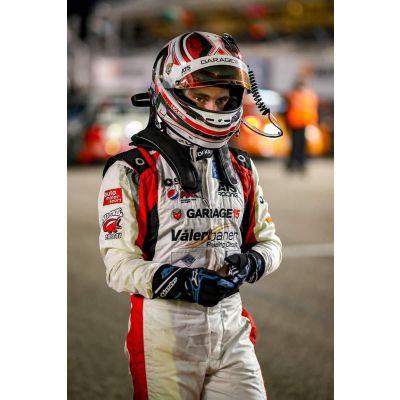
When it comes to motorsport safety, your racing suit isn’t just about looking sharp on the track—it’s your first line of defense in case of fire or accidents. With so many options available, choosing the right racing suit can feel overwhelming. From certifications to materials and fit, every detail matters. This ultimate guide will walk you through everything you need to know before investing in your next racing suit.
What to Look For in a Racing Suit
The best racing suit blends safety, comfort, and performance. Before you add one to your cart, ask yourself:
- Does it meet official certification standards?
- What materials and layers is it made from?
- Does it provide a snug but comfortable fit?
- Can it be customized for my needs and style?
Getting these answers right ensures that your suit not only complies with racing regulations but also gives you confidence behind the wheel.
Does It Meet Certification Requirements?
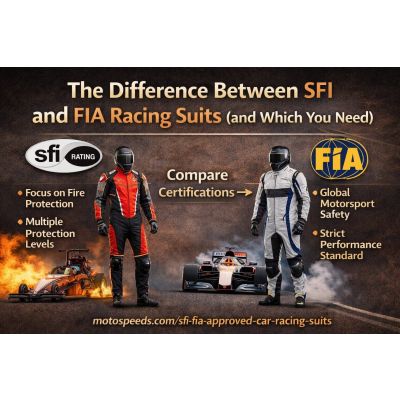
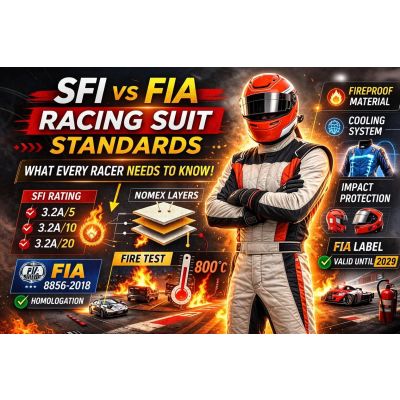
Not every racing suit is created equal. Motorsports governing bodies such as SFI Foundation (SFI) and FIA (Fédération Internationale de l’Automobile) set strict safety standards. Your choice depends on the racing series you participate in and the certification requirements they enforce.
What Does SFI Rating Mean?
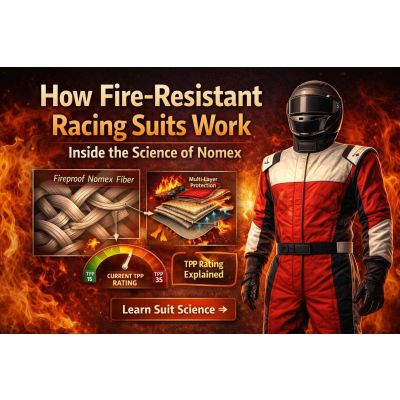
The SFI rating is a safety benchmark that evaluates a suit’s fire protection performance. Suits undergo rigorous testing, and the results determine how long a driver is protected from second-degree burns in a fire situation.
Key measures include:
| TPP Value (Thermal Protective Performance) | Time to Second-Degree Burn |
| This number shows how much heat exposure a suit can withstand. The higher the TPP value, the better the protection. | This represents the number of seconds a suit can protect you before skin damage occurs. Multiply the TPP value by two, and you’ll know how many seconds of protection the suit provides. |
For example, a suit with a TPP of 19 gives you about 9.5 seconds before second-degree burns, while a TPP of 35 gives you 17.5 seconds. Those extra seconds could make all the difference.
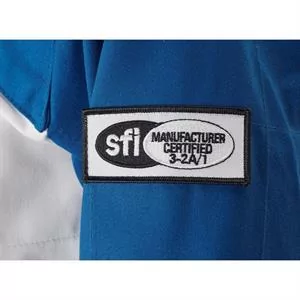
Racing Series That Require SFI 3.2A/1 Certification
Suits with SFI 3.2A/1 certification are entry-level, single-layer suits. They are typically accepted in:
- Local drag racing events
- Entry-level stock car races
- Amateur or grassroots competitions
These suits are lightweight, affordable, and provide basic fire protection. However, they may not be enough for more demanding racing series.
Racing Series That Require SFI 3.2A/5 Certification
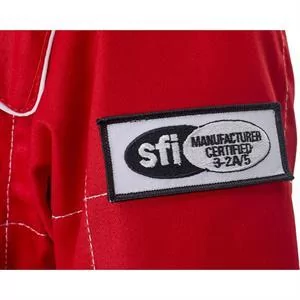
For higher levels of racing, you’ll often need SFI 3.2A/5 certification, which means multi-layer protection. These suits are accepted in:
- NHRA drag racing
- NASCAR and ARCA events
- Professional road racing series
Multi-layer suits offer significantly higher TPP values, giving you more time in the event of a fire. They’re heavier than single-layer suits, but modern designs balance safety with comfort and breathability.
What Is FIA Certification?
The FIA standard is recognized worldwide and often required for international competitions. FIA-certified suits undergo extensive fire and heat resistance testing and are considered the gold standard for professional racing. If you plan on racing globally or at top-tier events, an FIA-approved suit is a must.
Racing Suit Materials and Construction
The performance of a racing suit largely depends on its materials and how it’s built.
- Nomex®: The most common material, Nomex is inherently fire-resistant and doesn’t lose its protective qualities over time.
- Kevlar® blends: Often used to reinforce high-wear areas, adding durability without sacrificing flexibility.
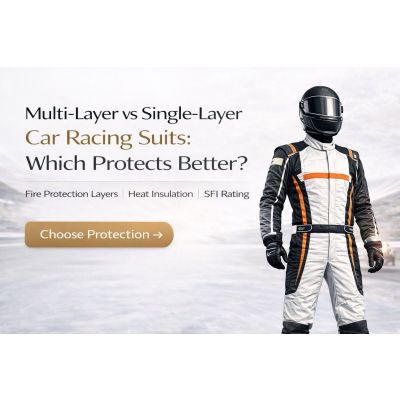
- Multi-layer construction: Suits may have two or three layers for added protection. More layers mean higher safety but also more weight and heat retention.
Modern racing suits use advanced stitching, stretch panels, and breathable fabrics to ensure mobility and comfort without compromising safety.
How to Choose the Right Fit for Your Racing Suit

Safety and comfort go hand in hand. A poorly fitting suit can restrict your movement and even pose risks in emergencies. Here’s what to consider:
- Snug but not tight: The suit should sit close to your body but still allow for easy movement.
- Sleeve and leg length: Make sure sleeves reach your wrists and legs cover your ankles without bunching up.
- Torso length: If the suit is too short, it will pull when you sit, causing discomfort.
- Try sitting in a racing position: Always test the suit in a seated posture to mimic how you’ll wear it in the car.
If standard sizes don’t work for your body type, a custom racing suit is your best bet.
Custom Race Suits
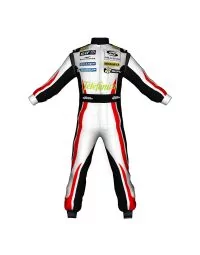
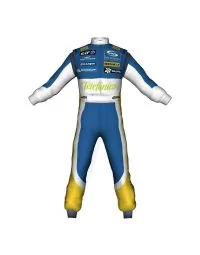
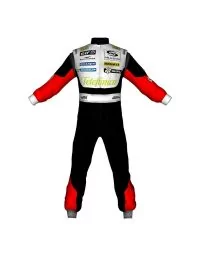
For drivers who want the perfect fit and a personalized style, custom suits are a fantastic option. You can choose everything from the number of layers to color schemes and embroidery. Customization ensures comfort, compliance, and branding for professional teams.
Start Shopping for Your Suit!
Your racing suit is more than just gear—it’s an investment in your safety and performance. Always check certification requirements, choose the right material and number of layers, and make sure the fit feels natural in the driver’s seat.
Whether you’re a weekend warrior at your local track or competing in international FIA-sanctioned events, the right racing suit can make all the difference. Explore Motospeeds’ collection of SFI and FIA approved and find the one that matches your needs.
Stay safe. Race smart. And suit up for victory.