Table of Contents
- Introduction
- Why Urban Riding Safety Matters
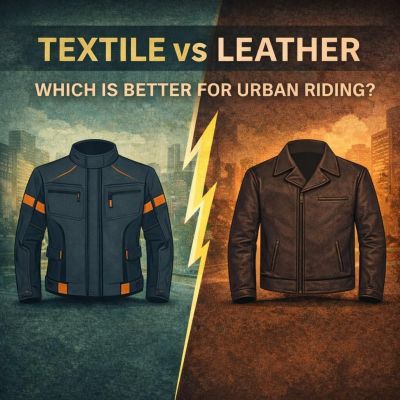
- Textile vs Leather – Quick Overview
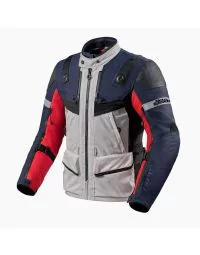
- Textile Jackets for Commuters
- Leather Jackets for City Riders
- City Riding Comfort: Heat, Rain, and Stop-and-Go Traffic
- Fit, Armor, and Protection Zones
- How to Choose the Right Gear for Your Commute
- MotoSpeeds Urban Gear: Blending Style and Safety
- Conclusion
- FAQs
Introduction
If you ride in the city every day, you have probably asked yourself this question at least once: should I wear a textile jacket or a leather one? Both look good, both claim to be safe, and both show up in every photo of “cool riders.”
But when traffic gets messy and the road turns slick, looks do not matter as much as protection and comfort. The right gear can turn a stressful commute into a controlled, confident ride. The wrong gear can leave you sweaty, distracted, and unprotected when you need it most.
In this guide, we will walk through the strengths and weaknesses of each option so you can make smart choices about urban riding safety. We will compare real-world scenarios, from hot summer commutes to rainy late-night rides, and show you how to build the best setup for your lifestyle.
Why Urban Riding Safety Matters
City riding rarely looks extreme, but it is one of the most dangerous environments for motorcyclists. You deal with cars changing lanes with no signal, sudden stops, potholes, slick paint lines, and pedestrians who step out without looking.
Unlike track crashes, urban accidents often happen at lower speeds but in tighter spaces, with more hard objects nearby: curbs, bumpers, mirrors, and guard rails. That means you still need real protection, even if you never see 100 km/h on your commute.
Good urban gear has to do three jobs at once:
- Protect your skin from abrasion in a slide.
- Absorb impact with armor in the shoulders, elbows, back, hips, and knees.
- Keep you comfortable enough to stay focused in traffic.
Textile vs Leather – Quick Overview
Before we dig into the details, here is a quick snapshot of how the two materials compare for city use.
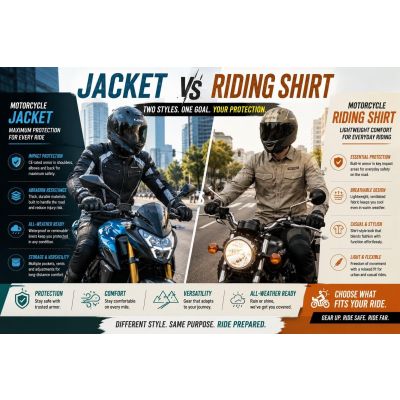
Textile Urban Jackets
- Excellent ventilation and lighter weight.
- Often waterproof or water-resistant.
- Easy to adjust with liners and vents.
- Great for all-weather commuters.
Leather Urban Jackets
- Superior abrasion resistance in a slide.
- Classic style that never goes out of fashion.
- Breaks in over time and molds to your body.
- Best for dry or cooler climates and spirited rides.
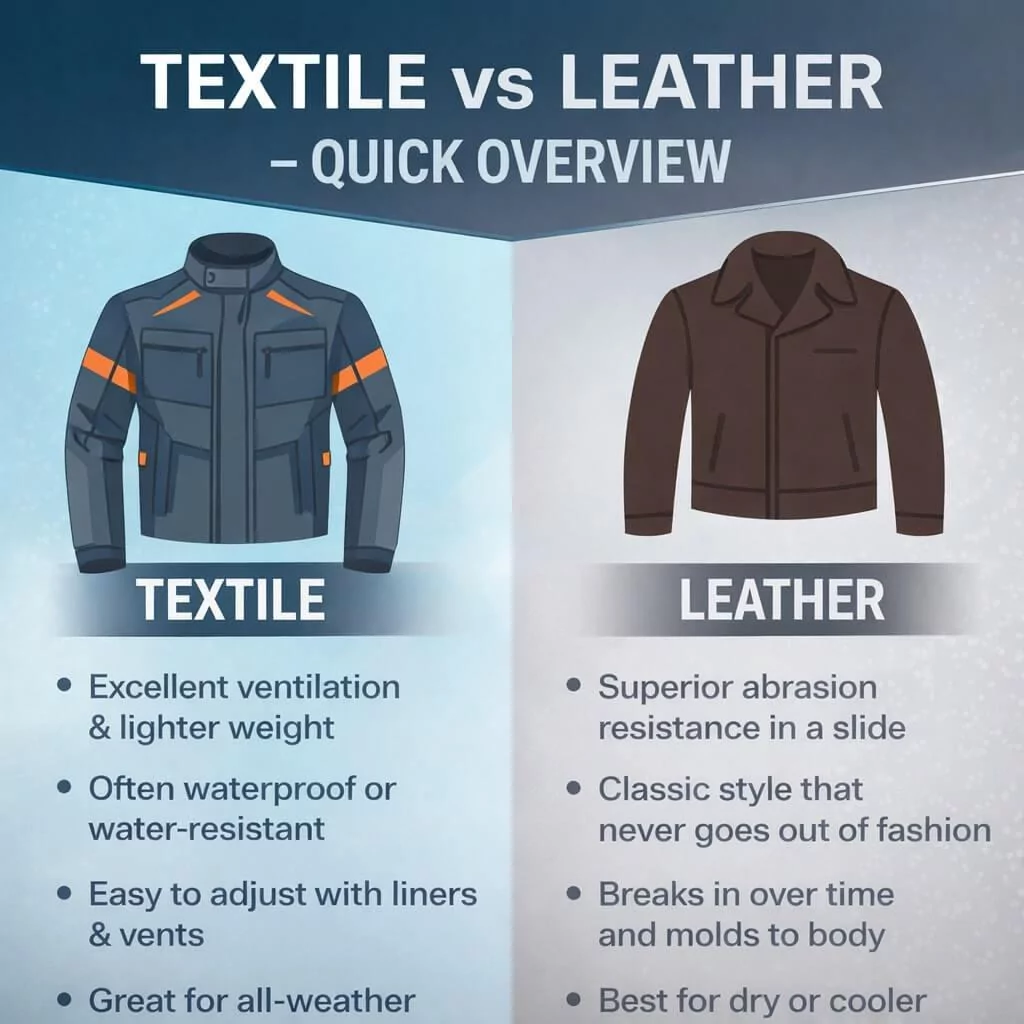
Both can be part of smart urban motorcycle gear; the best choice depends on how, where, and how often you ride.
Textile Jackets for Commuters
Textile jackets were designed to solve one big problem: riders wanted protection, but they also wanted to survive stop-and-go traffic without feeling like they were inside an oven.
Strengths of Textile Commuter Gear
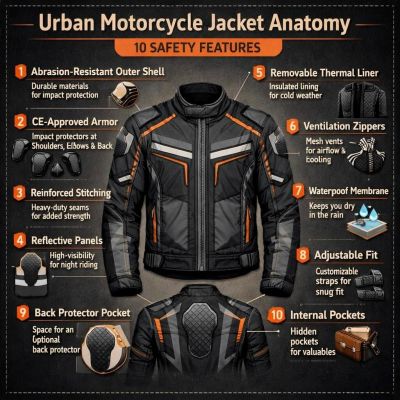
- Ventilation: Mesh panels and breathable fabrics allow airflow at low speeds, which is ideal for heavy traffic.
- Weather versatility: Many textile jackets include waterproof membranes and removable thermal liners. One jacket can cover three seasons.
- Lightweight comfort: Less weight on your shoulders means less fatigue during long city days.
- Storage: Textile designs often include more pockets for phones, passes, and wallet storage.
Limitations of Textile in Urban Riding Safety
- Abrasion resistance: Premium textile can perform very well, but cheap textile can wear through quickly in a slide.
- Age and UV wear: Over time, sunlight and flexing can weaken fibres if the jacket is not high quality.
- Less iconic look: Some riders simply prefer the look and feel of leather.
If most of your miles are short trips across town, textile makes a strong case as the most practical commuter gear base layer, especially in hot or wet climates.
Leather Jackets for City Riders
Leather has been the gold standard for motorcycle protection for decades. Even as technology evolves, it still offers something that textiles struggle to match: raw slide resistance.
Strengths of Leather for Urban Riding Safety
- Outstanding abrasion resistance: Quality cowhide or goat leather holds up well in a slide across asphalt.
- Durability: Leather ages slowly when cared for. A good jacket can last many seasons and even become more comfortable over time.
- Style: Leather jackets move easily between the bike and daily life. You can walk into a café or office and still look well dressed.
- Consistent protection: Leather does not snag or fray as easily as some textiles.
Limitations of Leather in the City
- Heat management: In slow traffic on a hot day, heavy leather can get uncomfortable without perforation.
- Rain: Unless treated or paired with a rain shell, leather soaks up water and becomes heavy.
- Weight: Leather jackets are usually heavier than textile jackets.
For riders who value protection and timeless style, a dedicated protective jacket like the bridges the gap: track-inspired safety with a city-ready silhouette.
City Riding Comfort: Heat, Rain, and Stop-and-Go Traffic
Comfort is not “extra” — it is a core part of urban riding safety. If your jacket is too hot, too stiff, or too loose, your focus drops and your reaction time suffers.
Heat and Humidity
In hot cities, a light textile jacket with large mesh zones and good armor placement is often the best option. Many riders keep a perforated leather jacket for cooler evenings and a textile jacket for midsummer days.
Rain and Sudden Weather Changes
Textile usually wins when it comes to rain. Built-in membranes and taped seams keep water out while still letting heat escape. Leather riders often carry a compact rain shell in a backpack to protect their jacket during storms.
Stop-and-Go Traffic Stress
Every time you stop at a traffic light, your jacket stops getting airflow. Lightweight textiles and well-ventilated leather designs are both good answers here; what matters most is that the jacket continues to feel breathable even when you are standing still.
Fit, Armor, and Protection Zones
Material does not matter if the jacket does not fit. Armor only protects you if it stays over the right body parts when you move and when you crash.
- Shoulder and elbow armor should sit flat against the joints with your arms slightly bent.
- Back protectors should reach from just below the neck to the top of the tailbone.
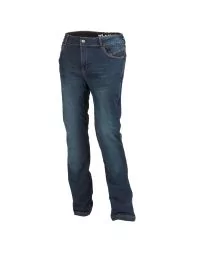
- Hip and knee armor in jeans should line up naturally when you sit on the bike.
Whether you choose textile or leather, aim for a snug but flexible fit. Loose gear feels comfortable at first but can twist around and expose skin during a slide.
How to Choose the Right Gear for Your Commute
Instead of asking, “Which material is better?” ask, “Which material is better for my rides?”
Choose Textile If:
- You commute in hot, humid, or rainy conditions.
- You want one jacket that can handle different seasons with liners and vents.
- You value light weight and maximum ventilation.
Choose Leather If:
- You care most about abrasion resistance and classic style.
- You ride in cooler or drier climates.
- You sometimes mix city rides with faster weekend runs.
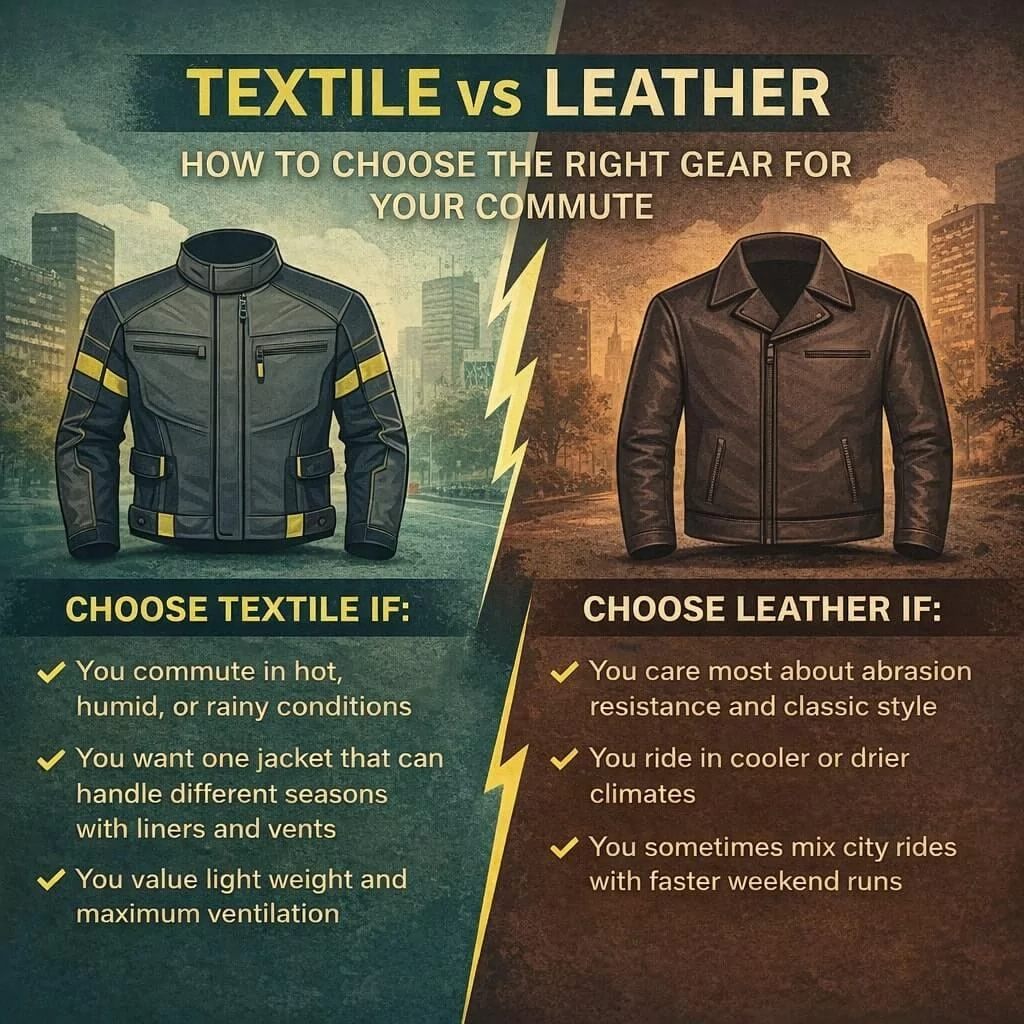
Many riders eventually own both: a ventilated textile jacket for harsh weather and a quality leather jacket for every other ride. Either way, your goal is the same — balance urban riding safety with city riding comfort.
MotoSpeeds Urban Gear: Blending Style and Safety
MotoSpeeds designs its urban motorcycle gear collection around real commuter needs. The focus is simple: bring track-grade safety into a package that feels natural in city life.
The lineup includes:
- Reinforced motorcycle jeans with CE knee and hip armor.
- Textile jackets with breathable mesh panels and waterproof options.
- Leather jackets like the Urban Leather Jacket, blending discreet armor with a clean street look.
- Gloves and boots designed to match everyday outfits without sacrificing impact protection.
No matter which style you choose, you get gear designed for real-world city riding, not just showroom photos.
Conclusion
In the debate between textile and leather, there is no universal winner. The best choice depends on your climate, your commute, and your personal style. Textile shines in heat and rain; leather excels in abrasion resistance and long-term durability.
What matters most is that your gear supports urban riding safety every time you leave the driveway. That means certified armor, solid construction, and a fit that stays comfortable from the first traffic light to the last corner.
When you are ready to upgrade your city riding kit, explore MotoSpeeds’ urban collection and find the mix of textile and leather that matches your rides and your personality.
Choose Your Style
FAQs
Is textile or leather safer for urban riding?
Both can be safe if they use quality materials and CE-approved armor. Leather usually offers better abrasion resistance, while premium textile can handle heat and rain more comfortably. The safest option is the one you will actually wear every day.
Are motorcycle jeans really worth it for city riding?
Yes. Protective jeans use Kevlar or similar fibres and armor at the knees and hips, giving far better slide protection than normal denim while still looking casual off the bike.
Can I wear a leather jacket in summer?
You can if it has perforated panels or zip vents, and if you stay hydrated and aware of heat. In very hot climates, a mesh textile jacket may be more comfortable for daily commuting.
What should I prioritize when buying commuter gear?
Start with fit and armor placement, then look at material and weather features. A perfectly fitted textile jacket with good armor is safer than a loose leather jacket with pads that do not stay in place.
Do I need separate gear for city rides and weekend trips?
Not always, but many riders find it useful. A textile jacket may cover most commuting needs, while a higher-spec leather jacket can handle faster weekend rides. The right choice depends on how you ride and how much gear you want to own.