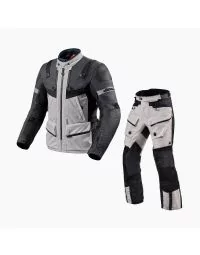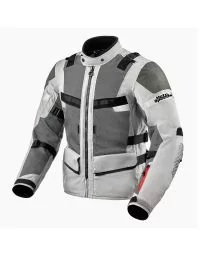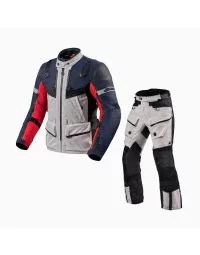
Introduction: The 2,000-Mile Challenge
Cross-country motorcycling is the ultimate test of endurance—for both the rider and their equipment. When you are 500 miles from home and 500 miles from your next destination, your gear is the only thing standing between you and the elements. A mediocre jacket might suffice for a Sunday morning coffee run, but for the long haul, you need a perfect touring motorcycle suit.
In this guide, we break down the three pillars of high-end touring apparel: uncompromising protection, superior comfort fit, and unparalleled climate adaptability. We will also explore why advanced waterproof motorcycle gear is the backbone of any serious cross-country setup, ensuring that a sudden downpour doesn't turn your adventure into a soggy ordeal.
Defining the Perfect Touring Motorcycle Suit
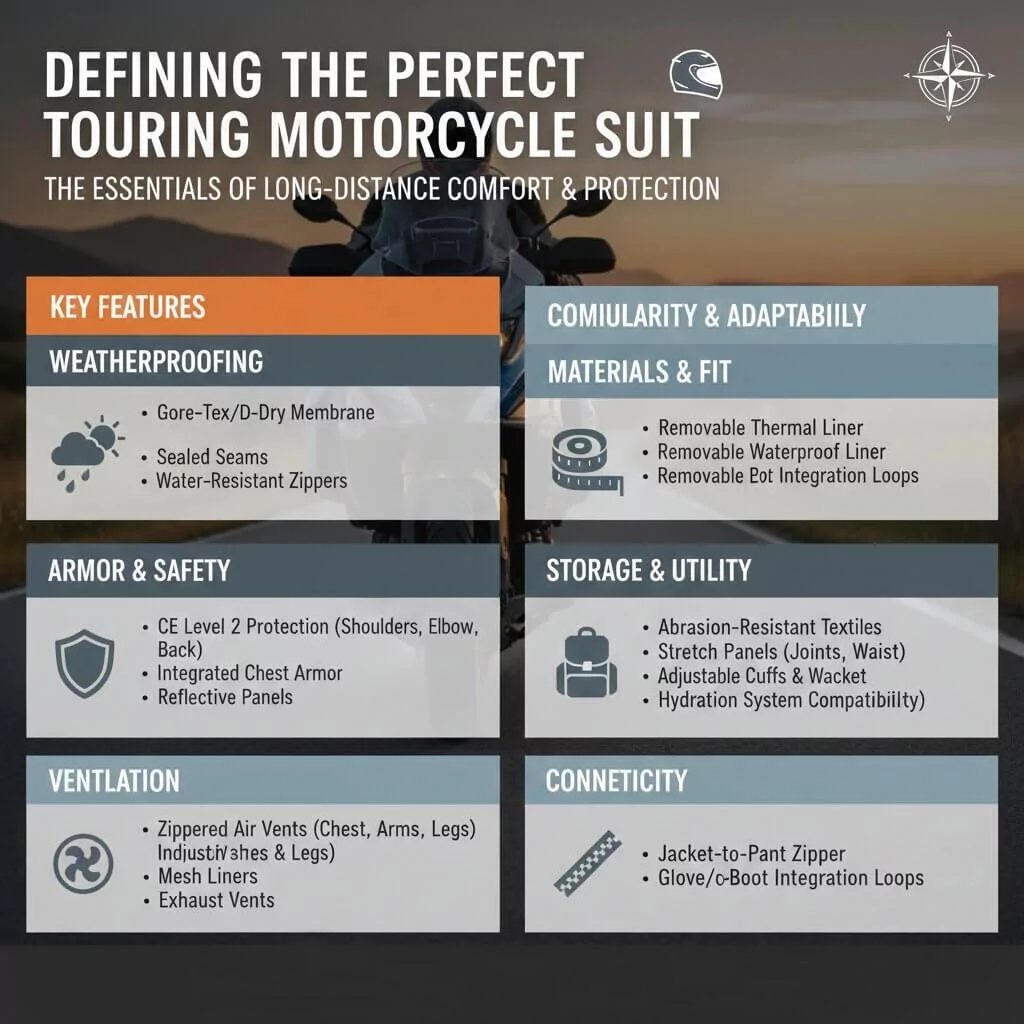
A touring suit is not just a piece of clothing; it is a sophisticated piece of technical equipment. Unlike racing leathers, which are designed for short bursts of extreme speed, or urban gear designed for style, a touring suit is built for 12-hour days in the saddle across varying latitudes and altitudes. It's an extension of your body, designed to minimize fatigue and maximize safety and enjoyment.
The "perfect" suit must be a master of all trades. It needs to be rugged enough to survive a slide on asphalt, waterproof enough to handle a tropical storm, and breathable enough to prevent heatstroke in the desert. Achieving this balance, without compromising on any front, is what separates premium from entry-level gear. It's about engineering that anticipates every challenge of the open road.
The Armor of Adventure: Maximum Protection
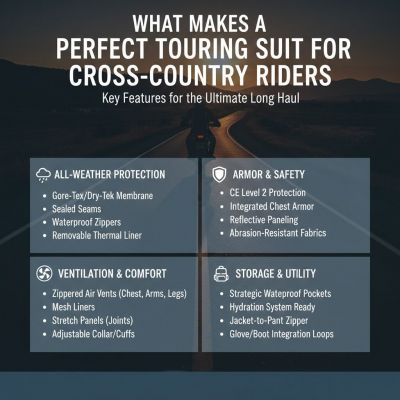
Safety is the non-negotiable foundation of any riding gear, especially for cross-country tours where speeds are often higher and the unexpected can happen far from assistance. A perfect touring suit offers comprehensive protection.
Abrasion Resistance: Your Second Skin
The outer shell must be constructed from highly abrasion-resistant materials. Think high-denier fabrics (like Cordura 500D, 750D, or 1000D), advanced textile weaves, or reinforced areas with specialized materials like Superfabric® or Kevlar blends. These materials are strategically placed in "impact zones" (shoulders, elbows, hips, knees) to provide maximum slide protection, ensuring the suit remains intact during a fall and protects your skin from friction burns.
CE-Rated Armor & Impact Protection: Absorbing the Blow
Beyond abrasion, a suit must dissipate impact energy. The protection system should include removable, CE Level 2 rated armor at all key articulation points: shoulders, elbows, hips, and knees. Many premium suits now also offer integrated back protectors or dedicated pockets for aftermarket CE Level 2 back protectors. For the ultimate in safety, compatibility with modern electronic airbag systems is becoming an increasingly important feature, offering an extra layer of impact absorption.
The Shield: Advanced Waterproof Motorcycle Gear
Nothing ruins a tour faster than getting wet. Once moisture penetrates your suit, evaporative cooling sets in, leading to rapid fatigue, discomfort, and a potentially dangerous drop in core body temperature. This is why truly effective waterproof motorcycle gear is the most critical feature for cross-country riders.
Laminated vs. Z-Liner Waterproofing: Staying Dry from the Outside In
The gold standard for touring is a laminated waterproof construction. In this setup, the waterproof-breathable membrane (e.g., Gore-Tex, Drystar, D-Dry) is bonded directly to the outer shell fabric. This prevents the suit from "wetting out"—meaning the outer fabric doesn't absorb water, staying light and drying almost instantly. The alternative, a "Z-liner" construction, places the membrane as a separate layer between the outer fabric and the interior mesh. While still waterproof, the outer fabric will get saturated, making the suit heavier, colder, and slower to dry.
Seam Sealing & DWR Coatings: No Leaks Allowed
Even the most advanced waterproof membrane is useless if water can seep through the stitching. All seams in a truly waterproof suit must be fully sealed with waterproof tape. Additionally, a Durable Water Repellent (DWR) coating on the outer fabric causes water to bead up and roll off, preventing saturation of the outer layer and maintaining the membrane's breathability. This coating needs periodic reapplication to remain effective.
Climate Adaptability: From Desert Heat to Mountain Chill
A cross-country trip can subject a rider to extreme temperature swings—from scorching desert highways to freezing mountain passes—all within a single day. A perfect touring suit offers superior climate adaptability, allowing the rider to comfortably manage these changes.
Dynamic Ventilation Systems: Airflow on Demand
Extensive and easily adjustable ventilation is crucial. Look for large, zippered intake vents strategically placed on the chest, arms, and thighs, along with exhaust vents on the back. These create a flow-through ventilation system, allowing you to fine-tune airflow to prevent overheating and sweat build-up in warmer conditions. The ability to open or close these vents quickly, even while riding, is a significant advantage.
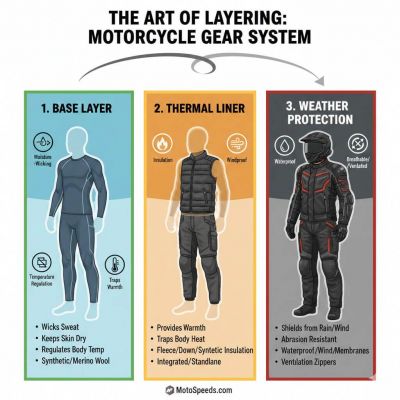
Modular Thermal & Rain Liners: Layering for Versatility
The best suits utilize a modular design with removable thermal liners and, if not laminated, a removable waterproof membrane or a dedicated rain liner. These layers allow you to adapt the suit's insulation and waterproofing based on the weather forecast, effectively giving you multiple suits in one. When removed, they pack down compactly, minimizing luggage bulk.
Breathable & Wicking Interiors: Dry from the Inside Out
Even with great ventilation, your body will still sweat. The inner lining of the suit should be made from breathable, moisture-wicking materials that pull sweat away from your skin, working in tandem with the suit's waterproof-breathable membrane to keep you dry and comfortable from the inside out.
Ergonomics and Comfort Fit: Preventing Rider Fatigue
A suit that constantly chafes, bunches, or restricts movement will lead to significant rider fatigue over thousands of miles. A truly exceptional comfort fit is about the suit becoming a second skin, disappearing from your consciousness so you can focus on the ride. This is achieved through thoughtful ergonomic design.
Articulation & Stretch Panels: Freedom of Movement
Look for accordion stretch panels strategically placed at the shoulders, elbows, lower back, and knees. These allow for a natural range of motion when reaching for controls or moving around in the saddle, preventing the fabric from pulling or bunching. Pre-curved sleeves and legs also contribute to a more natural, comfortable riding posture.
Adjustability for a Custom Fit: Tailored to You
Multiple adjustment straps (Velcro, snaps, or buckles) on the arms, cuffs, waist, and sometimes legs are vital. These allow you to "tailor" the suit to your specific body shape and to cinch down any excess fabric once liners are removed, preventing the material from flapping at high speeds—a major cause of wind noise and fatigue over long distances.
The Importance of Proper Sizing
No amount of features can compensate for incorrect sizing. A touring suit should fit snugly enough that armor stays in place during an impact, but loose enough to accommodate base layers and allow full movement without binding. Always try on a suit in your riding position and with the layers you intend to wear underneath.
Storage and Utility: The Touring Mindset
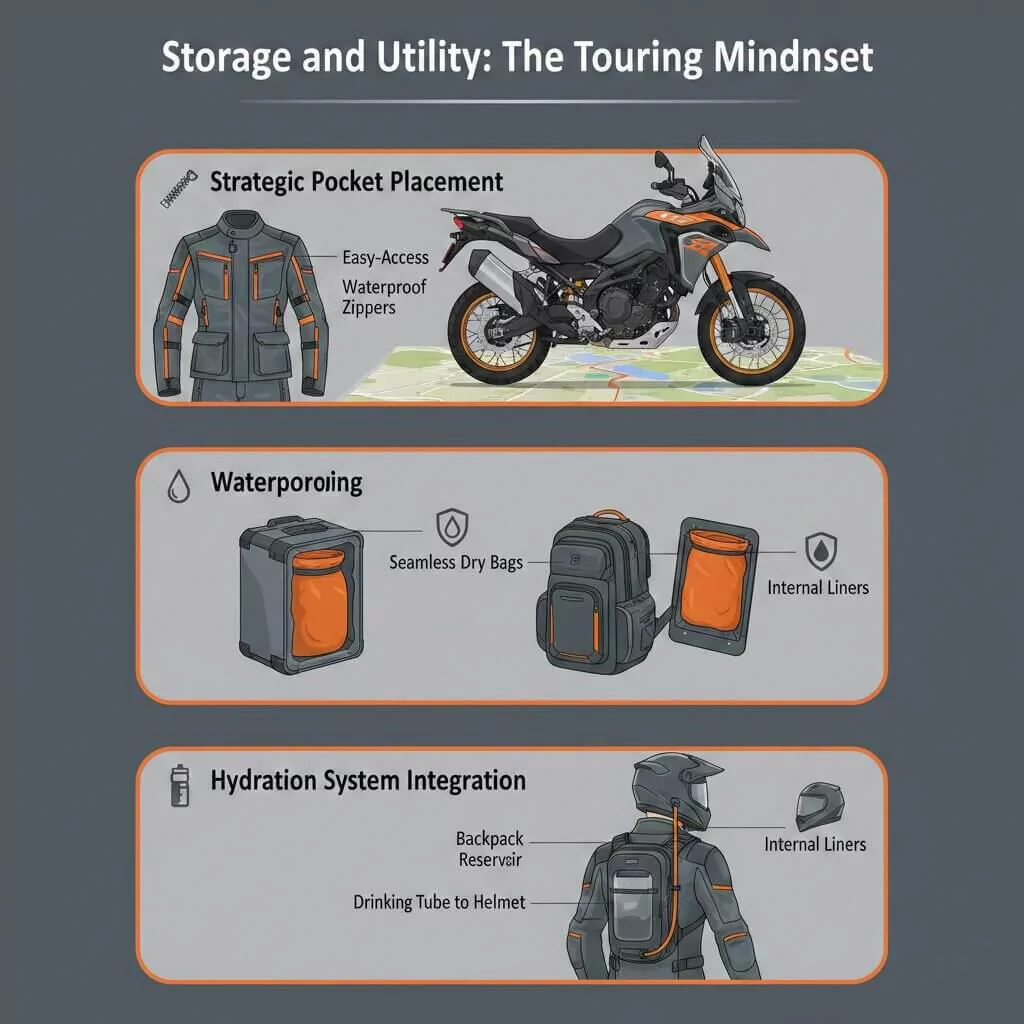
A cross-country rider needs immediate access to essentials. The perfect touring suit integrates smart storage and utility features.
Strategic Pocket Placement & Waterproofing
Multiple exterior pockets are essential, but they must be easily accessible while seated on the bike and, critically, fully waterproof. Look for features like storm flaps, roll-top closures, or waterproof zippers on at least a few key pockets for electronics, wallets, and documents.
Hydration System Integration
Long rides demand constant hydration. Some premium suits include dedicated pockets for hydration bladders and routing for drinking tubes, allowing you to stay hydrated without stopping.
Visibility: Being Seen is Being Safe
Especially for cross-country riders who traverse different lighting conditions and ride through dusk and dawn, passive visibility is key. The suit should incorporate ample reflective piping or panels on the front, back, and sides, enhancing your conspicuity to other motorists.
Maintaining Your Investment
A is an investment designed to last for years and tens of thousands of miles, but only with proper care. Always wash your waterproof motorcycle gear with technical cleaners specifically designed for waterproof-breathable membranes to avoid clogging the pores. Regularly check all zippers, Velcro, and snaps for debris, and ensure your armor is correctly positioned and secured before every departure. Proper maintenance ensures optimal performance and extends the life of your gear.
FAQs for Cross-Country Riders
Q: Should I buy a one-piece or two-piece touring suit for cross-country riding?
A: For cross-country riding, a two-piece suit (jacket and pants that zip together) is generally more versatile. It offers better climate adaptability (you can vent the top without opening the bottom) and the convenience of removing just the jacket during rest stops or when off the bike.
Q: How tight should my touring suit be for optimal comfort and protection?
A: A touring suit should have a comfort fit – snug enough that the armor stays in place and doesn't shift significantly during an impact, but loose enough to allow for a base layer and mid-layer underneath without restricting movement. It shouldn't feel tight or pull when you're in a riding position.
Q: Is a laminated waterproof shell truly worth the extra cost?
A: For cross-country riders, a laminated waterproof shell is highly recommended. It prevents the outer fabric from "wetting out," keeping the suit lighter, warmer, and faster to dry, which significantly improves comfort and reduces fatigue during long rides in wet weather. This aspect of waterproof motorcycle gear makes it a worthwhile investment for serious touring.
Q: How important is ventilation for a suit designed for varying climates?
A: Climate adaptability through effective ventilation is crucial. On a cross-country trip, you might encounter extreme heat. Without sufficient airflow, you risk overheating and fatigue. Large, adjustable vents allow you to regulate your body temperature effectively, making the suit suitable for a wider range of conditions.
Conclusion: The Road Awaits
The search for the perfect touring motorcycle suit ends when you find a balance that works for your specific riding style and the diverse environments you'll encounter. By prioritizing robust protection, insisting on superior comfort fit, embracing sophisticated climate adaptability, and choosing top-tier waterproof motorcycle gear, you set yourself up for thousands of miles of worry-free adventure. Your suit isn't just clothing; it's a critical piece of equipment that enables you to truly experience the freedom of the open road, come what may.
Ready to Conquer the Continent?
Don't let inadequate gear hold you back. Discover our premium selection of motorcycle touring suits and gear designed for the ultimate cross-country experience.
Find Your Touring Suit →