
Table of Contents
Introduction
You buy a leather race suit for one main reason: you want it to protect you when the worst happens. But even the best suit does not stay strong forever. Sweat, sun, dirt, and bad storage slowly eat away at the very material you depend on for crash protection.
That’s why leather suit maintenance is not a cosmetic hobby. It is part of your safety routine, just like checking tire pressure or brake pads. A well-maintained suit slides cleanly, resists tearing, and keeps its structure in a crash. A neglected one can fail right when you need it most.
In this guide, we will walk through how leather behaves in real crashes, what abrasion tests tell us, and how a simple cleaning and storage routine can add years of life to your gear. We’ll even look at a real-world accident where care made the difference between skin and scuff marks.
Why Leather Suit Maintenance Matters for Crash Protection
Most riders think a leather suit either “works or doesn’t” in a crash. In reality, small factors add up over time. Sweat salt dries out fibers. Road grime acts like sandpaper. UV light from the sun breaks down the top layer. All of this slowly reduces the leather’s ability to handle a long slide.
In abrasion tests, fresh race-grade leather can withstand several seconds of sliding before wearing through. But dried, cracked, salt-filled leather can lose that margin fast. When the top grain fails too early, the suit may still look okay from the outside, yet the inner layers are exposed much sooner.
Good leather suit maintenance aims to do three things:
Keep the leather clean so dirt does not grind into the fibers.
Keep it conditioned so it stays flexible and doesn’t crack under stress.
Store it correctly so heat, moisture, and pressure don’t deform or weaken it.
If you get these three right, your suit stays closer to its original crash performance for a much longer time.
The Science of Leather, Abrasion, and Failure
Leather protects you by spreading impact and resisting abrasion. In a slide, each fiber works like tiny rope. When many of them hold together, the suit can slide for meters without exposing your skin. When they dry, crack, or rot, those ropes snap early.
Abrasion tests often use spinning drums or belts covered with abrasive material. A leather sample presses against the surface under known pressure, and testers record how long it takes to wear through. Race-grade cowhide or kangaroo leather usually performs very well in these tests.
But when leather is:
Over-soaked and never dried properly,
Left caked with salt and sweat,
Stored folded or crushed for months,
its internal structure changes. Tiny cracks form, especially in areas that bend a lot, like knees, elbows, and the seat. In a real crash, those hidden cracks become the starting points for leather failure.
Real Accident Case Study: When Care Made the Difference
A rider we’ll call Mike owned two similar leather suits. One was new and well cared for. The other was older and stored for years in a damp garage. The older suit felt stiff, but still looked “okay” from a distance.
During a track day, Mike high-sided at moderate speed while wearing the older suit. The crash was not especially violent, but the landing was awkward. As he slid, the seat area tore open along an old crease and exposed the base layer underneath. Thankfully, he escaped with heavy bruising and minor rash, but the suit was finished.
Months later, on a different day and in similar conditions, Mike had another low-side crash in his newer, well-maintained suit. The slide was longer, but the leather held. The outer layer scuffed heavily, yet the inner surface remained intact. No skin damage, no tears, and the suit was professionally repaired and returned to service.
Same rider, similar speed, different result. The key difference? One suit was dry, stiff, and weakened by poor leather suit maintenance. The other had been cleaned, conditioned, and stored properly.
Step-by-Step Cleaning Guide
You don’t need a shelf full of fancy products. You just need a gentle routine and some patience. Here is a simple cleaning guide you can repeat after long rides or track days.
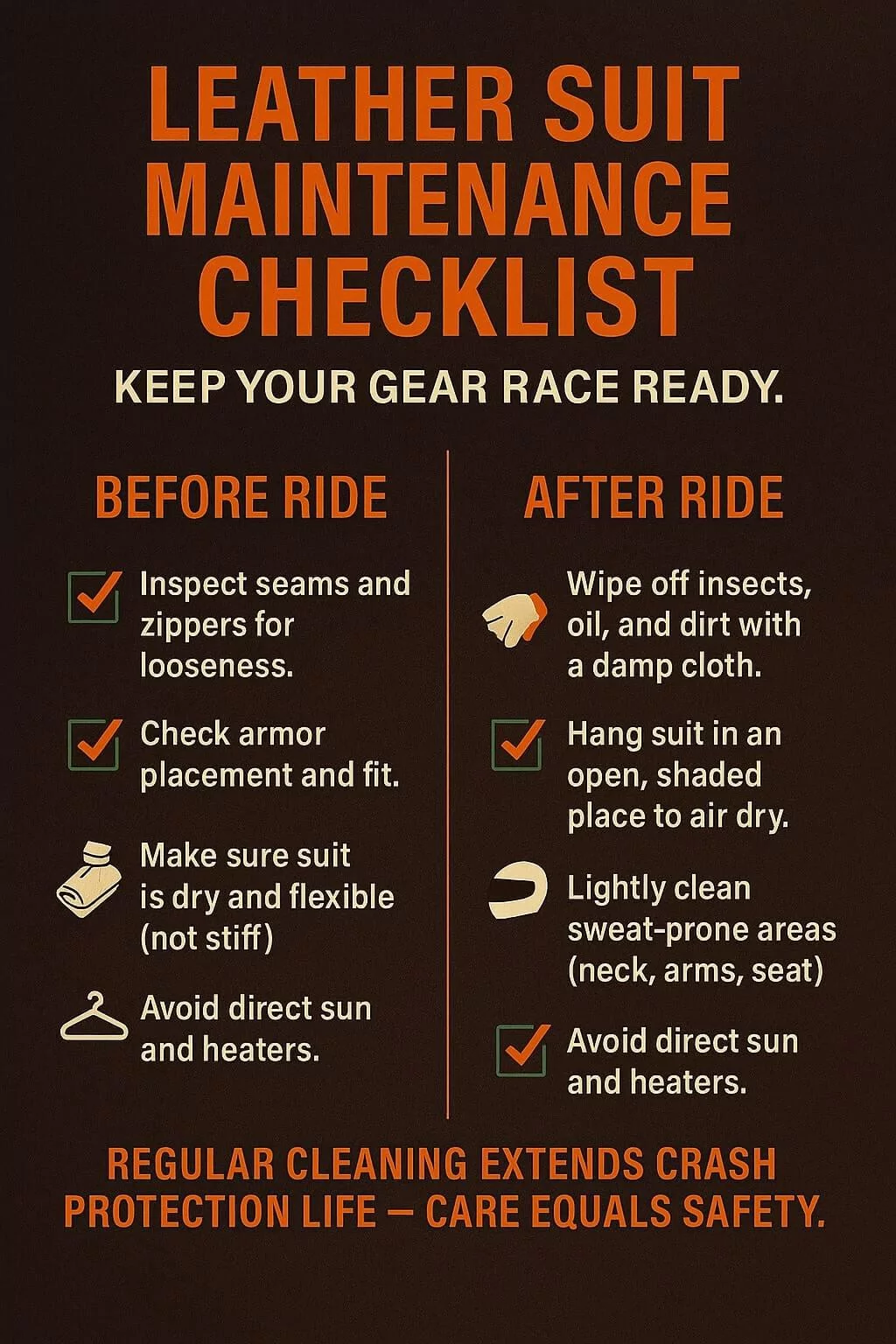
1. Wipe down after every ride
Use a soft damp cloth to remove surface dust, insects, and grime. Pay special attention to seams, stretch panels, and vents. This quick step prevents dirt from grinding in later.
2. Use a mild leather cleaner
Never use strong household soaps, alcohol, or solvent sprays. Look for a cleaner designed for leather garments, not for car dashboards. Spray it onto a cloth, not directly on the suit, and work in small sections.
3. Clean armor pockets and lining
Carefully remove armor if your suit design allows. Turn the suit partly inside out to reach the mesh lining. Use a slightly damp cloth with mild soap to wipe salt and sweat out of the lining, then let it dry with lots of airflow.
4. Let the suit dry naturally
Never drape it over a radiator or blast it with a hair dryer. High heat hardens leather and shrinks some panels. Choose a cool, shaded, airy place and hang the suit on a wide hanger until it feels dry to the touch.
Conditioning Your Suit Without Ruining It
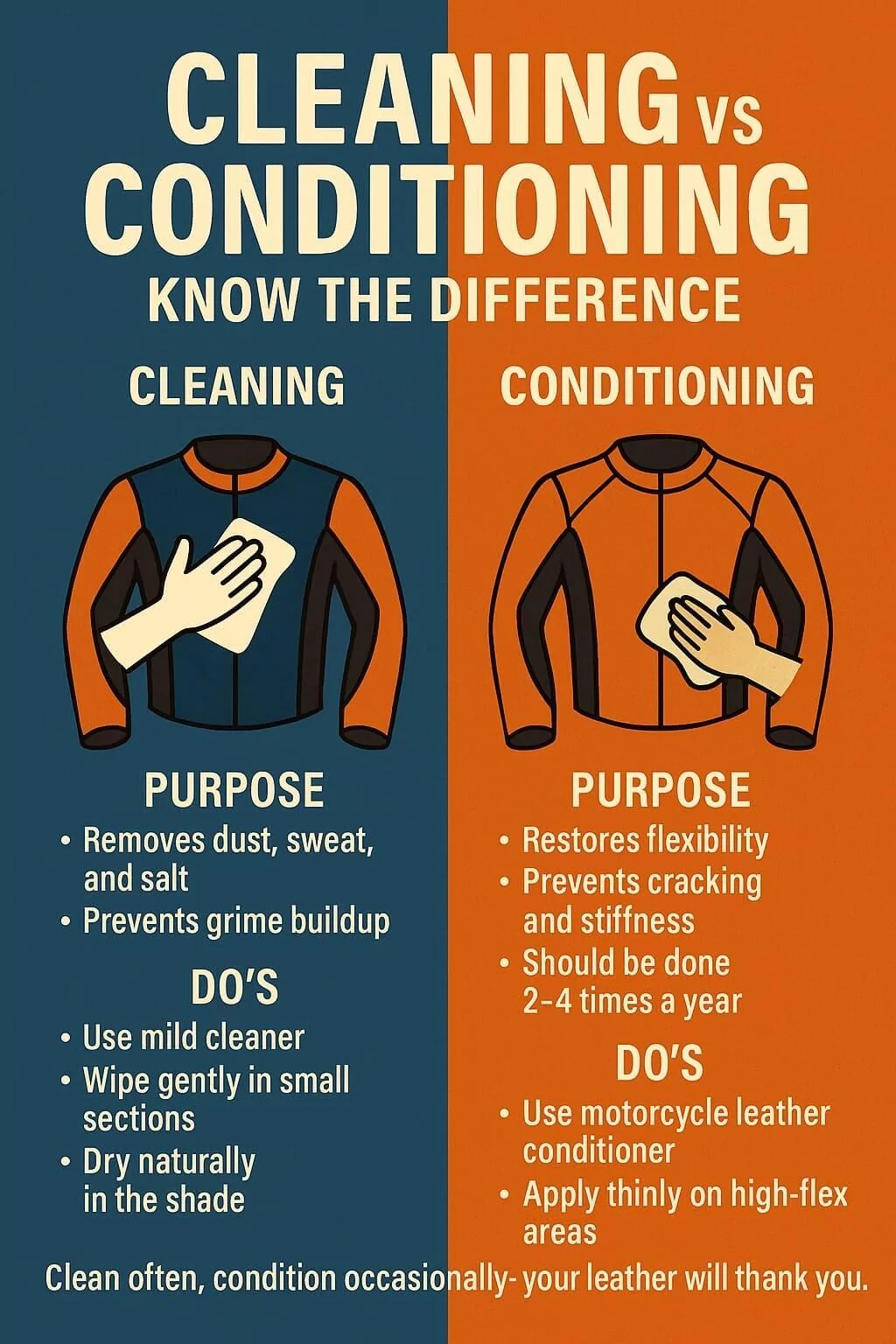
Conditioning keeps leather flexible, but more is not always better. Over-conditioning can clog pores, attract dirt, and even weaken glued areas.
1. How often to condition
For regular riders, conditioning two to four times a year is enough. If you ride in hot, dry, or salty environments, you may need it a bit more often, especially on high-flex areas like knees, elbows, and the seat.
2. What kind of conditioner to use
Choose a cream or balm made for motorcycle leathers or . Avoid oily products that leave a greasy film. Light, breathable conditioners soak in without making the surface slippery.
3. Where to focus
Apply a small amount to a cloth and rub it gently into:
Knees and shins
Seat area
Shoulders and elbows
Back flex panels
Let the conditioner soak in and then buff away any excess. Zippers and sliders should not feel oily, and the leather should look alive, not shiny and wet.
Gear Storage Tips for Maximum Life
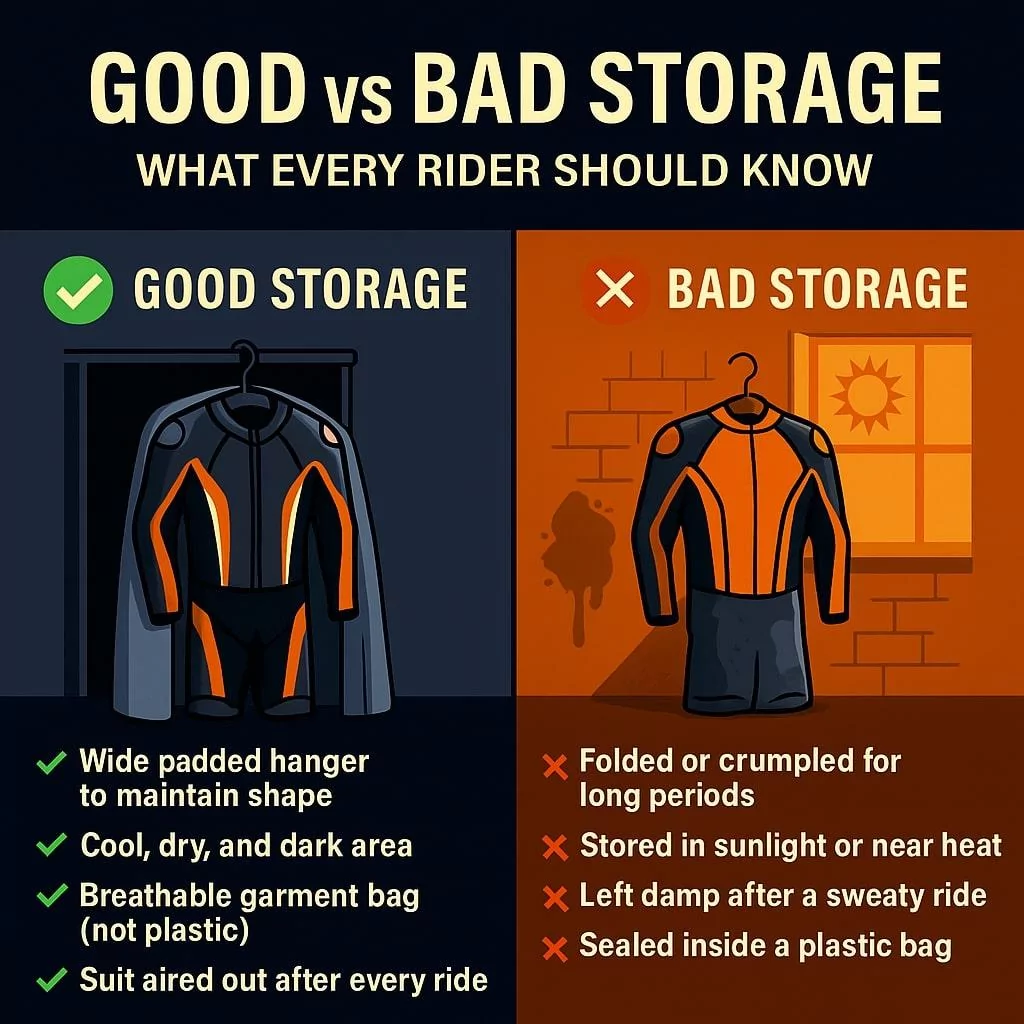
Good storage is the secret weapon of long-term leather suit maintenance. You can clean and condition perfectly, then ruin it all by stuffing the suit in a damp corner.
1. Always store on a wide hanger
Use a broad, padded hanger that supports the shoulders. Thin wire hangers dig into leather and create permanent creases that can become failure points in a crash.
2. Keep it cool, dry, and dark
Store your suit in a room with low humidity and stable temperature. Avoid attics, basements, and sunlit windows. UV light fades dyes and weakens the surface layer over time.
3. Let it breathe
Do not store your suit long term in a sealed plastic bag. Moisture gets trapped and can cause mold or unpleasant smells. If you use a cover, choose a breathable fabric garment bag.
4. Travel smart
When you transport your suit to track days, use a gear bag big enough so you can fold it loosely, not crush it. Once you reach your hotel or paddock, hang it up and open vents so it can dry out overnight.
Post-Crash Inspection: When to Repair and When to Retire
After any crash, your suit deserves a careful inspection. Cleaning can wait; safety comes first.
1. Check high-stress seams
Look closely at the seat, shoulders, elbows, and knees. If you see open stitching, pulled threads, or gaps between panels, stop using the suit until a professional repair service evaluates it.
2. Examine leather thickness
Light scuffing is normal and often only cosmetic. But if you can pinch the leather and feel thin or soft spots compared to other areas, that section may no longer provide full protection.
3. Inspect armor and padding
Remove armor inserts and check for cracks or deformation. Replace any piece that shows damage. Padding that has compressed flat may no longer cushion impacts and should be renewed.
4. Set a personal safety standard
If you do many track days or race competitively, treat your suit like a helmet: after a big crash, consider retiring it or keeping it only as a backup. Your skin and bones are worth more than the price of new gear.
How MotoSpeeds Materials Help Your Suit Last Longer
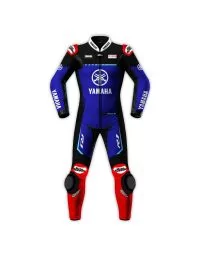
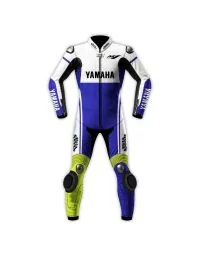
The way a is built plays a big part in how long it will protect you. MotoSpeeds designed products with durable leather, strong stitching, and replaceable armor so regular care really pays off.
Understanding what your suit is made from makes every cleaning and conditioning step more effective.
It combines race-grade leather, CE-approved armor, stretch zones, and strong zips. With the right leather suit maintenance routine, a suit like this can protect you through multiple seasons and, if needed, more than one crash.
Conclusion
Your leather suit is more than a piece of gear. It is your final line of defense when the tires let go. Crash protection depends not only on smart design and strong materials, but also on how you treat that gear when you are not riding.
By following a simple cleaning guide, using the right conditioning products, and storing your suit in a cool, dry place, you keep the fibers strong and flexible. That means better performance in real accidents and less chance of leather failure when you slide.
If you want your suit to take care of you, you have to take care of it first.
Start with understanding your materials and choosing race suits built to last, then commit to a maintenance routine after every big ride.
FAQs
How often should I clean my leather race suit?
Lightly wipe it down after every ride or track day and do a deeper clean with leather cleaner whenever it looks dirty or after very sweaty sessions.
How often should I condition my leather suit?
For most riders, two to four times a year is enough. Focus on high-flex areas and avoid over-conditioning the whole suit.
Can I wash my leather suit in a washing machine?
No. Machine washing can damage leather, break down adhesives, and ruin protective padding. Always clean by hand with proper leather care products.
Is it safe to dry my suit in the sun?
Short periods in mild sun are usually fine, but long exposure can fade colors and dry out leather. It is much safer to dry it in the shade with good airflow.
When should I replace my leather suit after a crash?
Replace the suit if leather has worn through, seams have opened in key impact zones, or the structure feels loose and deformed. When in doubt, have it inspected by a professional repair service and follow their advice.