Table of Contents
Introduction: The Unsung Hero of Motorcycle Comfort
Imagine cruising down an open highway, the wind in your face (or rather, over your helmet), the engine humming a steady tune, and the world blurring into a beautiful backdrop. This is the dream of every motorcyclist. But what happens when that perfect sunny morning turns into a chilly afternoon, or a sudden downpour catches you unprepared? Without the right gear, comfort quickly evaporates, turning a joyous ride into a test of endurance.
This is where the art of layering comes into play. Often overlooked, layered motorcycle gear is not just about wearing multiple items of clothing; it's a strategic system designed to keep you comfortable, safe, and focused, regardless of what Mother Nature throws your way. It’s about creating a personal microclimate that adapts to fluctuating temperatures, humidity, and precipitation. Whether you're embarking on a cross-country adventure or just enjoying a weekend tour, understanding and implementing effective layering can transform your riding experience from tolerable to truly enjoyable.
In this comprehensive guide, we'll delve deep into the principles of layered motorcycle gear. We’ll explore each crucial component – from the essential motorcycle base layer that manages moisture against your skin, to the insulating thermal liner that traps warmth, and finally, the robust outer shell providing critical weather protection. By the end, you'll have all the knowledge to assemble your perfect gear system, ensuring every mile is a comfortable one.
Understanding Layered Motorcycle Gear: More Than Just Clothes
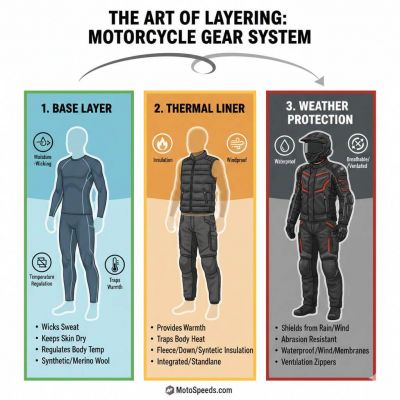
At its core, layered motorcycle gear is an intelligent system of clothing designed to be worn in combination, each layer serving a specific function to regulate your body temperature and protect you from the elements. It’s a dynamic approach, allowing you to add or remove layers as conditions change, effectively creating a versatile personal climate control system.
The concept is simple:
Base Layer: Deals with moisture management, keeping your skin dry.
Mid Layer (Thermal Liner): Provides insulation, trapping warmth close to your body.
Outer Layer (Weather Protection): Acts as a shield against wind, rain, and abrasion.
This systematic approach is vastly superior to simply piling on thick sweaters, which can quickly lead to overheating, restricted movement, and inadequate protection against wind and rain. With proper layering, you maintain optimal comfort, reduce fatigue, and enhance your overall riding safety.
The Foundation: Your Motorcycle Base Layer
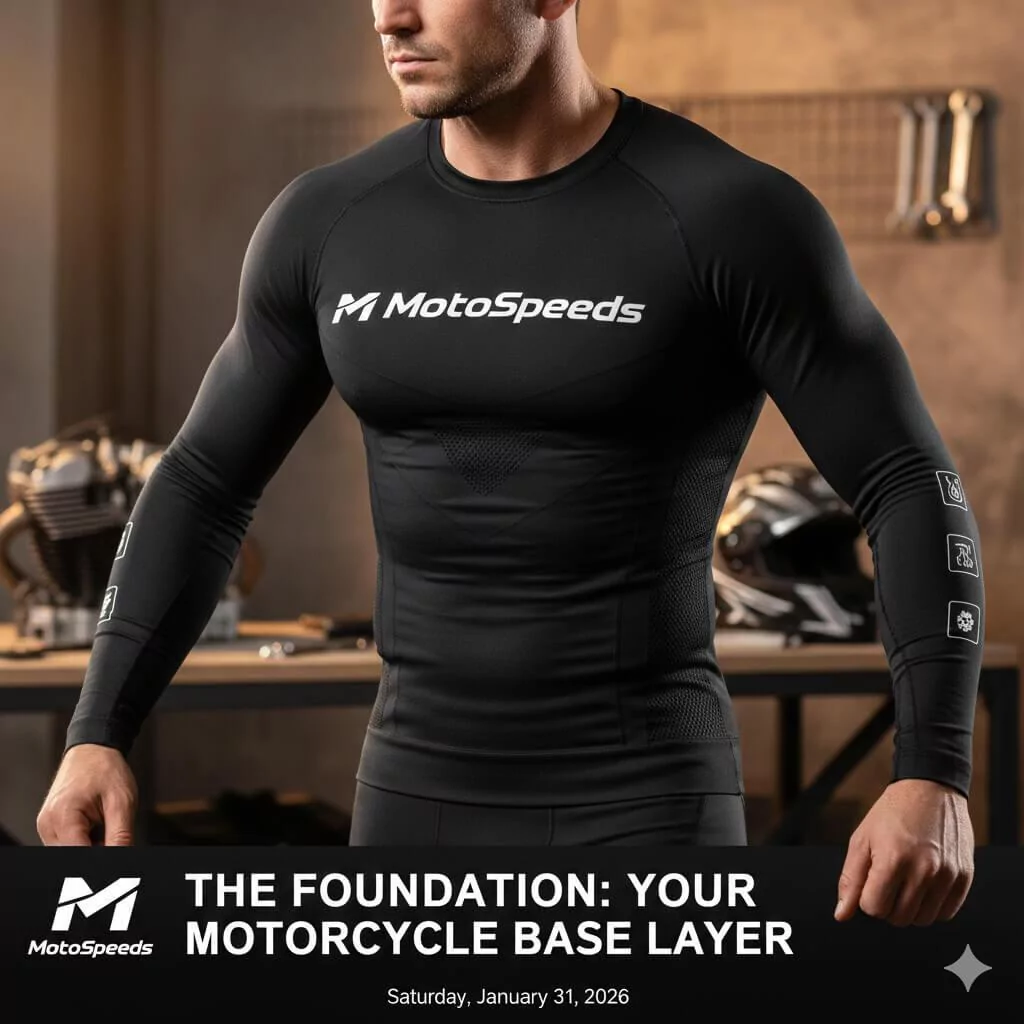
The motorcycle base layer is perhaps the most underestimated component of any effective layering system. It's the layer that sits directly against your skin, and its primary job is not to provide warmth, but to manage moisture.
What is a Base Layer?
A base layer is a close-fitting garment, typically a top and bottom, made from technical fabrics designed to wick sweat away from your skin. Think of it as your body's personal air conditioning and heating assistant. It’s thin, lightweight, and engineered to work with your body's natural thermoregulation processes.
Why is a Base Layer Crucial for Motorcycling?
Even on a cool day, physical exertion from riding, combined with the heat generated by your body, can lead to sweating. If this sweat remains on your skin, it cools down rapidly, especially when exposed to wind, making you feel cold and clammy. This phenomenon is known as the "chill effect."
A good base layer prevents this by:
Wicking Moisture: Drawing sweat away from your skin to the outer surface of the fabric, where it can evaporate.
Regulating Temperature: By keeping your skin dry, it helps maintain a stable body temperature, preventing both overheating and chilling.
Enhancing Comfort: A dry base layer means less chafing and a more pleasant feel against your skin throughout your ride.
Types of Base Layer Materials
The choice of material is critical for base layer performance:
Synthetic Fabrics (Polyester, Polypropylene, Nylon):
Pros: Excellent moisture-wicking properties, quick-drying, durable, often more affordable. Many come with antimicrobial treatments to reduce odor.
Cons: Can sometimes retain odors over time if not treated.
Ideal for: High-intensity riding, hot weather, or riders who sweat a lot.
Choosing the Right Base Layer
Consider the following when selecting your base layer:
Climate: For hot weather, prioritize maximum wicking and quick-drying properties (synthetics). For cold weather, merino wool offers superior warmth-to-weight and insulation.
Fit: A base layer should be snug but not restrictive. It needs to be in constant contact with your skin to effectively wick moisture. Avoid baggy base layers.
Seams: Look for flatlock seams to prevent chafing, especially important when worn under other layers and against pressure points from your riding position.
Odor Control: For multi-day trips, odor-resistant properties (common in merino and treated synthetics) are a huge plus.
The Insulation: The Thermal Liner
Once your base layer is efficiently managing moisture, the next step in the layered motorcycle gear system is to provide warmth. This is the job of the thermal liner, often referred to as the mid-layer.
The Role of the Thermal Liner
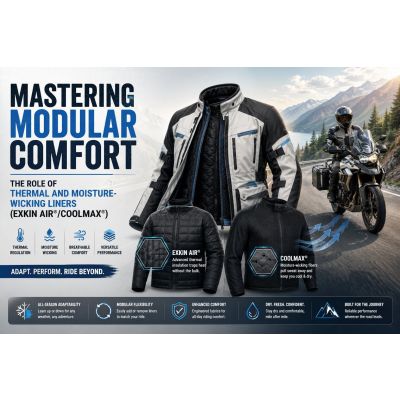
The thermal liner's primary function is to trap a layer of warm air close to your body, acting as an insulating barrier against the cold. It works by slowing down the transfer of heat away from your body, maintaining your core temperature. Without adequate insulation, even the best base layer won't prevent you from getting cold in chilly conditions.
Integrated vs. Standalone Thermal Liners
Integrated Thermal Liners: Many motorcycle jackets and pants come with removable thermal liners that zip or button into the main garment.
Pros: Convenient, designed to fit perfectly with the outer shell, easy to remove when not needed.
Cons: Can be bulky, may not offer as much flexibility in terms of warmth levels compared to standalone options, and sometimes less effective when removed from the outer garment.
Standalone Thermal Liners (Mid-layers): These are separate garments, such as fleece jackets, insulated vests, or lightweight down jackets, that you wear under your outer motorcycle jacket.
Pros: Highly versatile, can be worn off the bike, allows for precise temperature control by choosing different thicknesses, often less bulky when designed specifically as a mid-layer.
Cons: Requires careful sizing to ensure it fits comfortably under your outer jacket without bunching.
For excellent standalone options, consider checking out the section on MotoSpeeds, which offers a range of versatile mid-layers.
Materials and Technologies for Thermal Insulation
Modern thermal liners utilize various materials and technologies to provide effective warmth without excessive bulk:
Fleece: A synthetic fabric known for its excellent warmth-to-weight ratio, breathability, and quick-drying properties.
Synthetic Insulations (e.g., Thinsulate, PrimaLoft): These are designed to mimic the properties of down, trapping air within fine fibers. They offer good warmth even when wet and are hypoallergenic.
Down: While less common in integrated motorcycle liners due to its susceptibility to moisture, high-quality down offers unparalleled warmth-to-weight. It's often found in lightweight packable standalone mid-layers.
Quilted Liners: Many traditional thermal liners use a quilted construction with various insulating fills to create pockets of trapped air.
Maximizing Thermal Liner Effectiveness
Layer Thickness: Choose a liner appropriate for the expected temperatures. A thin fleece might suffice for cool mornings, while a more substantial insulated layer is needed for freezing conditions.
Wind Resistance: Some thermal liners incorporate windproof membranes, which significantly enhance their warming capability by preventing cold air from penetrating.
Fit: Ensure your thermal liner fits snugly but allows for full range of motion. Too tight, and it compresses the insulating air pockets; too loose, and it bunches uncomfortably.
The Shield: Weather Protection
The outermost layer of your layered motorcycle gear system is your primary defense against the elements and, critically, your protection in case of a slide. This weather protection layer, usually your motorcycle jacket and pants, must be robust, durable, and engineered to keep you dry and shielded from wind without causing you to overheat.
Outer Shells: Your First Line of Defense
The outer shell of your riding gear serves multiple critical functions:
Abrasion Resistance: In the event of a fall, the outer material is the first thing to contact the road. Materials like high-denier Cordura, leather, and advanced textiles with integrated aramid fibers offer crucial slide protection.
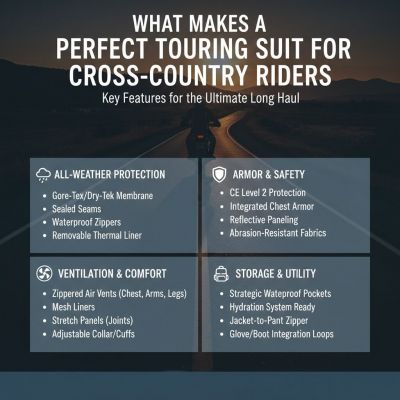
Impact Protection: While not a "layer" in the same sense, integrated CE-rated armor in the shoulders, elbows, back, hips, and knees works in conjunction with the outer shell to absorb impact energy.
Structural Integrity: It holds the entire system together, providing attachment points for inner liners and supporting the overall fit.
Waterproofing Technologies: Keeping You Dry
Riding in the rain can quickly become miserable and dangerous if your gear isn't waterproof. Modern motorcycle gear utilizes various technologies to achieve this:
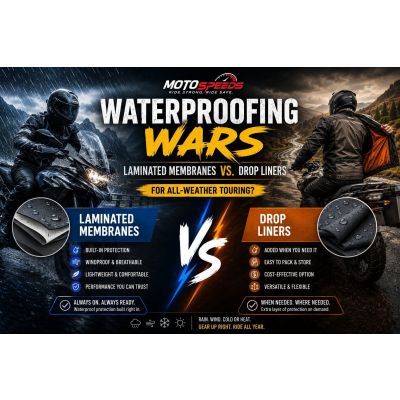
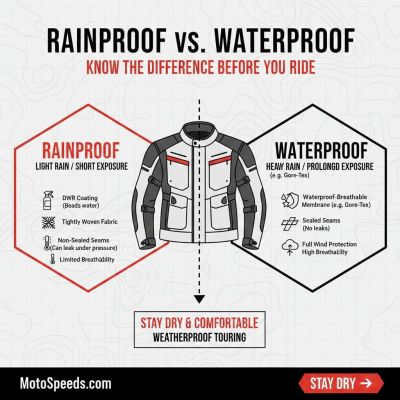
Waterproof Membranes (e.g., Gore-Tex, D-Dry, Drystar): These are thin layers laminated to or inserted between the outer fabric and an inner lining. They feature microscopic pores that are too small for water droplets to pass through but large enough for water vapor (sweat) to escape, offering both waterproofing and breathability.
Laminated Membranes: The membrane is bonded directly to the outer fabric. This prevents the outer fabric from "wetting out" (absorbing water), keeping the garment lighter and drying faster.
Z-Liner Membranes: The membrane is a standalone layer between the outer fabric and the inner mesh lining. This allows for more flexibility in outer fabric choice but the outer fabric can wet out.
Durable Water Repellent (DWR) Coatings: Applied to the exterior fabric, DWR causes water to bead up and roll off. While not a standalone waterproofing solution, it helps prevent the outer fabric from soaking up water, maintaining breathability and comfort. Regular reapplication may be needed.
Sealed Seams: Even with a waterproof fabric, water can seep through stitching. All seams in truly waterproof gear are taped or sealed to prevent this.
Windproofing: Battling the Chill
Wind chill is a significant factor in how cold you feel on a motorcycle. Even on a mild day, highway speeds can make the air feel much colder. Effective weather protection includes a windproof outer shell. Most waterproof membranes are inherently windproof, but some gear also incorporates specific windproof fabrics or laminates without necessarily being fully waterproof. A windproof layer prevents cold air from penetrating and stripping away the warm air trapped by your thermal liner.
Breathability: Preventing Overheating
While keeping water out, it's equally important to allow sweat vapor to escape. If your gear isn't breathable, sweat will accumulate inside, making you feel clammy and eventually cold. Waterproof membranes excel at this, but proper ventilation systems also play a crucial role.
Ventilation Systems: Airflow on Demand
To combat heat build-up and enhance comfort, especially in varying conditions, good motorcycle gear features strategically placed ventilation:
Zippered Vents: Found on the chest, arms, back, and sometimes legs, these allow you to open and close air passages as needed.
Mesh Panels: Some gear, especially warm-weather specific jackets, incorporates large mesh panels for maximum airflow.
Exhaust Vents: Often located on the back, these allow hot air to escape, creating a flow-through ventilation system when combined with front intake vents.
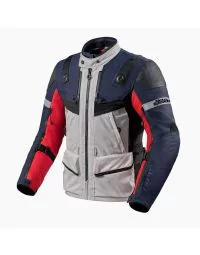
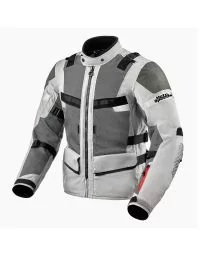
For a great example of a jacket designed with excellent weather protection and versatility, check out the . It often features multiple layers, including a robust outer shell and effective ventilation.
The Synergy of Layers: Making it All Work Together
Understanding each individual component of layered motorcycle gear is important, but the true "art" lies in making these layers work seamlessly together. The goal is to create a dynamic system that allows you to easily adapt to the unpredictability of long rides and varying climates.
Adapting to Changing Conditions
The beauty of layering is its adaptability. On a long tour, you might start the morning in chilly conditions, ride through a warm midday sun, encounter an unexpected rain shower, and finish the day in cool evening air.
Cool Start: Begin with your base layer, thermal liner, and outer shell.
Warming Up: As the day heats up, you might open your jacket vents. If it gets warmer still, you can remove your thermal liner and store it.
Rainy Interlude: If rain begins, ensure all your waterproof zippers and closures are secured. If your outer shell is not waterproof, you'd pull on a dedicated waterproof over-suit.
Cooling Down: As evening approaches, or if you climb to a higher, colder elevation, simply re-don your thermal liner to restore warmth.
This constant adjustment is key to maintaining comfort, preventing both overheating (which leads to sweating and subsequent chilling) and hypothermia.
Fit and Mobility: Don't Compromise
While adding layers, it's crucial that your entire setup still allows for unrestricted movement and a comfortable fit on the bike.
Avoid Bulk: Too many thick layers will restrict your movement, making it harder to operate controls and reducing your agility, which can be a safety hazard. This is why specialized thermal liners are often less bulky than regular street clothes.
Snug but Not Tight: Each layer should fit well. A base layer should be snug. A thermal liner should fit comfortably over the base layer without compressing it or bunching up. Your outer shell needs to accommodate all inner layers without being overly tight or loose.
Integrated Design: Many modern motorcycle jackets and pants are designed with layering in mind, featuring adjustable straps, stretch panels, and specific cuts to ensure comfort even with multiple layers underneath.
The Importance of Proper Sizing
Choosing the right size for all your layered motorcycle gear is paramount.
Base Layers: Should be skin-tight to wick moisture effectively.
Thermal Liners: Should fit comfortably over your base layer, allowing for air circulation without being baggy.
Outer Shell: Your jacket and pants should be sized to accommodate your base and mid-layers without feeling restrictive. When trying on gear, wear the layers you intend to ride with. Sit on a motorcycle or mimic a riding position to ensure there's no pulling, bunching, or discomfort at the shoulders, elbows, and knees. An ill-fitting outer shell can compromise the effectiveness of its protection and lead to fatigue.
Beyond the Core: Layering for Extremities
While focusing on your core body is essential, your hands, feet, and head are equally vulnerable to the elements and require strategic layering.
Hands: Gloves and Glove Liners
Your hands are constantly exposed to wind and cold, and numbness can quickly compromise your ability to operate controls.
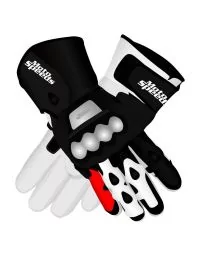
Glove Liners: Thin silk, merino wool, or synthetic glove liners worn under your main riding gloves provide an extra layer of warmth and can wick away sweat. They are particularly effective for transitional weather or moderately cold conditions.
Waterproof Gloves: For rain, waterproof gloves (with a membrane like Gore-Tex) are essential.
Heated Grips/Gloves: For truly cold weather, heated grips or electrically heated gloves can be a game-changer, often used in conjunction with thin liners.
Feet: Socks and Waterproof Boots
Cold, wet feet are a fast track to misery on a long ride.
Technical Socks: Avoid cotton socks, as they retain moisture. Opt for merino wool or synthetic blend socks designed for active wear. These will wick sweat and provide insulation.
Layered Socks (Optional): In extreme cold, some riders wear a thin wicking liner sock under a thicker wool sock.
Waterproof Boots: Absolutely essential. Your boots should be waterproof and provide adequate ankle protection. Ensure they are tall enough to prevent water from running down your legs into your boots.
Head and Neck: Balaclavas and Neck Warmers
Protecting your head and neck significantly impacts overall comfort.
Balaclava: A thin balaclava made of merino wool or technical synthetic fabric can add warmth under your helmet, prevent wind from entering the neck opening of your jacket, and help manage sweat inside the helmet.
Neck Warmer/Gaiter: A simple neck warmer can seal the gap between your helmet and jacket, preventing cold air from chilling your neck and chest. Many are made from fleece or windproof materials.
Maintenance and Care for Your Layered Gear
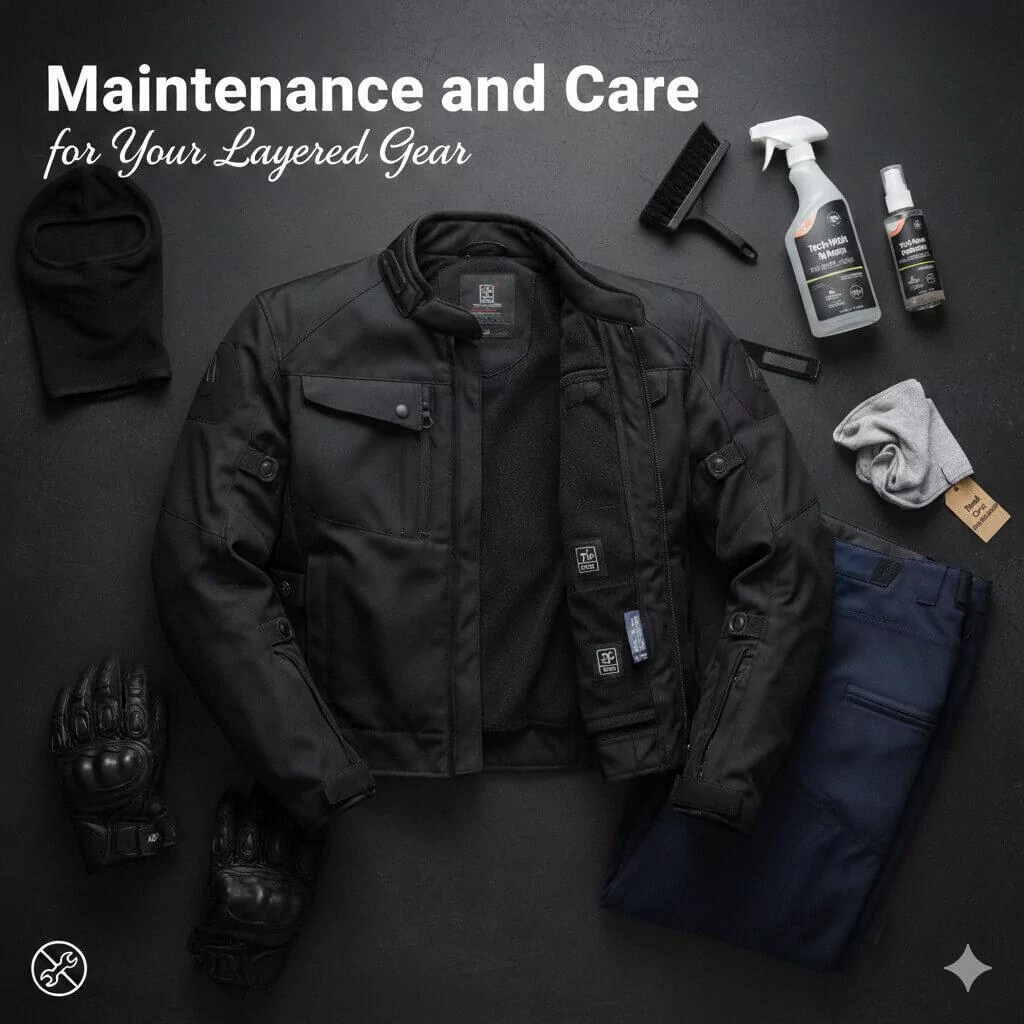
Proper care extends the life and maintains the performance of your layered motorcycle gear. Neglecting care can significantly reduce the effectiveness of moisture-wicking, insulation, and waterproofing.
Cleaning Your Base Layers
Frequency: Wash frequently, as sweat and body oils can clog the wicking fibers.
Method: Follow garment care labels. Generally, machine wash with a mild detergent on a gentle cycle in cold or lukewarm water.
Avoid: Fabric softeners, bleach, and harsh detergents, as these can damage technical fibers and impair wicking properties.
Drying: Air dry or tumble dry on low heat. High heat can damage synthetic fibers.
Washing Thermal Liners
Frequency: Less frequently than base layers, but wash when they start to smell or become visibly dirty.
Method: Consult the care label. Most synthetic thermal liners can be machine washed on a gentle cycle with mild detergent. For down insulation, special down-specific detergents are recommended.
Avoid: Over-washing and harsh chemicals.
Drying: Air dry thoroughly. For down liners, tumble dry on low with tennis balls to fluff the down.
Caring for Waterproof Outer Shells
Frequency: Wash when visibly dirty or when the DWR coating starts to fail (water no longer beads up).
Method: Remove all armor and liners first. Zip up all zippers. Hand wash or machine wash on a gentle cycle with a technical wash specific for waterproof breathable fabrics (e.g., Nikwax, Grangers). Avoid regular detergents, which can leave residues that compromise waterproofing and breathability.
Reactivating DWR: After washing, tumble dry on low heat if the label allows, as this can reactivate the existing DWR. If water still doesn't bead, you'll need to reapply a DWR treatment.
Storage: Store in a well-ventilated area, away from direct sunlight.
Conclusion: Embrace the Ride, Whatever the Weather
The journey of motorcycling is about freedom, adventure, and the pure joy of the open road. Don't let discomfort from unpredictable weather diminish that experience. By mastering the art of layered motorcycle gear, you equip yourself with the ability to conquer any climatic challenge, transforming potential misery into sustained comfort.
Remember the three pillars: a high-performance motorcycle base layer for moisture management, an effective thermal liner for insulation, and a robust outer shell for essential weather protection and safety. Each layer plays a critical, symbiotic role in creating your personal microclimate.
Investing in quality layered gear is an investment in your comfort, focus, and ultimately, your safety on every ride. So, plan your layers, hit the road, and truly embrace the journey, knowing you're prepared for whatever lies ahead.
Ready to enhance your riding comfort? Learn more about complete layering solutions and premium gear at .
FAQs About Layered Motorcycle Gear
Q1: Can I just wear regular clothes for layering under my motorcycle jacket?
A1: While technically possible, it's not recommended. Regular cotton clothing absorbs sweat and stays wet, making you cold. Technical motorcycle base layer and thermal liner garments are specifically designed to wick moisture, insulate efficiently, and fit comfortably under riding gear without bulk, vastly improving your comfort and safety.
Q2: How do I know if my gear is truly waterproof?
A2: Look for gear that explicitly states it uses a waterproof membrane (like Gore-Tex, D-Dry, Drystar, etc.) and features taped or sealed seams. A simple DWR coating alone is water-resistant, not fully waterproof. Read product descriptions carefully.
Q3: What's the best material for a base layer for all-season riding?
A3: For true all-season versatility, merino wool is an excellent choice due to its natural temperature regulating properties (warm when cold, cool when hot) and odor resistance. However, for intense summer heat or very heavy sweating, some riders prefer highly technical synthetics for their superior wicking and faster drying.
Q4: My motorcycle jacket has a removable thermal liner. Do I still need a separate mid-layer?
A4: For most conditions, the integrated thermal liner is sufficient. However, for extremely cold conditions or if you want more flexibility, a thin, packable standalone mid-layer (like a lightweight fleece or insulated vest) can be added or swapped out for the integrated liner, allowing for finer temperature control.
Q5: How often should I reapply DWR to my outer gear?
A5: The frequency depends on how often you ride in wet conditions and how often you wash your gear. A good indicator is when water no longer beads up on the fabric surface but soaks in ("wets out"). For frequent riders, reapplying DWR once or twice a season is a good practice. Always use DWR products designed for technical outerwear.
Q6: Can layering make me overheat?
A6: Yes, if done incorrectly. The key to effective layered motorcycle gear is adaptability. Start with layers appropriate for the coolest part of your ride, and be prepared to remove or open vents as temperatures rise. A good base layer that wicks sweat and breathable outer shell also prevent overheating by allowing moisture to escape.