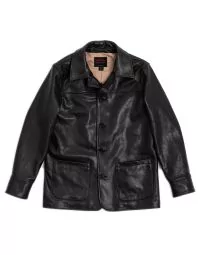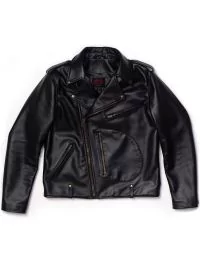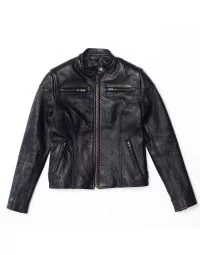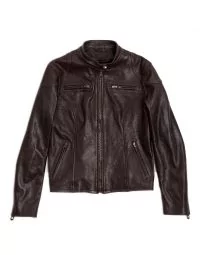
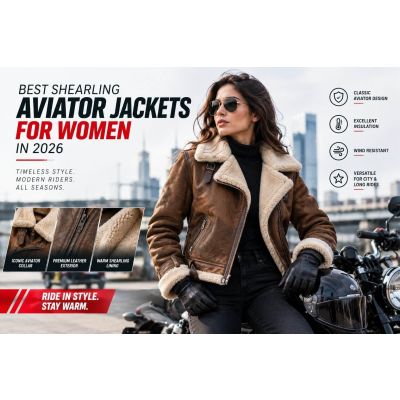
Urban riders face a practical challenge: finding a jacket that protects during daily commuting while working across changing weather and multiple riding scenarios. A shearling aviator jacket for women combines heritage style with functional layering, making it a versatile choice for city riders who want protection without sacrificing everyday wearability.
Shearling aviator jackets have evolved far beyond vintage flight wear. Modern versions designed for motorcycle commuting integrate protective features, flexible construction, and materials that work in stop-and-go traffic, weekend street riding, and transitional seasons. Understanding how shearling construction, lining systems, fit, and protective armor work together helps riders make informed decisions about whether this jacket type suits their urban riding environment.
This guide explains what shearling aviator jackets do, how they work in everyday city riding, what materials and construction details matter, and how to evaluate whether a fur-lined aviator jacket aligns with your commuting needs and riding style.
Quick Answer
A shearling aviator jacket for women is a leather jacket with a wool-fleece lining designed to provide abrasion resistance, thermal comfort, and style in one garment. The leather exterior offers protection against road contact during slides or crashes, while the shearling lining traps warmth for cold-weather riding. Aviator jackets work well for urban riders who commute in cooler months, value layering flexibility, and want a jacket that transitions between the bike and casual urban environments. The primary trade-off is versatility: shearling linings limit ventilation in warm weather, making these jackets better suited to fall, winter, and spring riding rather than summer commuting.
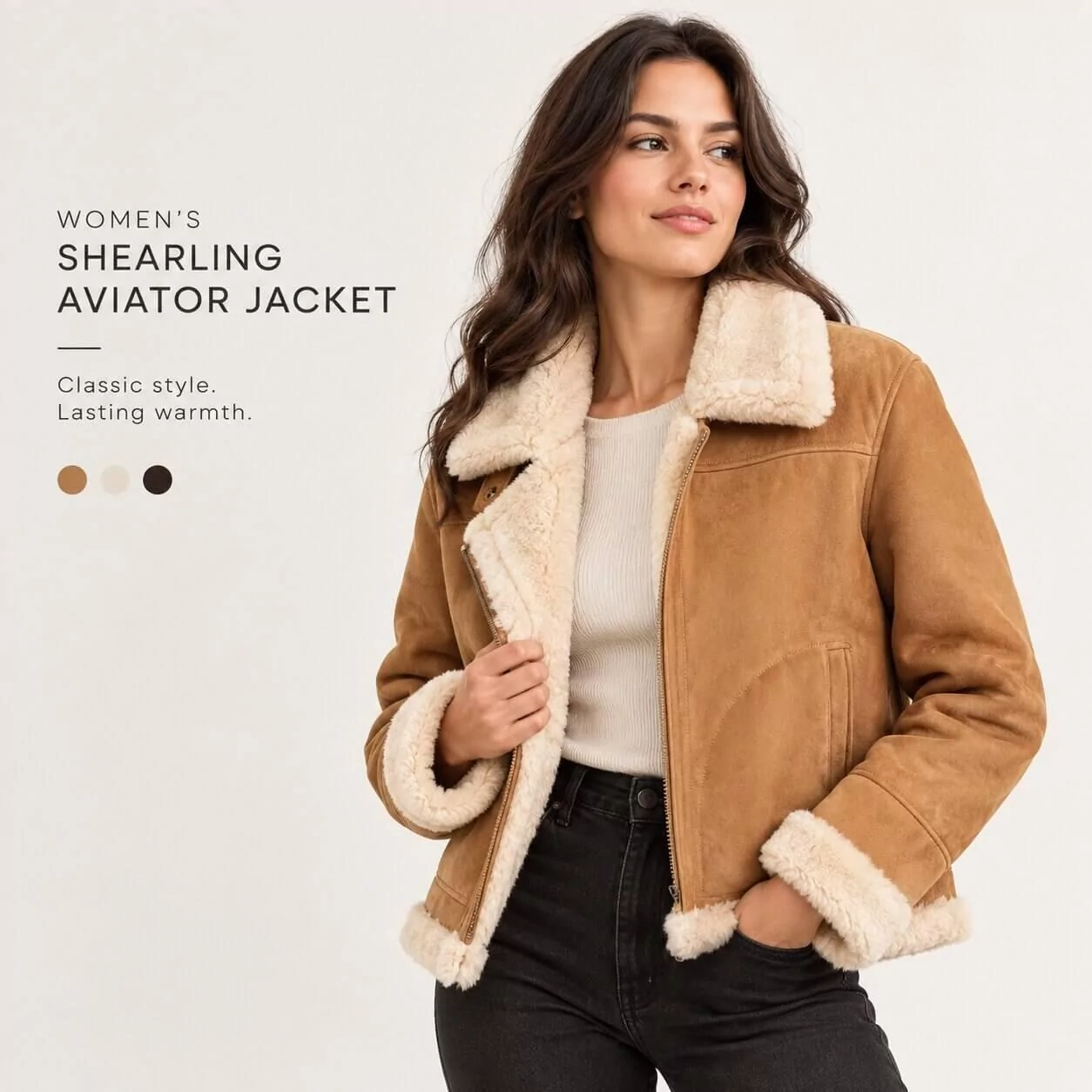
Table of Contents
- What Does a Shearling Aviator Jacket Mean for Urban Riders?
- How Does Shearling Construction Work in Motorcycle Jackets?
- How Does It Perform in Everyday City Riding?
- What Materials and Construction Features Matter?
- How Do Fit, Comfort, and Practicality Affect Your Choice?
- When Should Riders Choose a Shearling Aviator Jacket?
- Final Product Selection Advice
What Does a Shearling Aviator Jacket Mean for Urban Riders?
A shearling aviator jacket combines two functions: an outer leather shell designed to resist abrasion during slides, and a wool-fleece interior that provides thermal insulation. For urban riders, this means one jacket can handle multiple riding scenarios across cooler seasons without requiring a separate thermal liner or heavier winter suit.
The aviator style itself—characterized by a structured silhouette, snap or zipper closures, a defined collar, and often a cropped waist—originated in military aviation and has become a versatile urban riding staple. Unlike racing suits or technical textile jackets, aviator jackets prioritize everyday wearability alongside protection, making them practical for commuters who walk between their bike and office, run errands, or need a jacket that doesn't advertise "motorcycle gear" in every detail.
For women riders specifically, shearling aviator jackets offer heritage styling with modern fit considerations. They layer well over riding shirts or thermal base layers, work with most urban riding postures, and provide enough structure to keep armor correctly positioned during rides.
How Does Shearling Construction Work in Motorcycle Jackets?
Shearling is sheepskin with the wool fleece still attached to the leather. In motorcycle jackets, the leather faces outward for abrasion protection, and the fleece faces inward against the rider's body for warmth and comfort.
The leather component is typically full-grain or top-grain leather selected for thickness and tear resistance. Riders should check product specifications to understand the leather weight and quality, as these affect durability and how the jacket ages with use. The shearling lining is sewn or glued to the interior, creating a unified thermal layer that doesn't shift during riding.
Unlike removable thermal liners found in some motorcycle jackets, shearling is permanently integrated into the garment. This means you cannot swap it out for different seasons—the jacket is designed to work as a single unit. For urban riders in temperate climates or those who ride year-round, this permanent construction offers simplicity. For riders in extreme heat or extreme cold, the limitation becomes more relevant.
Riders comparing practical gear for everyday city use can explore our
for products designed around fit, comfort, versatility, and riding needs.How Does It Perform in Everyday City Riding?
In stop-and-stop traffic and short urban commutes, a shearling aviator jacket offers consistent thermal comfort without overheating concerns. The leather exterior sheds light rain and wind, while the shearling interior traps body heat—useful during cool morning commutes or evening rides home.
During longer urban rides or warmer riding days, the permanent shearling lining can create excess heat. Riders cannot unzip the lining or remove it; instead, they must rely on ventilation from open zippers or armholes. This makes shearling jackets less ideal for summer commuting or hot-weather riding. A rider commuting in spring or fall will find the thermal balance more comfortable than one riding primarily in summer heat.
The structured aviator silhouette keeps the jacket positioned correctly on the bike, which helps protective armor (if integrated) stay in place during movement. The defined waist and tailored cut also mean the jacket moves with the rider without excess fabric bunching or shifting. For commuters who value a streamlined appearance and predictable fit, this structure is an advantage over looser, oversized motorcycle jackets.
Walking while wearing a shearling aviator jacket feels natural in urban environments. The jacket doesn't scream "motorcycle gear"—it reads as a classic leather jacket with heritage styling. This makes it practical for riders who need their gear to transition seamlessly between the bike and everyday activities like walking into a coffee shop, running errands, or attending casual social events.
What Materials and Construction Features Matter?
When evaluating a shearling aviator jacket for women, focus on several material and construction details:
Leather Grade and Thickness: Full-grain leather offers better abrasion resistance than split leather or bonded leather. Thicker leather generally resists tearing and puncture better than thin leather, but also weighs more and may feel less flexible. Check product specifications for leather weight or thickness information, and handle the jacket in person if possible to assess the feel and flexibility.
Shearling Quality: The density and length of the wool fleece affect thermal performance and durability. Denser, thicker shearling provides more insulation but may add weight. Shorter fleece is lighter and more packable. Riders should inspect the shearling for evenness, matting, or thin spots that might indicate lower-quality construction.
Stitching and Seams: Look for reinforced stitching, especially at stress points like shoulders, underarms, and pocket edges. Double-stitched or triple-stitched seams indicate better durability. Seams should be straight and even, with no loose threads or gaps.
Armor Compatibility: Many shearling aviator jackets include integrated CE-rated shoulder or elbow armor, while others offer pockets for removable armor inserts. Integrated armor must be correctly positioned to provide the intended protection. If you choose a jacket with removable armor pockets, verify that the armor fits properly and stays in place during riding. Check product details for armor coverage and certification.
Collar Design: Aviator collars are often lined with shearling or fleece, providing neck warmth and wind protection. Some collars are designed to fold down for a cleaner look, while others stand up naturally. A well-designed collar should not choke or restrict neck movement, and should provide effective wind blocking without creating pressure points during long rides.
Zippers and Closures: YKK or similar quality zippers resist corrosion and operate smoothly through repeated use. Snap closures on aviator jackets should be sturdy and not strip easily. Check that all closures align properly and don't create gaps that let wind through.
Pockets and Storage: Urban riders often need pockets for phones, keys, or wallets. Aviator jackets typically include hand pockets and sometimes interior pockets. Make sure pockets are deep enough to secure items during riding and that zippers or snaps prevent items from falling out during movement.
How Do Fit, Comfort, and Practicality Affect Your Choice?
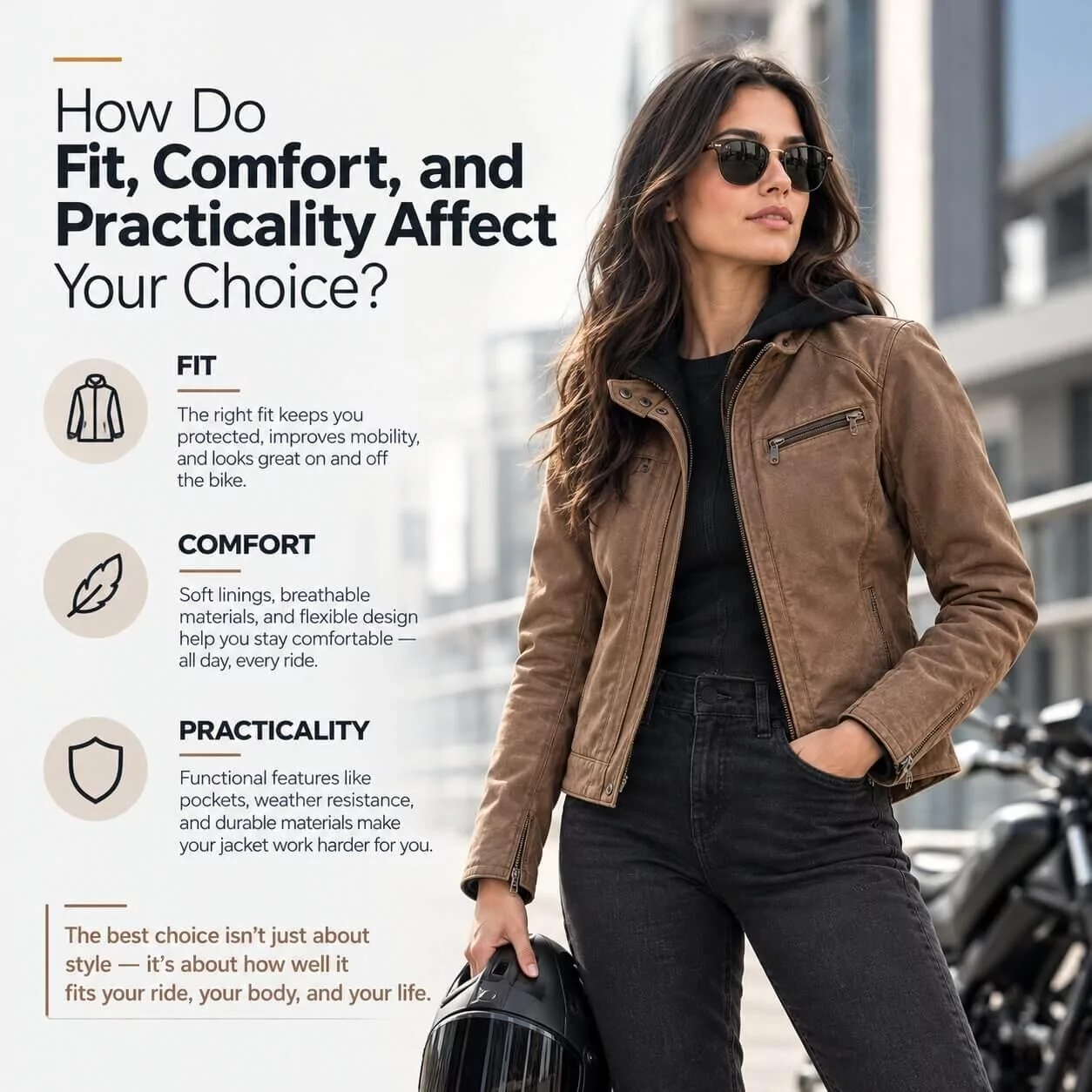
Fit is critical for both protection and comfort. A shearling aviator jacket should fit snugly enough that armor stays in place during riding, but not so tight that it restricts movement or causes discomfort during a long commute. The jacket should allow full shoulder rotation, arm extension, and torso twisting without pulling or bunching.
The weight of shearling and leather combined is heavier than textile or mesh jackets. Riders should consider whether they can comfortably wear the jacket for the duration of their typical commute. A jacket that feels heavy during a 20-minute ride may become fatiguing during a 60-minute commute. Trying on the jacket and simulating riding postures—reaching forward, gripping handlebars, leaning into turns—gives a realistic sense of comfort and mobility.
Layering compatibility matters for urban riders who encounter changing temperatures. A well-fitted shearling aviator jacket should accommodate a thin riding shirt or thermal base layer underneath without becoming too tight. Conversely, it should not be so loose that it creates gaps where cold air enters during movement. Custom sizing options, if available, can help ensure the jacket fits your specific frame and layering preferences.
Sleeve length is important for protection. Sleeves should reach your wrist bone when your arm is extended, ensuring that the leather covers your wrists during a slide. Sleeves that are too long bunch at the wrist and reduce mobility; sleeves that are too short leave the wrist exposed. Check the jacket's sizing chart and try it on before purchasing if possible.
Shearling aviator jackets are not highly packable. The thickness of the material and the integrated lining mean the jacket doesn't compress easily for storage or travel. If you need a jacket you can roll up and fit in a backpack or saddlebag, a lighter textile or mesh jacket may be more practical. For riders with a dedicated motorcycle parking space or locker, packability is less of a concern.
When Should Riders Choose a Shearling Aviator Jacket?
A shearling aviator jacket makes sense for several urban riding scenarios:
Cool-Season Commuting: Riders who commute primarily in fall, winter, or spring benefit from the integrated thermal protection. You avoid the need to swap liners or layer heavily, and the jacket handles temperature fluctuations across the commuting season.
Mixed-Distance Urban Riding: If you combine short daily commutes with occasional longer weekend rides in cooler weather, a single shearling jacket covers both scenarios without requiring multiple gear options.
Lifestyle Versatility: Riders who want their gear to work both on and off the bike appreciate the aviator style's crossover appeal. The jacket reads as urban fashion, not purely technical motorcycle gear, making it easier to wear for casual activities.
Armor Integration: If you prefer integrated protective armor over removable inserts, many shearling aviator jackets include CE-rated shoulder and elbow protection that stays correctly positioned by design. This simplifies gear preparation before rides.
Heritage Aesthetic: Riders who value classic, timeless styling over trendy technical looks often prefer aviator jackets. The design has proven durability and appeal across decades, and quality shearling jackets age well with proper care.
A shearling aviator jacket is less ideal if you ride primarily in summer heat, need maximum ventilation, prefer lightweight gear, or value packability and storage ease. In those scenarios, textile jackets with removable thermal liners, mesh jackets, or riding shirts offer better trade-offs.
Final Product Selection Advice
Choosing a shearling aviator jacket requires balancing protection, comfort, style, and practical riding conditions. Start by honestly assessing your typical riding environment: How often do you ride? What temperatures do you encounter most? How long are your typical rides? Do you need your gear to transition between motorcycle and casual urban use?
Next, prioritize fit and material quality over price alone. A well-fitted jacket with quality leather and dense shearling will outlast and outperform a cheaper option, and proper fit directly affects both protection and comfort. If possible, try on jackets in person and simulate riding postures to verify that armor placement, sleeve length, and overall mobility meet your needs.
Check product specifications for leather type and weight, shearling density, stitching details, armor certification (if included), and care requirements. Understand that shearling jackets require regular maintenance—brushing the fleece, conditioning the leather, and professional cleaning—to preserve their appearance and function. Budget time and cost for ongoing care.
Consider whether integrated shearling lining aligns with your riding seasons. If you ride year-round or frequently in warm weather, a jacket with removable thermal lining offers more flexibility. If you ride primarily in cooler months, the permanent shearling simplifies gear management.
For riders ready to invest in a quality shearling aviator jacket, the
provides a closer look at construction, fit, protective features, and how the jacket performs across different urban riding scenarios. Understanding the specific product's materials, armor placement, and design details ensures you choose a jacket that genuinely matches your commuting needs and riding environment.FAQs
What is the difference between a shearling aviator jacket and a regular leather motorcycle jacket?
A shearling aviator jacket includes a permanent wool-fleece lining integrated into the leather exterior, providing built-in thermal insulation. A regular leather motorcycle jacket typically has a thin lining or no lining, requiring separate thermal layers or removable liners for warmth. Shearling jackets offer simplicity and consistent thermal performance but sacrifice ventilation and seasonal flexibility. Regular leather jackets are lighter, more packable, and work better across a wider temperature range.
Do shearling aviator jackets provide abrasion protection?
Yes. The leather exterior is designed to resist abrasion during slides or road contact. The level of protection depends on leather quality, thickness, and how well the jacket fits and stays positioned during riding. Shearling lining does not contribute to abrasion protection—it provides thermal comfort. Check product specifications for leather type and weight, and verify that the jacket fits snugly enough to maintain correct positioning during movement.
Can you remove the shearling lining from an aviator jacket?
No. Shearling is permanently sewn or glued to the leather interior. Unlike removable thermal liners, you cannot take out or swap the shearling. This is a design trade-off: permanent integration ensures the lining stays in place and provides consistent thermal performance, but it also means the jacket is not versatile across extreme temperature ranges. Riders who need seasonal flexibility should consider jackets with removable liners instead.
Are shearling aviator jackets suitable for summer riding?
Shearling aviator jackets are not ideal for summer riding. The permanent wool-fleece lining traps heat and limits ventilation, making them uncomfortable in warm weather. These jackets are best suited to fall, winter, and spring riding. Riders who commute year-round should consider a textile or mesh jacket with removable thermal lining, or maintain separate seasonal jackets.
How do you care for a shearling aviator jacket?
Shearling requires regular maintenance. Brush the fleece gently with a soft-bristled brush to prevent matting and restore texture. Condition the leather periodically with leather conditioner to prevent cracking and maintain suppleness. Spot-clean minor stains promptly. For deep cleaning, professional leather cleaning services are recommended to avoid damaging the shearling or leather. Always check the manufacturer's care instructions for specific guidance, as different jackets may have different requirements.
What size should I choose in a shearling aviator jacket?
Fit is critical for protection and comfort. The jacket should fit snugly enough that integrated armor stays in place, but not so tight that it restricts movement or causes discomfort during riding. Sleeves should reach your wrist bone when your arm is extended. Check the manufacturer's sizing chart and try on the jacket in person if possible. If standard sizing doesn't match your frame, ask about custom sizing options, which can ensure the jacket fits your specific measurements and layering preferences.
Do all shearling aviator jackets include protective armor?
Not all shearling aviator jackets include integrated armor. Some come with CE-rated shoulder and elbow protection already sewn in, while others offer removable armor pockets. Check product specifications to understand what armor is included and where it's positioned. If you choose a jacket with removable armor pockets, verify that the armor fits correctly and stays in place during riding. Proper armor positioning is essential for protection during slides or impacts.
Conclusion
A shearling aviator jacket for women combines heritage styling with practical thermal protection, making it a versatile option for urban riders who commute in cooler seasons. The permanent wool-fleece lining provides consistent warmth without requiring separate thermal layers, while the leather exterior offers abrasion resistance designed to help protect during slides. The aviator silhouette works well in stop-and-go city traffic, transitions naturally to casual urban environments, and accommodates integrated protective armor.
The primary trade-off is versatility: shearling lining limits ventilation and makes these jackets less suitable for summer riding or warm weather. Riders must also commit to ongoing maintenance—brushing the fleece, conditioning the leather, and professional cleaning—to preserve the jacket's appearance and performance.
Choosing a shearling aviator jacket requires honest assessment of your riding environment, seasons, and distance. Prioritize fit and material quality, verify armor placement if protection is included, and understand the jacket's care requirements. When you match the jacket to your actual commuting needs and riding conditions, a quality shearling aviator jacket becomes a durable, practical, and stylish addition to your urban motorcycle gear lineup. Explore MotoSpeeds' selection of women's motorcycle jackets and gear to find an option that aligns with your protection needs, comfort preferences, and riding style.