Table of Contents
- Introduction: The Reality of the Open Road
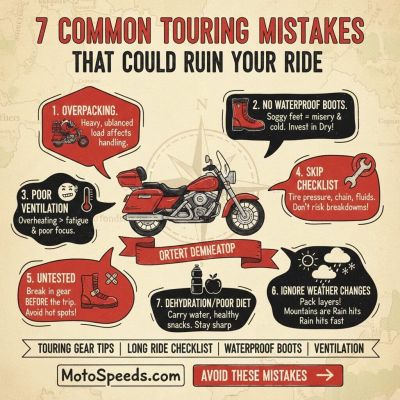
- 1. Overpacking and Poor Weight Distribution
- 2. Neglecting the "Dry Feet" Rule: The Case for Waterproof Boots
- 3. Mismanaging Airflow: The Ventilation Trap
- 4. Ignoring the Long Ride Checklist
- 5. Wearing Untested Gear on Day One
- 6. Underestimating Weather Variability
- 7. Poor Hydration and Nutrition Planning
- Conclusion: Ride Smarter, Not Harder
- Frequently Asked Questions
Introduction: The Reality of the Open Road
There is a romanticized version of motorcycle touring: endless sunsets, winding mountain passes, and the perfect mechanical harmony of man and machine. However, veteran riders know that the difference between a legendary trip and a miserable slog often comes down to preparation. Many riders fall victim to easily avoidable errors, from gear failures to planning oversights.
In this guide, we explore touring gear tips that will save your sanity. Whether you are a weekend warrior or planning a transcontinental trek, avoiding these seven common mistakes is essential for your comfort and safety.
1. Overpacking and Poor Weight Distribution
The most common mistake for first-time tourers is trying to bring "everything but the kitchen sink." Excess weight affects your bike's center of gravity, braking distance, and fuel economy. More importantly, it makes slow-speed maneuvers—like turning around in a gravel parking lot—unnecessarily dangerous.
The Solution: Think Modular
Instead of packing three heavy sweaters, use the layering system. Choose multi-functional that can adapt to different climates. Keep your heaviest items low and centered on the bike to maintain stability.
2. Neglecting the "Dry Feet" Rule: The Case for Waterproof Boots
Nothing ends a ride's enjoyment faster than soggy socks. Once your feet are wet, your body temperature drops rapidly, and your focus shifts from the road to your discomfort. Many riders assume "water-resistant" is enough—it isn't.
Why Waterproof Boots are Non-Negotiable
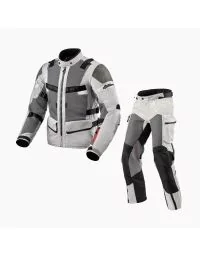
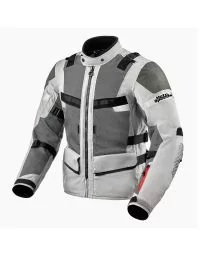
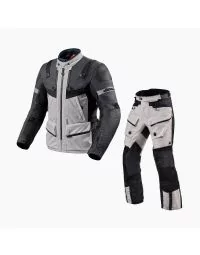
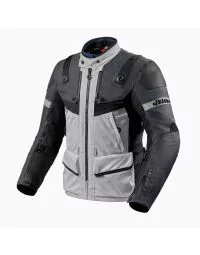
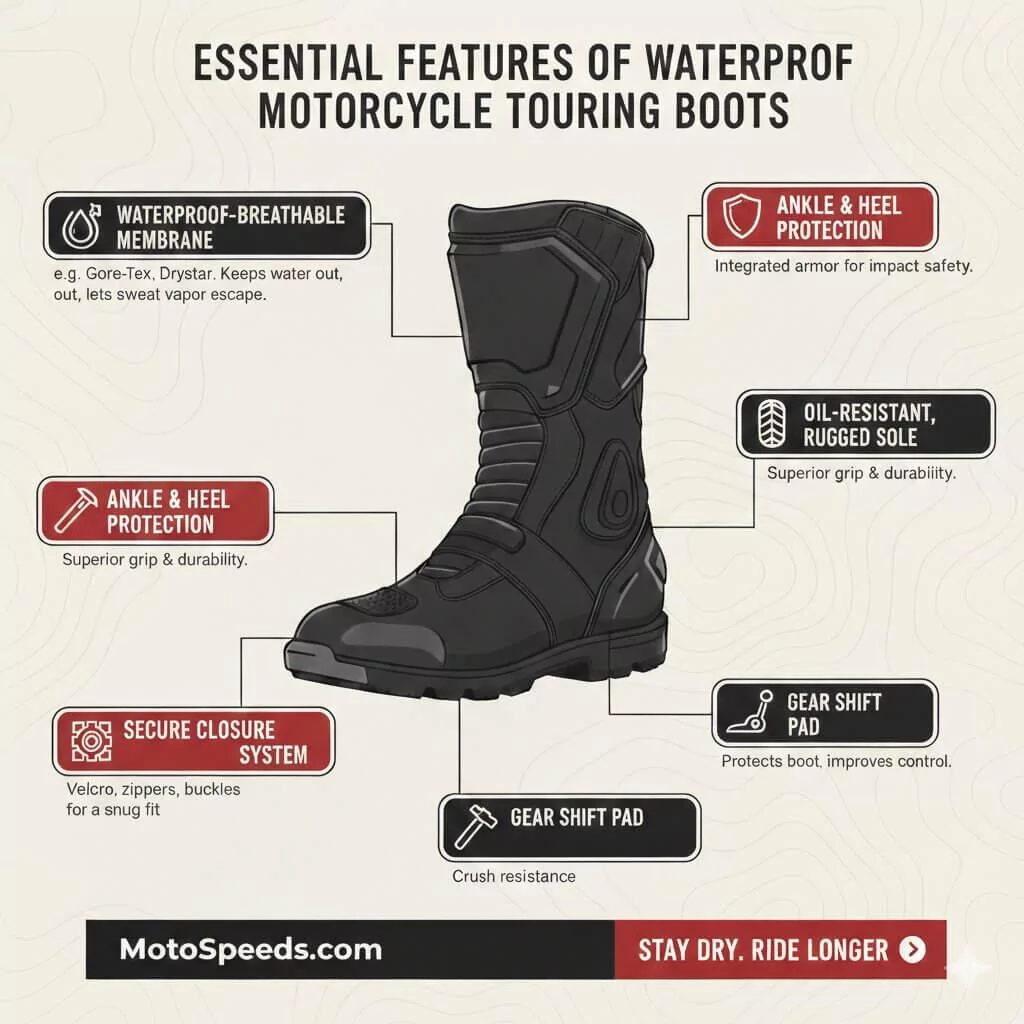
At highway speeds, rain is driven into your gear with significant pressure. Waterproof boots featuring a breathable membrane like Gore-Tex or Drystar are essential. They keep external water out while allowing sweat vapor to escape. If you are shopping for a total solution, consider the Vertex Motorcycle Riding Suit, which pairs perfectly with high-quality waterproof footwear to create a total weather shield.
3. Mismanaging Airflow: The Ventilation Trap
Riders often focus so much on staying warm or dry that they forget about ventilation. In hot climates, or during high-intensity technical riding, heat exhaustion is a real threat. A jacket that doesn't breathe becomes a "sauna suit," leading to fatigue and slowed reaction times.
Active vs. Passive Ventilation
Look for gear with "active" ventilation—zippers on the chest, underarms, and back that allow for flow-through cooling. Avoid gear that relies solely on mesh panels if you plan to ride through cold areas, as you won't be able to "shut off" the airflow when the temperature drops.
4. Ignoring the Long Ride Checklist
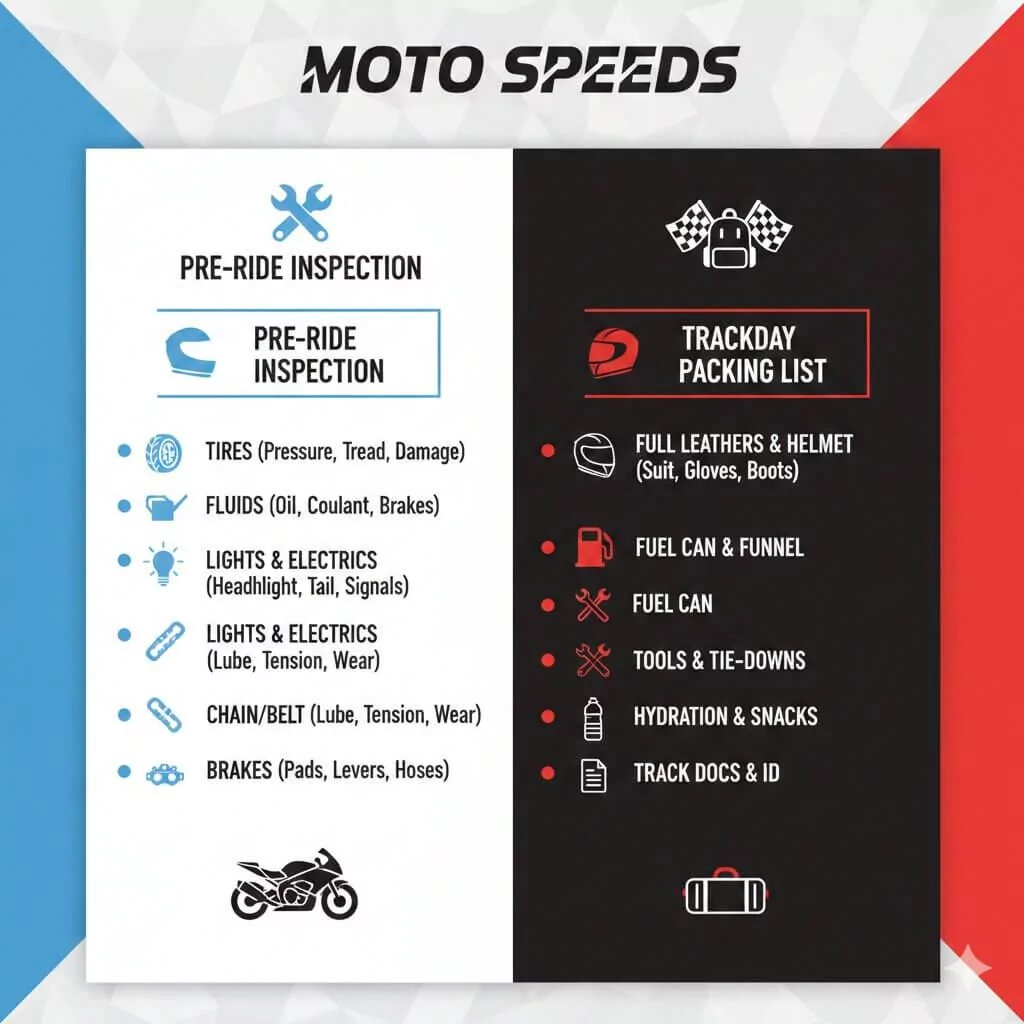
Leaving your preparation to memory is a recipe for disaster. Did you check your tire pressure? Do you have your registration? Is your chain lubed? Small oversights turn into major mechanical failures 200 miles from the nearest shop.
Your Essential Long Ride Checklist
- Mechanical: Tire tread/pressure, oil levels, chain tension, brake pad thickness.
- Documentation: License, insurance, emergency contact info.
- Emergency Kit: Tire plug kit, CO2 cartridges, multi-tool, first-aid kit.
- Comfort: Earplugs (essential for reducing wind noise fatigue), spare gloves, and a clear visor for night riding.
5. Wearing Untested Gear on Day One
A brand-new pair of boots or a stiff textile suit might seem like a great idea for a fresh start, but untested gear can have "hot spots" or pinch points that only become apparent after three hours in the saddle.
Touring gear tips: Always go for at least two "shakedown" rides with your full setup before the main event. This includes your luggage; see how the bike handles the weight before you’re committed to a 500-mile day.
6. Underestimating Weather Variability
Just because it’s 80°F at your house doesn't mean it won't be 45°F at the mountain summit. Failing to account for elevation and coastal winds is a classic mistake.
The Vertex Advantage
The is designed for these exact scenarios. Its versatile construction allows you to manage temperature through a combination of thermal liners and advanced ventilation ports, ensuring you are never caught off guard by a sudden cold front.
7. Poor Hydration and Nutrition Planning
Touring is a physical sport. Dehydration leads to a lack of concentration, which is the primary cause of single-vehicle motorcycle accidents. Relying on gas station snacks and soda will lead to energy crashes.
Use a hydration bladder in your tank bag or backpack. Taking small sips of water every 15 minutes is much more effective than chugging a bottle of water every two hours during a stop.
Conclusion: Ride Smarter, Not Harder
Motorcycle touring is the ultimate way to see the world, but it requires respect for the elements and the machine. By following these touring gear tips, prioritizing waterproof boots, and strictly adhering to a long ride checklist, you remove the stress and leave room for the adventure.
Don't let a simple mistake ruin your memories. Gear up correctly, check your bike, and stay hydrated.
Ready to Gear Up?
Don't leave your comfort to chance. Invest in professional-grade protection today.
Frequently Asked Questions
What is the most important item in a long ride checklist?
While safety gear is paramount, a tire plug kit is often the most critical tool. A simple nail can end your trip if you aren't prepared to perform a roadside repair.
How do I improve ventilation in my current gear?
Ensure your base layers are moisture-wicking synthetics. If your jacket has vents, make sure your backpack straps aren't blocking the exhaust vents on the back, which prevents the "venturi effect" of pulling hot air out.
Are waterproof boots too hot for summer touring?
High-quality waterproof boots use breathable membranes. While they are slightly warmer than non-waterproof mesh boots, the trade-off is worth it for the protection they offer against unexpected storms.