Introduction: The Challenge of Riding in Summer Heat
Summer track days are thrilling, but they also bring one major challenge—heat. Riders wearing full motorcycle race suits often struggle with rising body temperatures, especially during long sessions on the track. Traditional leather suits provide exceptional protection, but they can trap heat if ventilation is limited. This is where innovative gear design comes into play. One of the most important advancements in modern motorcycle race gear is the ventilated aerodynamic hump.
Ventilated humps are transforming the way riders experience summer track days by improving airflow, reducing heat buildup, and maintaining the high level of protection required in racing environments.
What Is an Aerodynamic Hump in Motorcycle Race Gear?
The aerodynamic hump is a raised section on the upper back of a . Originally designed to improve aerodynamics and rider stability at high speeds, the hump has evolved into a multifunctional feature in modern race suits.
Traditional Purpose of the Racing Hump
In professional racing, aerodynamic humps help reduce drag and improve airflow over the rider’s body. They also provide additional protection for the upper spine and shoulders during crashes.
Evolution Toward Ventilated Designs
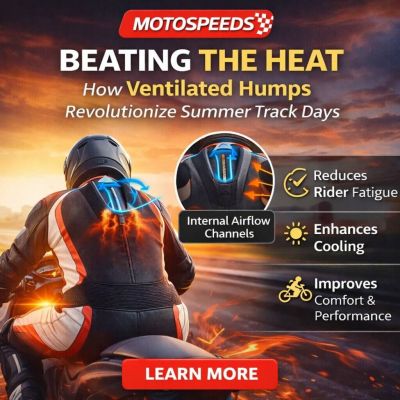
Modern race suits now include ventilated hump technology. These humps incorporate airflow channels, intake vents, and perforation zones that help circulate air through the suit while the rider is in motion.
The Problem with Heat During Summer Track Days
Track riding during hot weather places serious stress on the rider’s body.
Heat Buildup Inside Leather Race Suits
Leather suits are designed to protect riders from abrasion during crashes. However, thick leather layers can trap heat and moisture if ventilation is insufficient. When riders overheat, fatigue increases and concentration decreases.
Impact on Rider Performance and Safety
Overheating can slow reaction times, reduce endurance, and increase dehydration risk. For riders pushing their limits on the track, maintaining body temperature is essential for both performance and safety.
How Ventilated Humps Improve Airflow
Ventilated humps work as a dynamic airflow system that activates when the rider is moving at speed.
Air Intake Channels
Strategically placed vents in the hump allow fresh air to enter the suit as the rider moves forward. This airflow is directed toward the upper back and shoulders, where heat typically accumulates.
Internal Air Circulation
Once air enters the hump, it travels through ventilation channels integrated into the suit’s lining. This movement helps remove heat and moisture from inside the suit.
Enhanced Cooling During High-Speed Riding
Because airflow increases with speed, ventilated humps become especially effective on the track where riders spend extended periods at high velocity.
Performance Benefits of Ventilated Racing Humps
Ventilated humps provide several advantages beyond simple cooling.
Reduced Rider Fatigue
Better airflow helps riders stay cooler for longer periods. This reduces fatigue and allows riders to maintain focus throughout multiple track sessions.
Improved Comfort in Hot Conditions
Summer track days can push temperatures well above comfortable levels. Ventilated hump technology allows riders to remain comfortable without compromising the protection of a full leather race suit.
Maintaining Aerodynamic Stability
Even with added ventilation, the hump still maintains its aerodynamic benefits. Riders continue to experience improved airflow over their body, helping stabilize the riding position at high speeds.
Why Ventilation Matters in Modern Race Gear
Motorcycle gear manufacturers continue to innovate to improve rider safety and comfort. Ventilation has become a major focus in modern race suit development.
Advanced race suits now combine perforated leather panels, stretch zones, moisture-wicking liners, and ventilated humps to create a balanced system that protects riders while allowing better temperature control.
These improvements are especially important for track riders who spend long hours in demanding riding conditions.
Explore MotoSpeeds Motorbike Race Gear
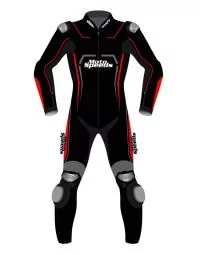
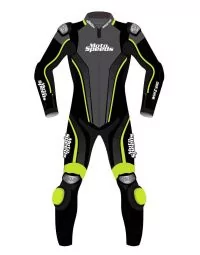
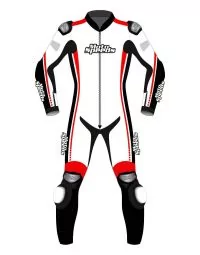
MotoSpeeds offers advanced designed for performance, protection, and rider comfort. The collection includes race suits with modern ventilation features, aerodynamic humps, and high-quality leather construction suitable for track riders and enthusiasts alike.
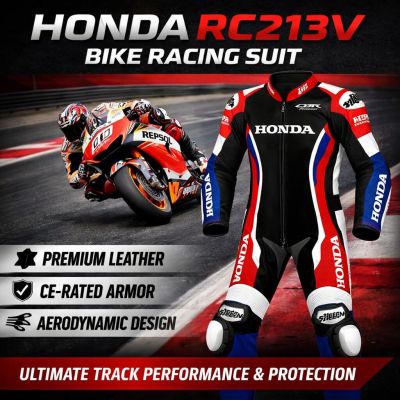
MotoSpeeds race suits are engineered with rider-focused features such as CE-certified armor, premium leather materials, and advanced ventilation systems designed to perform in real-world racing environments.
Choosing the Right Race Suit for Summer Track Days
If you frequently ride during warm weather or attend summer track events, choosing a race suit with proper ventilation is essential.
Look for suits that include:
Perforated leather panels
Stretch ventilation zones
Moisture-wicking inner liners
Ventilated aerodynamic humps
These features work together to maintain airflow while keeping the rider protected.
Conclusion: Ride Cooler, Ride Longer
Summer track days should be about pushing limits and enjoying the ride—not struggling with overheating gear. Ventilated humps represent an important innovation in modern motorcycle race suits, helping riders stay cooler while maintaining top-level protection and aerodynamics.
By improving airflow and reducing heat buildup, this technology allows riders to stay focused, comfortable, and confident on the track.
Call to Action (CTA)
Explore MotoSpeeds motorbike race gear and experience the next generation of performance-focused racing suits designed for comfort, safety, and speed.