The Race blog is for riders who spend time on the track. Read how one-piece and two-piece leather suits differ, why a race suit should fit snug, and when to repair or replace one. Other posts look at MotoGP penalties, leg dangle, aerodynamics, winter trackday layers, and simple fixes for scratches and loose seams in leather gear.
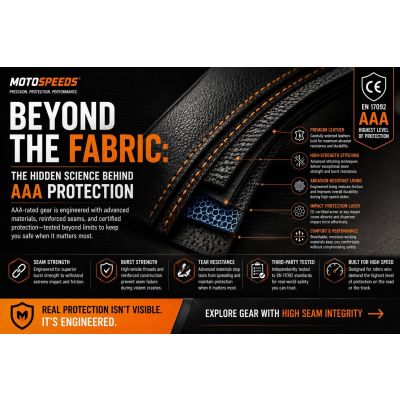
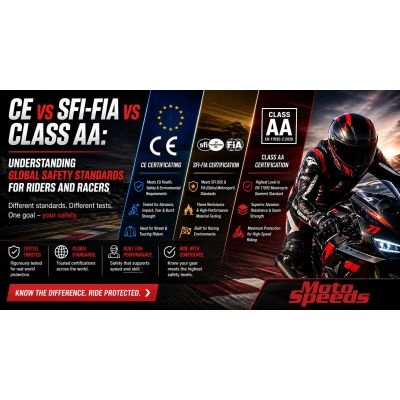
Thick leather is only part of the story. If a seam splits in a slide, skin meets the road. EN 17092 tests gear for abrasion, tears and seam strength, in classes A, AA and AAA. AAA gear must pass the...
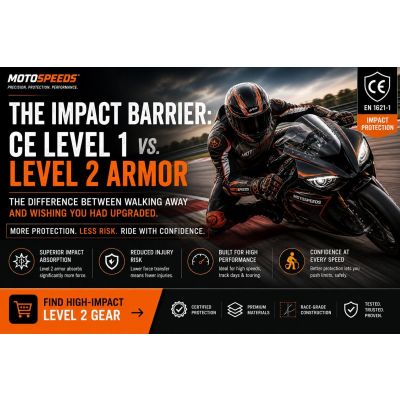
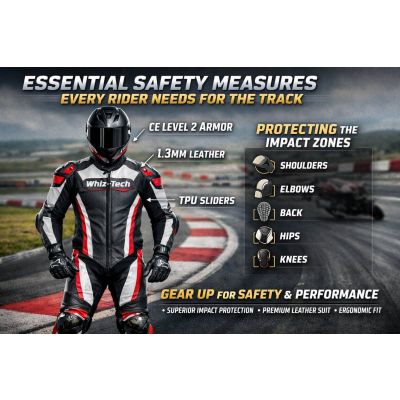
CE armor pads soak up the force of a hit. Level 1 is lighter, thinner and more comfortable, so it suits relaxed street riding. Level 2 is thicker and firmer and lets less force through, so many track...
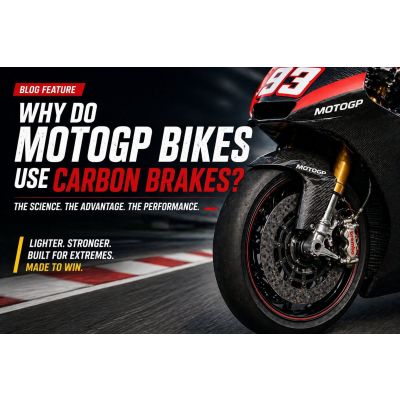
MotoGP bikes use carbon brakes because they are light and keep working at very high heat, with no fade. Riders can brake later and harder, lap after lap. Street bikes use steel brakes, since carbon...
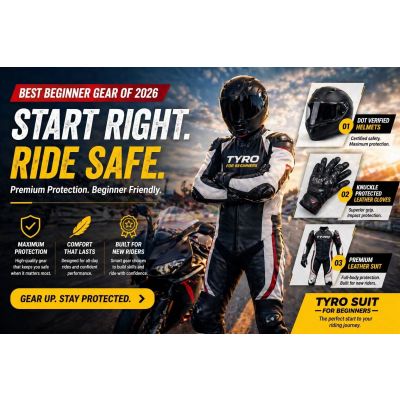
Your first suit does not need every extra. An entry-level suit gives basic cover in standard sizes. An upgraded suit adds CE armour at the shoulders, elbows and knees, more airflow and a closer race...
CE, SFI, FIA and Class AA are not the same test. CE is the European system, with Level 1 and Level 2 for armour and ratings for how well gear resists sliding. SFI is used mostly in North American...
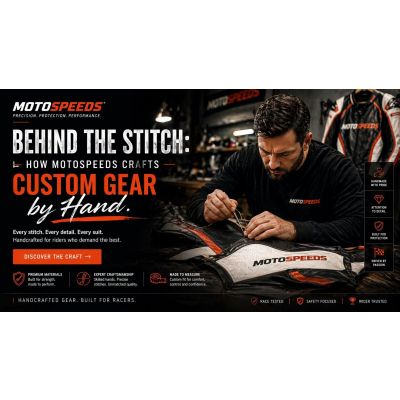
Each suit starts with your riding style and your measurements. A pattern is drawn from those numbers. Panels of cowhide or kangaroo leather are cut by hand and checked for thickness. Seams get double...
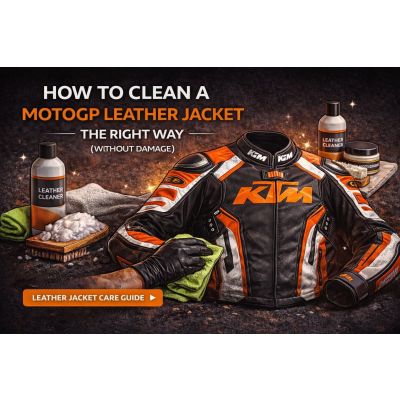
To clean a MotoGP leather jacket, wipe off dust with a soft cloth first. Then use a mild leather cleaner on a damp cloth, in small circles. Let the jacket air dry away from sun and heaters. Add a...
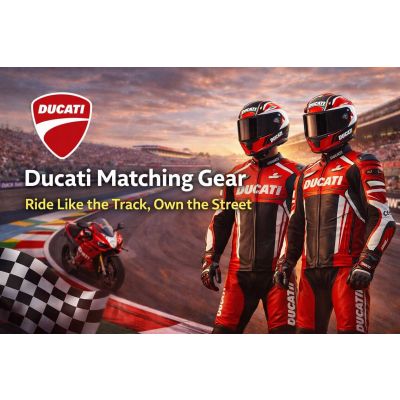
Ducati matching gear means a suit, jacket and pants made to work as one set. Parts that fit together move as one and leave fewer gaps between jacket and pants. The armor at the shoulders, elbows...
A simple track day gear checklist for riders. See what your race suit, back protector, gloves and boots need, how one-piece and two-piece suits compare for the track, what else to pack, and the quick...
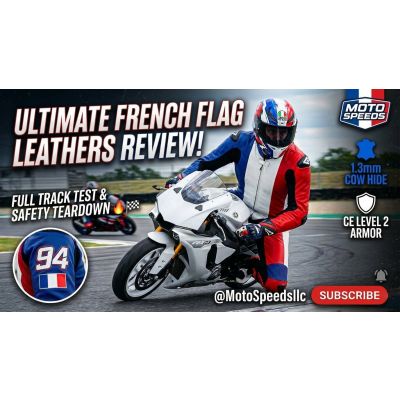
The French Flag suit comes in blue, white and red. It uses 1.3mm drum-dyed cowhide with CE Level 2 armour at the shoulders, elbows and knees. TPU sliders sit on the shoulders and elbows, and the knee...
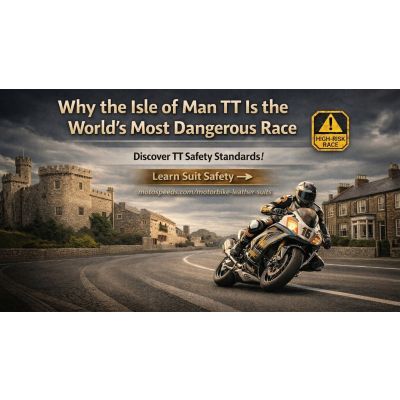
The Isle of Man TT runs on public roads closed for the race. The Snaefell Mountain Course is 37.73 miles long, with more than 200 corners. Riders pass stone walls, trees and houses at over 200 mph...
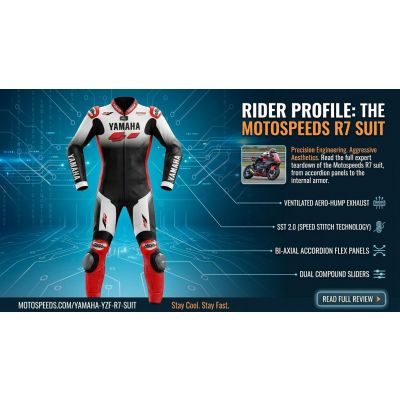
This suit is cut for the slim Yamaha YZF R7. Sleeves and legs are pre-curved for the tuck. The shell is 1.3mm drum-dyed cowhide with stretch panels at the crotch, underarms and knees. CE Level 2...
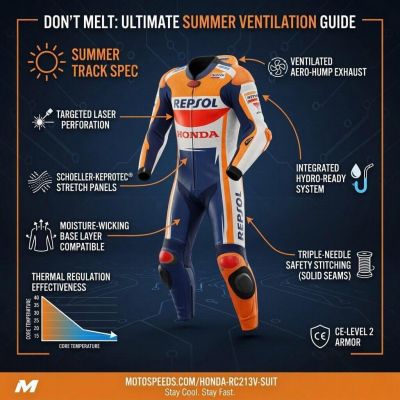
Heat on the track slows your thinking and can cause cramps. A vented leather suit helps. Small laser holes in the chest and thighs let air in. A vented hump on the back lets hot air out. Stretch...
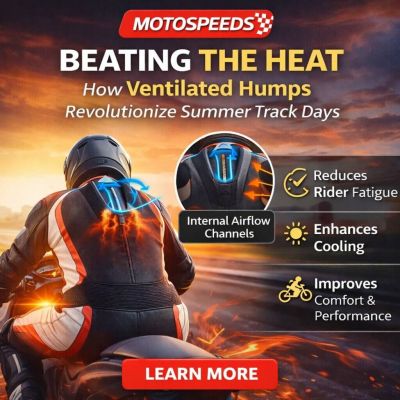
A ventilated hump is the raised part on the back of a race suit, with vents built in. At speed, air flows in through the vents. It moves through the lining and carries heat and sweat away from your...
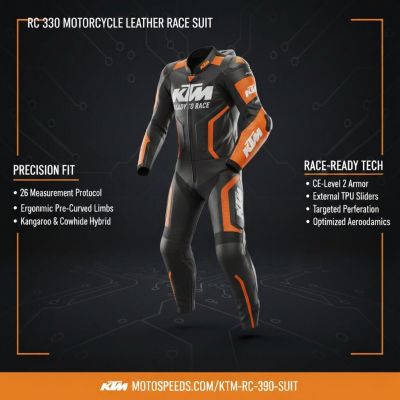
The KTM RC 390 puts you in a low, tucked position. A race suit for this bike has pre-curved arms and legs, so holding the tuck takes less effort. Cowhide covers the main slide zones, and stretch...