Custom Motorcycle Suit Guide: Fit, Armor, and Buying Tips
Choosing the right motorcycle gear means balancing fit, riding style, armor placement, and protective features—not just picking a suit that looks good. Many riders hesitate before ordering because they're unsure whether standard sizing will work, if custom sizing is worth it, or what features actually matter for their riding. This guide helps you make a clear buying decision by explaining what to check before ordering, how fit affects safety and comfort, and which gear type suits different riding needs.
Quick Buying Recommendation
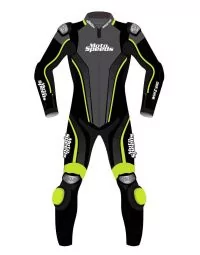
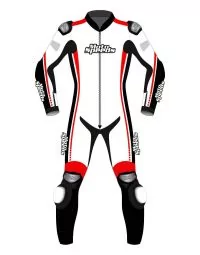
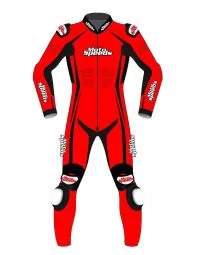
Track-day and sportbike riders benefit from a one-piece custom motorcycle suit when body measurements fall between standard sizes or when riding position fit is critical. Street riders and beginners may find a well-fitted two-piece suit more practical for mixed use. Standard sizing works when your measurements match the size chart. Custom sizing can improve fit when measurements are accurate and you want armor aligned with your specific body shape. Budget, riding frequency, comfort needs, and how often you'll wear the gear should guide your final choice.

Table of Contents
- Choose Gear Based on Your Riding Style
- Fit, Sizing, and Features to Check
- Safety, Comfort, and Movement
- Buying Mistakes and Why Consider MotoSpeeds
- Final Buying Guide and Next Steps
Choose Gear Based on Your Riding Style
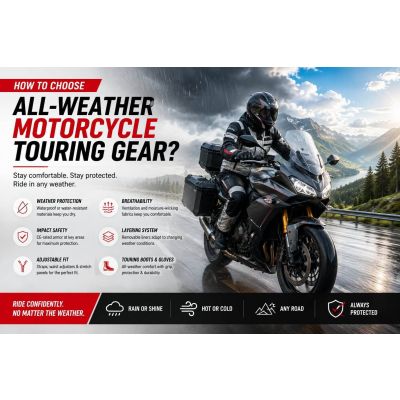
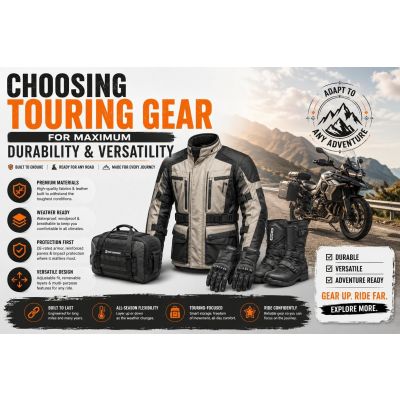
Different riding styles demand different gear priorities. Track-day riders need a secure, aggressive riding-position fit with strong material construction, aligned armor, and minimal movement during hard cornering. Sportbike riders often balance protection with comfort for mixed road and track use, so a suit that allows some movement while maintaining armor placement matters. Street riders prioritize ventilation, flexibility, and easier movement off the bike, making two-piece suits practical for urban and casual riding. Long-distance and touring riders need comfort for extended wear, breathable construction, and adjustable features for layering in changing weather. First-time buyers should focus on fit accuracy, armor coverage, construction quality, and sizing before choosing colors or logos. Riders upgrading from older gear should compare new armor standards, material improvements, and whether their previous size still fits their current body shape.
Fit, Sizing, and Features to Check
Fit is the foundation of both comfort and armor effectiveness. A suit that fits correctly in your riding position keeps armor aligned with your shoulders, elbows, back, hips, and knees. Too loose and armor can shift during riding or a crash. Too tight and the suit restricts movement, reduces comfort, and may cause you to wear it less often. Standard sizing works well when your body measurements match the size chart exactly. Custom sizing can help when measurements fall between sizes, when your body shape is non-standard, or when you want armor positioned specifically for your riding posture. Measurements should be taken carefully—chest around the fullest part, waist at natural center, inseam from crotch to ankle, and arm length from the back of the neck through shoulder to wrist.
One-piece suits are better suited for track-day and sport-focused riding because the jacket and pants stay connected as one garment, preventing separation during aggressive movement. Two-piece suits are practical for street riders because they are easier to remove, more flexible for mixed use, and allow you to wear the jacket without the pants in warmer weather. If you choose a two-piece suit, check that a full-connection zipper keeps the jacket and pants secure during riding.
Key features to evaluate before ordering include:
- Material: Cowhide leather offers good abrasion resistance and durability. Kangaroo leather, where available, provides lighter weight and higher abrasion resistance. Check the product details for leather grade and construction quality.
- Armor: Look for CE-certified armor in shoulders, elbows, back, hips, and knees where relevant to your riding style. Check whether armor is included or optional. Understand that armor placement depends on fit—loose gear can shift armor out of position.
- Construction: Reinforced stitching, sealed seams, and quality zippers reduce wear and tear. Look for multiple stitching lines on stress areas like shoulders and seams.
- Comfort: Stretch panels on the sides and back improve movement. Breathable lining helps on long rides. Ventilation options matter for summer riding.
- Compatibility: Check that gloves and boots work with your jacket cuffs and pant legs. For two-piece suits, verify the connection zipper is smooth and secure.
Riders ready to compare protective gear for track and road use can review
to find options built around fit, safety, and performance.Safety, Comfort, and Movement
Safety standards help you compare gear objectively. EN 17092 classifies whole motorcycle garments into classes AAA, AA, A, B, and C based on abrasion resistance, tear strength, and seam strength. This is not an armor impact standard—it measures the material and construction of the suit itself. EN 1621 applies to impact protectors. EN 1621-1 covers limb armor like shoulders, elbows, knees, and hips. EN 1621-2 covers back protectors. Both have Level 1 and Level 2 performance ratings, with Level 2 offering higher impact protection. A higher classification or level means the gear is designed to help reduce abrasion and impact risk, but certification does not guarantee injury prevention. Impact protection depends on armor type, fit, coverage, placement, and how the gear performs during actual riding use.
Comfort matters because uncomfortable gear may be worn less often or removed during rides, reducing protection. Ventilation, stretch panels, and breathable lining support longer rides without fatigue. Value should not be decided by price alone—it depends on fit, features, construction quality, armor options, customization support, and how well the gear matches your riding use. A lower-priced suit with poor fit or weak construction may not serve you as well as a higher-quality option that fits correctly and lasts longer.
Buying Mistakes and Why Consider MotoSpeeds
Common buying mistakes can lead to poor fit, wasted money, or gear that doesn't meet your needs:
- Choosing by design only: Pick gear based on fit, armor, and construction first. Colors and logos matter less than protection and comfort.
- Ignoring riding-position fit: Try the suit in your riding posture. Armor should align with your body when you're on the bike, not standing upright.
- Guessing size: Measure carefully. If measurements fall between sizes, ask for fit support before ordering instead of guessing.
- Ignoring armor placement: Loose gear shifts armor out of position. Armor must stay aligned during riding and crashes.
- Buying too loose for comfort: A loose suit feels comfortable standing still but allows armor movement during riding. Fit should be snug without restricting breathing or movement in your riding position.
- Buying too tight for style: Tight gear restricts movement, reduces comfort, and may cause you to remove it during rides.
- Ignoring gloves and boots compatibility: Check that your gloves fit under jacket cuffs and boots work with pant legs without bunching or gaps.
- Not checking product details: Read the full product description. Armor, materials, and features vary between products and customization options.
- Not checking return or custom order policy: Understand the policy before ordering, especially for custom sizing or made-to-order gear.
- Assuming every product has the same armor: Armor options, placement, and inclusion vary. Check each product's specifications.
- Not checking ventilation needs: Summer riding needs different ventilation than winter or track use. Choose based on your climate and riding season.
MotoSpeeds focuses on made-to-order motorcycle gear, custom sizing options, leather construction, protective armor options, reinforced stitching, and rider-focused fit details. The brand offers custom motorcycle racing suits, leather jackets, gloves, boots, and matching gear sets designed for both standard and custom sizing. MotoSpeeds supports buyers who are comparing fit and features before ordering by providing detailed product information, custom sizing options, and made-to-measure support.
Choosing MotoSpeeds makes sense if you want custom sizing support, made-to-measure options, matching gear sets, or detailed product information to help you compare protection, fit, and riding design before ordering. The brand's focus on custom sizing and rider-specific fit details can help reduce hesitation if your measurements fall between standard sizes or if you want armor positioned for your specific riding posture.
Final Buying Guide and Next Steps
Start by identifying your primary riding style—track-day, sportbike, street, touring, or mixed use. Choose the right product type: one-piece suits for track and sport riding, two-piece suits for street and casual riding. Measure your body carefully using a soft tape measure in a comfortable standing position. Compare your measurements against the size chart. If measurements match a standard size, standard sizing can work well. If measurements fall between sizes or you want custom fit, custom sizing may help with armor placement and comfort. Check the armor type, location, and whether it's included or optional. Review construction details like stitching, seams, zippers, and material quality. Consider comfort features like stretch panels, ventilation, and lining for your riding season. Compare product details across options before deciding. Choose matching gloves and boots if needed. Review the return or custom order policy before ordering. Contact support if measurements fall between sizes—don't guess.
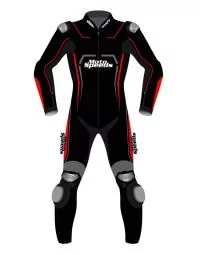
For buyers who want to review a real product example before ordering,
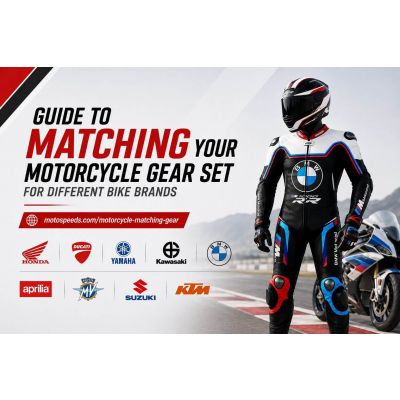
shows how protection, fit, and riding design can work together.Well-chosen motorcycle gear can help support comfort, armor placement, and protective coverage for your riding style. Take time to measure accurately, compare features, and choose based on fit and construction rather than appearance alone. Your matching motorcycle gear set should feel secure in your riding position, allow comfortable movement, and keep armor aligned where it matters most.
Frequently Asked Questions
Is custom motorcycle gear better than standard size gear?
Not always. Standard sizing works well when your measurements match the size chart exactly. Custom sizing can improve fit when measurements fall between sizes, when your body shape is non-standard, or when you want armor positioned for your specific riding posture. Custom sizing may help with comfort and armor placement, but it costs more and takes longer to deliver. Choose based on your measurements, body shape, comfort needs, and budget—not because custom is automatically better.
Should I choose a one-piece or two-piece motorcycle racing suit?
One-piece suits are better for track-day and sport riding because the jacket and pants stay connected, preventing separation during aggressive movement. Two-piece suits are practical for street and casual riding because they're easier to remove, more flexible for mixed use, and allow wearing the jacket alone in warmer weather. Choose based on your primary riding style, how often you'll wear the gear, and whether you need flexibility for different weather conditions.
How tight should motorcycle gear fit?
Motorcycle gear should fit snug without restricting breathing or movement in your riding position. When you're on the bike in your typical riding posture, armor should align with your shoulders, elbows, back, hips, and knees. The suit should not shift or move during cornering or hard braking. Standing upright, the suit may feel tight, but this is normal—the fit is designed for your riding position, not standing still. If the suit restricts your breathing or prevents normal arm movement on the bike, it's too tight.
What armor should I check before ordering?
Check whether armor is included or optional in your chosen product. Look for CE-certified armor in shoulders, elbows, back, hips, and knees. Understand the armor type—some products include basic armor while others offer upgraded or optional armor packages. Verify that armor placement matches your riding style. Track riders may prioritize back and hip armor, while street riders may focus on shoulders and elbows. Always confirm armor details in the product description before ordering.
What should I do if my measurements are between two sizes?
Contact support before ordering. Explain your measurements and riding style. Ask whether standard sizing in one direction (length or width) would work better, or whether custom sizing would improve fit and armor placement. Don't guess between sizes—a poor fit can reduce comfort and affect armor placement. Support can help you choose the better option based on your specific measurements and riding needs.