Be Seen, Stay Organized: Essential Urban Gear Features for Motorcycle Commuters
Urban riding demands more from your motorcycle gear than track use alone. City streets bring slower speeds, frequent stops, and constant visibility challenges. Reflectivity and storage are two critical features that help riders stay visible to traffic and carry essentials without leaving the bike. Understanding how these urban gear features work together can help you make safer, smarter gear choices for commuting and city riding.
Quick Answer
Urban gear features like reflective panels and storage pockets are designed to support city riding safety and practicality. Reflectivity helps other drivers notice you earlier in low-light conditions, while smart storage keeps your phone, keys, and documents accessible without adding bulk. These features work best when combined with proper fit, good riding posture, and awareness of your surroundings. No single gear feature removes all crash risk, but thoughtful design can help reduce common urban riding challenges.
Table of Contents
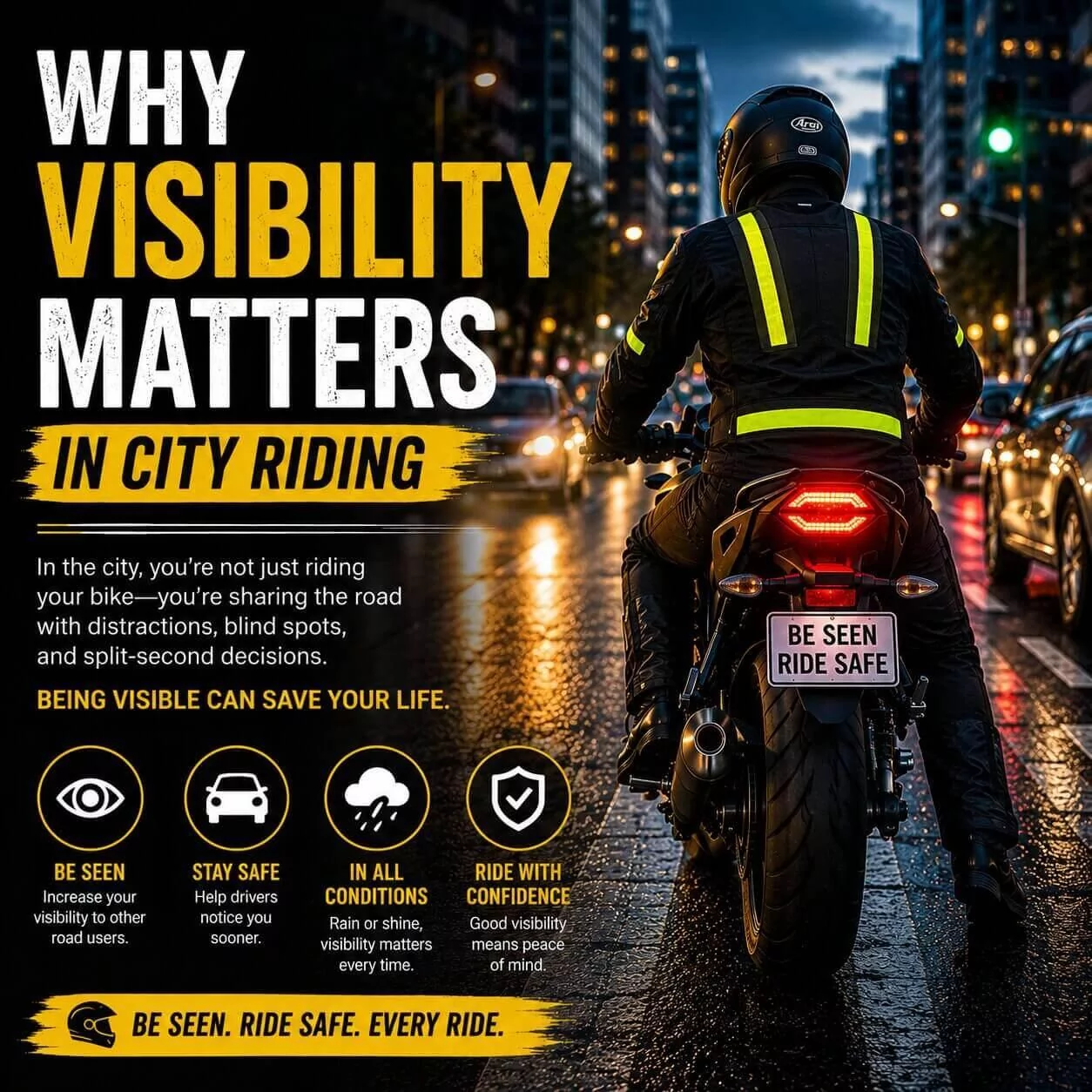
Why Visibility Matters in City Riding
City riding exposes you to hazards that track riding rarely presents. Drivers change lanes without checking mirrors. Pedestrians step into crosswalks distracted by phones. Other riders merge without signaling. In these moments, being seen first can mean the difference between a close call and a collision.
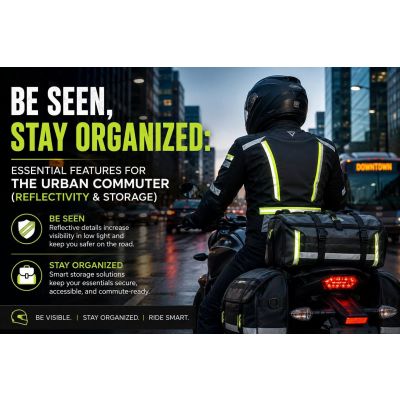
Urban gear features like reflective panels are designed to make you more visible during dawn, dusk, and night riding. Unlike track riding, where you're the only vehicle on a closed course, city streets demand constant attention from other road users. Reflectivity supports this by catching headlights and streetlights, making your silhouette clearer to drivers who might otherwise miss you.
Reflective gear is not a substitute for defensive riding, lights, or awareness. It is one layer of a larger safety strategy. A rider wearing highly reflective gear who fails to check blind spots or ride predictably is still at risk. Visibility is most effective when combined with good riding habits, proper lighting on your motorcycle, and staying alert to traffic patterns.
How Reflectivity Works on Motorcycle Gear
Reflective materials work by bouncing light back toward its source. When a car's headlights hit reflective panels on your jacket, gloves, or suit, that light returns to the driver's eyes, making you stand out against the dark background of the road. This is different from high-visibility colors like neon yellow, which are visible because they absorb and re-emit light during the day.
Reflective panels are most effective at night and in low-light conditions. They perform best when positioned on areas that move during riding, such as shoulders, arms, and legs. This movement makes the reflective patches catch more light from different angles as you ride. Panels on your back and sides are also valuable because they help drivers behind you and in adjacent lanes see you more easily.
Quality reflective materials maintain their effectiveness for extended periods, but they can degrade over time with washing, sun exposure, and regular wear. Check your gear's care label for washing instructions. Some reflective finishes require gentle handling to stay bright. Over time, reflective patches may need replacement or gear may need upgrade to maintain visibility performance.
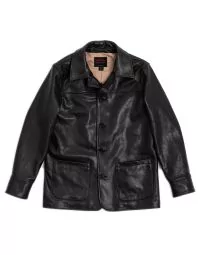
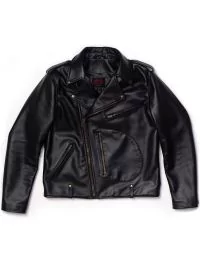
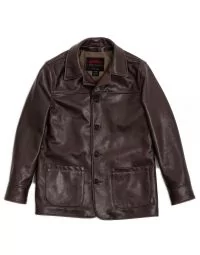
Riders who want to compare related MotoSpeeds protective gear can explore
for options built around fit, protection, and riding use.Smart Storage: Solving Practical Urban Needs
Urban commuting creates practical demands that track gear doesn't need to solve. You need somewhere to carry your phone, wallet, keys, and maybe a small lock or rain gear. Poor storage forces you to choose between uncomfortable bulges in your pockets, backpack weight that shifts your balance, or leaving essentials behind.
Purpose-built storage pockets in motorcycle jackets and suits solve this by positioning pockets where they don't interfere with protective armor, don't shift during riding, and don't create pressure points against your body. A well-designed phone pocket sits on your chest where you can feel it, not on your hip where it might press against your ribs during a crash. Glove pockets stay accessible without requiring you to unzip large panels.
Storage placement matters for both comfort and safety. Pockets positioned over impact zones (shoulders, elbows, chest) must not contain hard objects that could create pressure points during a crash. Pockets that sit away from these zones offer more flexibility. Check where each pocket is located and what you plan to carry. A small key holder inside a glove pocket is safer than carrying keys in a jacket pocket over your ribs.
Waterproof or water-resistant pockets are valuable for urban riders who face rain and wet roads. Some jackets include sealed pockets with zippers designed to keep moisture out. Others have mesh-lined pockets that drain quickly. Know your gear's water resistance rating and check the product details to understand which pockets offer which level of protection.
Fit, Comfort, and Protection Work Together
Urban gear features only work when your jacket or suit fits properly. A reflective panel that shifts during riding loses effectiveness. A storage pocket that creates a pressure point becomes a distraction rather than a solution. Comfort and protection are not separate from urban features—they are essential to how those features perform.
Proper fit means your gear stays in place during normal riding, braking, and turning. Your shoulders should move freely without the jacket bunching up. Sleeves should reach your wrists without excess fabric. Your chest and torso should feel snug but not restrictive. When you bend forward into your riding position, the jacket should move with you, not ride up your back or pull at your shoulders.
Storage pockets should be accessible while wearing gloves. Zippers should be large enough to grip. Pockets should not create uncomfortable lumps against your body. Test gear in your actual riding position before committing to a purchase. Sit on a motorcycle or stationary bike and move through your normal range of motion. Reach for pockets. Check that reflective panels sit flat and don't shift.
Custom sizing helps riders achieve this fit. Standard sizes work for many riders, but custom-fitted gear ensures that reflective panels align with your body, pockets sit where you need them, and protection stays correctly positioned. Riders with longer arms, shorter torsos, or broader shoulders often find custom gear offers better comfort and protection than standard sizes.
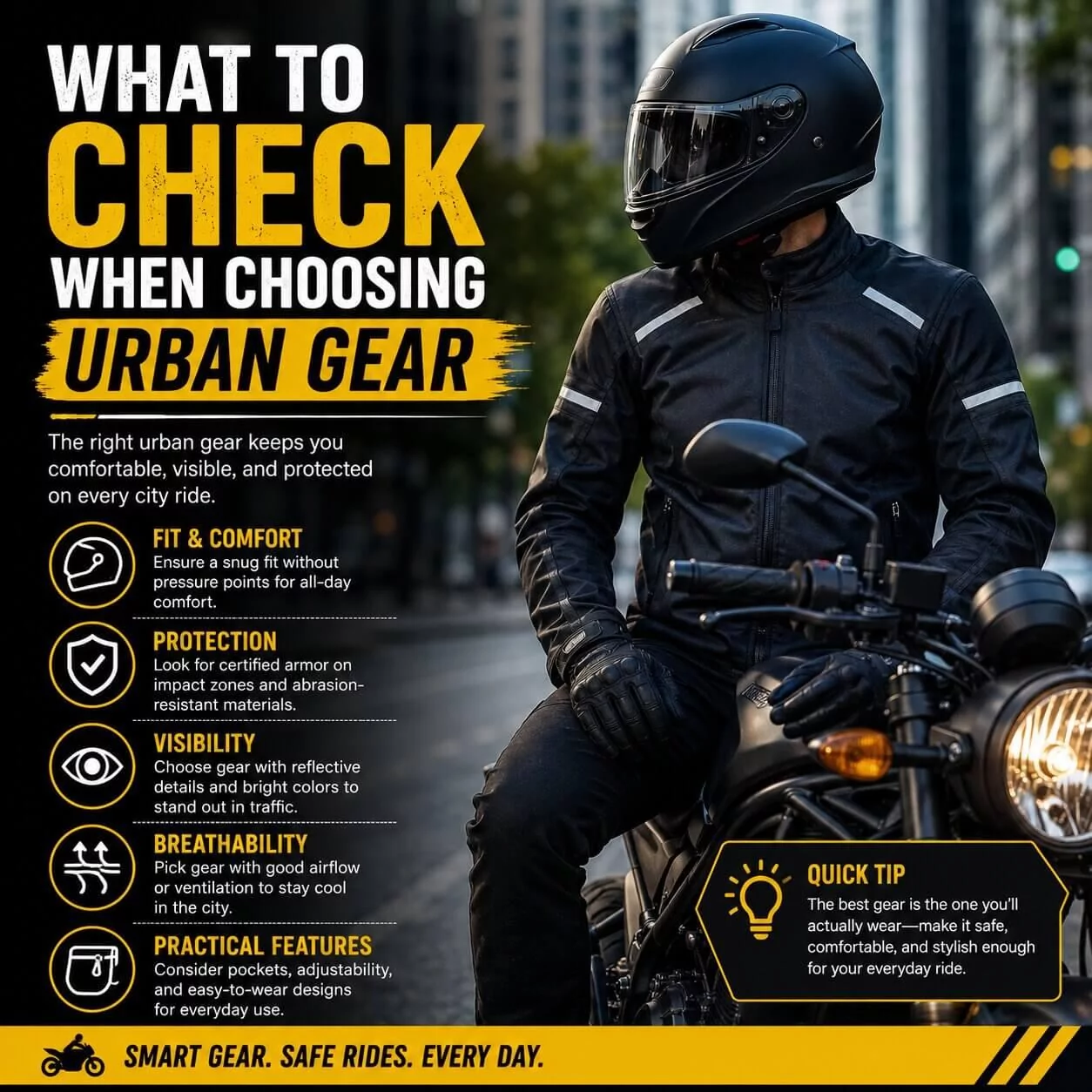
What to Check When Choosing Urban Gear
When evaluating urban gear features, look beyond marketing claims. Check the actual construction and placement of reflective materials. Are panels positioned on moving parts of your body? Do they cover enough surface area to be visible from multiple angles? Read product descriptions and check photos to see real reflective coverage.
Examine storage placement carefully. Count the pockets and note their locations. Consider what you actually carry on a daily commute. A jacket with five pockets is not useful if three are positioned over impact zones or in places you can't reach while riding. Look for pockets designed specifically for phones, keys, or documents rather than generic pockets.
Check the material construction around pockets. Reinforced stitching and quality zippers matter because pockets experience repeated stress from opening, closing, and carrying weight. Cheap zippers fail quickly. Weak stitching around pocket openings can tear under load. Read reviews or check product details for durability information.
Verify water resistance if you ride in wet conditions. Not all jackets with storage pockets are waterproof. Some have sealed pockets while others have open designs. Know the difference before you buy. Check the product care label and manufacturer documentation for exact water resistance ratings and care instructions.
Common Mistakes Urban Riders Make
Many riders buy gear with reflective panels but then fail to maintain them. Washing gear incorrectly, exposing it to direct sunlight, or storing it in hot conditions can degrade reflective materials faster than normal wear. Follow the care label instructions to keep reflectivity effective over time.
Another common mistake is overloading storage pockets. Carrying too much weight in one pocket creates an imbalance that affects your riding position and comfort. It can also create pressure points if the pocket sits near armor. Distribute weight evenly across multiple pockets and avoid carrying heavy items in gear pockets designed for light essentials.
Some riders choose gear based on reflectivity alone, ignoring fit and comfort. A jacket with excellent reflective coverage that doesn't fit properly will shift during riding, making those reflective panels less effective. Fit must come first. Reflectivity and storage are features that enhance well-fitting gear, not replacements for proper sizing.
Urban riders sometimes assume storage pockets eliminate the need for proper riding posture and awareness. No amount of convenient pockets changes the fact that you must stay alert to traffic, maintain control of your motorcycle, and ride defensively. Gear features support safe riding—they do not replace it.
Frequently Asked Questions
How much reflectivity do I need for safe city riding?
There is no single "correct" amount of reflectivity that works for every rider and every city. More reflective coverage generally helps, but placement matters as much as total area. Panels on your shoulders, arms, back, and legs are more effective than panels on your front because drivers see you best from behind and the sides. Start with gear that has reflective panels on moving parts of your body, and consider upgrading to jackets with more coverage if you ride frequently in darkness or low-light conditions.
Can reflective gear replace lights on my motorcycle?
No. Motorcycle lights are active light sources that work in all conditions. Reflective gear is passive—it only bounces existing light back to other drivers. Both matter. Lights help you see the road and help drivers see your motorcycle. Reflective gear makes you more visible when lights catch it. Together, they support better visibility than either alone. Always maintain proper motorcycle lighting regardless of how reflective your gear is.
What should I carry in motorcycle gear pockets?
Carry light essentials: phone, keys, wallet, ID, and maybe a small tool or rain layer. Avoid heavy items that create weight imbalances or pressure points over impact zones. Keep pockets organized so you know what you're carrying and where. Test pocket access while wearing gloves before your first ride. Remove items before storing gear to prevent stretching pockets or damaging contents.
Do reflective materials fade over time?
Yes. Reflective finishes degrade with sun exposure, washing, and normal wear. High-quality reflective materials last longer than budget options, but all reflective gear loses some brightness over time. Follow care label instructions and store gear out of direct sunlight to slow degradation. If reflective panels become noticeably dull, consider replacing the gear or having panels professionally refreshed if that service is available.
Is custom-fitted gear worth the cost for urban commuting?
Custom fitting is most valuable for riders with non-standard body proportions or those who ride frequently in challenging conditions. If standard sizes fit you well, custom gear may not be necessary. However, custom sizing ensures reflective panels align with your body, pockets sit in accessible locations, and protection stays correctly positioned. For riders who commute daily and want optimized fit, custom gear can improve both safety and comfort.
How do I know if a pocket is waterproof?
Check the product description and care label for water resistance ratings. Some pockets are sealed with waterproof zippers and internal barriers. Others are open designs that drain quickly but don't keep contents dry. Read the manufacturer's documentation carefully. If the product doesn't specify water resistance for a particular pocket, assume it offers minimal water protection and plan accordingly.
Can I add reflective patches to gear I already own?
Yes, adhesive-backed reflective patches can be added to existing jackets and suits. However, quality matters. Professional-grade patches adhere better and last longer than cheap alternatives. Consider having patches applied by a gear specialist if you're unsure about application. Test durability by washing the gear gently after application to ensure patches stay secure. Patches are a practical way to increase reflectivity on gear you already own.
Final Thoughts
Urban gear features like reflectivity and storage are designed to support safer, more practical city riding. Reflective panels help other drivers notice you earlier in low-light conditions. Smart storage pockets let you carry essentials without compromising comfort or protection. Together, these features address real challenges that urban commuters face every day.
The most effective urban gear features work because they are built into well-fitting, durable jackets and suits that support your riding position and protect impact zones. Reflectivity matters only if your gear stays in place. Storage is useful only if pockets are accessible and don't create pressure points. Fit and comfort are the foundation that makes all other features work.
When choosing urban gear, prioritize fit first, then evaluate reflectivity placement and storage design. Test gear in your actual riding position. Check care labels and product details to understand durability and maintenance. Consider custom sizing if standard sizes don't fit you well. Combine good gear with defensive riding, proper lighting, and awareness to build a safer urban riding strategy.
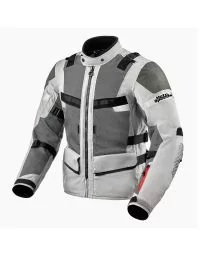
For riders comparing a real gear example,
shows how construction, fit, and protective features can work together.