How do you choose motorcycle touring pants for long rides? Learn what CE Level 1 and Level 2 armor means, what 750D Cordura is, and how a thermal liner differs from a waterproof liner. See how vents...
Summer motorcycle gloves need a way for air to get in and out. Learn how knuckle vents work, how vents differ from perforation, why thin cowhide and a snug fit matter when hands sweat, and which...
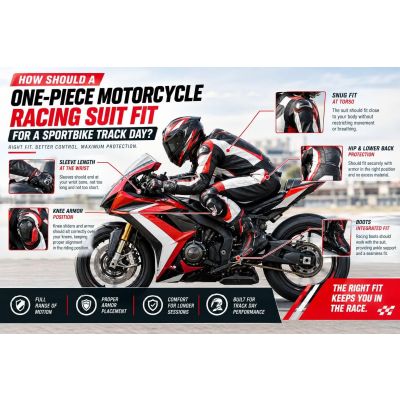
How to choose a motorcycle race suit in five checks: the leather, the CE armor and back protector, the knee sliders and seams, the fit in the riding tuck, and one-piece or two-piece style. Then match...
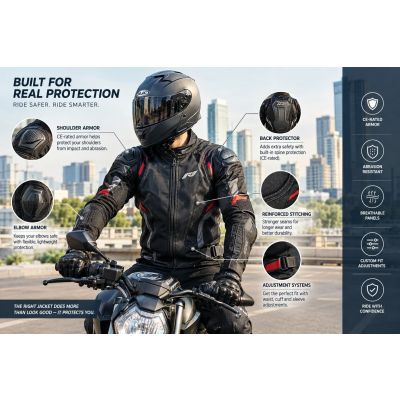
How do you choose a textile motorcycle jacket for touring? Use a simple checklist. Check the CE armor level at each spot, the D number of the shell fabric, the liners and the vents. Then look at...
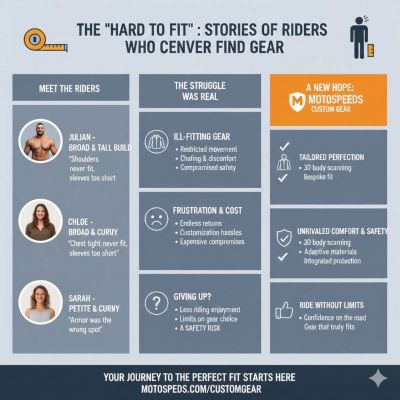
Choose a protective motorcycle jacket by fit, armor placement, and construction. Learn whether standard or custom sizing suits your body, what features matter for commuting, and how to avoid common...
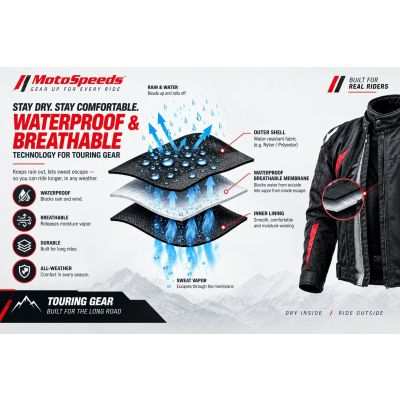
Waterproof breathable membranes sit between the outer shell and the inner lining of touring gear. Tiny pores or a special coating let sweat vapor out, while rain and wind stay outside. This keeps you...
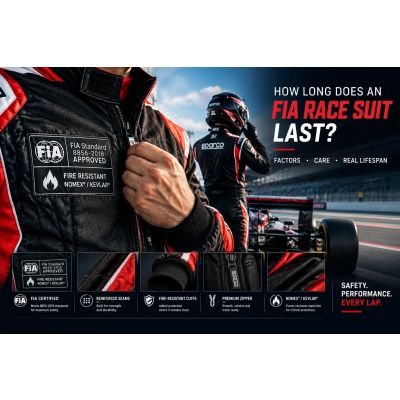
An FIA race suit can last several years if you inspect it often, follow the care label and keep it clean and dry. Your event rules may still set an expiry date. Check the label, seams, cuffs and zips...
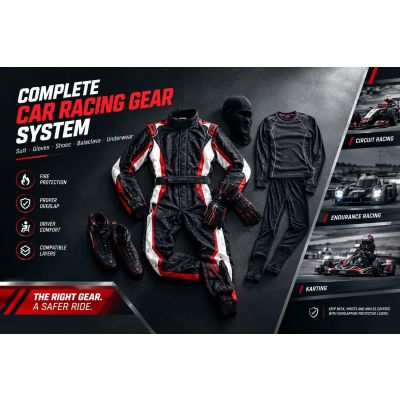
Your type of racing shapes the gear you need. Formula 1 drivers wear multi-layer suits with FIA labels. Track day and club drivers often pick SFI suits with one or two layers. Kart drivers want light...
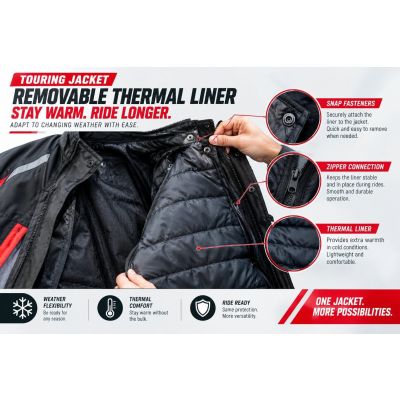
A removable liner is a warm or weather layer that fits inside a touring jacket. Snaps are quick to use. Zippers hold the liner tight and seal well. Hook-and-loop is simple but can lose grip with...
How should a motorcycle race suit fit? Snug when you stand and comfortable in the riding crouch. This checklist walks through each area: armor on the shoulders, elbows and knees, sleeve and leg...
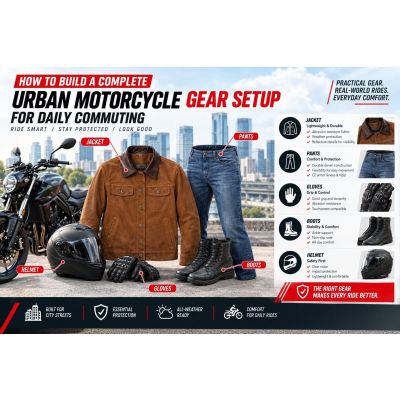
A good daily commute setup has four parts: a jacket, gloves, boots and pants or riding jeans. Pick each one for scrape resistance, a snug fit and comfort in stop and go traffic. Match the gear to...
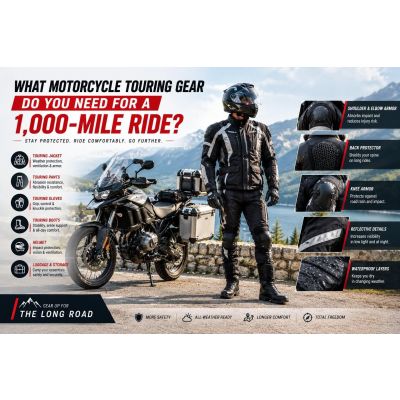
A 1,000-mile ride can mean eight to sixteen hours a day on the bike. Your gear has to guard you in a slide and still feel good at fuel stops. Look for CE armor at the shoulders, elbows, knees and...
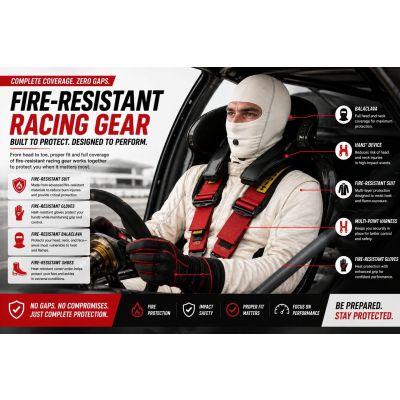
Your suit, gloves, shoes and balaclava must work with the harness and HANS device. The suit should lie flat across the shoulders and chest where the belts sit. Gloves should overlap the cuffs. Shoes...
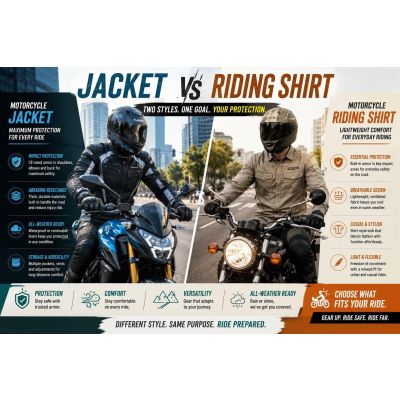
A motorcycle jacket is your main layer of protection. It covers your shoulders, arms, chest and back, and it keeps armor in place. A riding shirt is lighter and easier to wear off the bike, but it...
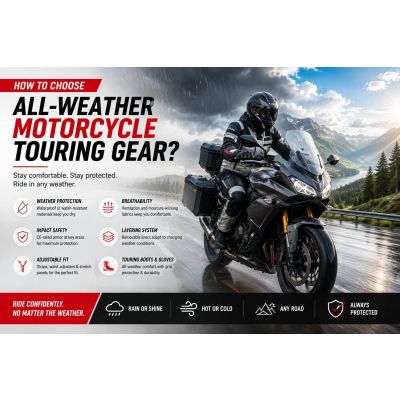
Touring riders face rain, wind and heat on the same trip. Good all-weather gear needs vents, a water-resistant lining and room to move. Fit comes first, since armor must stay on your shoulders...